
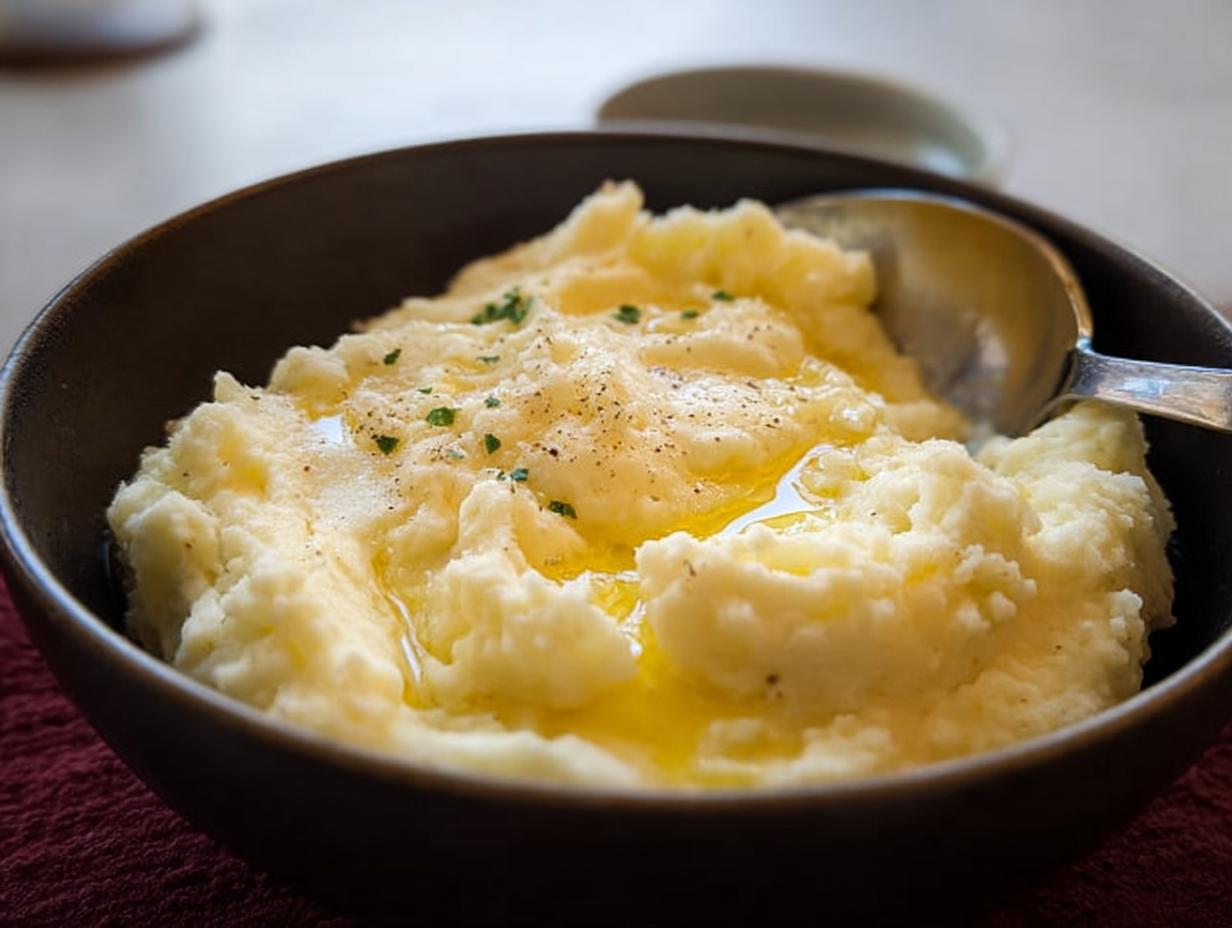
Oh, mashed potatoes! Is there anything more comforting than a big, fluffy bowl of them? They’re the ultimate side dish, right? They go with everything from Sunday roasts to a simple weeknight grilled cheese. But sometimes, making them perfectly can feel a bit tricky, especially if you’ve got picky eaters or dietary needs to consider. That’s exactly why I put together The Ultimate Mashed Potatoes Recipes Guide for Beginners! When my son started having some dietary restrictions, I knew I had to get creative. What I found was that mashed potatoes could be delicious and safe for *everyone*, and that passion for inclusive cooking is at the heart of this guide.
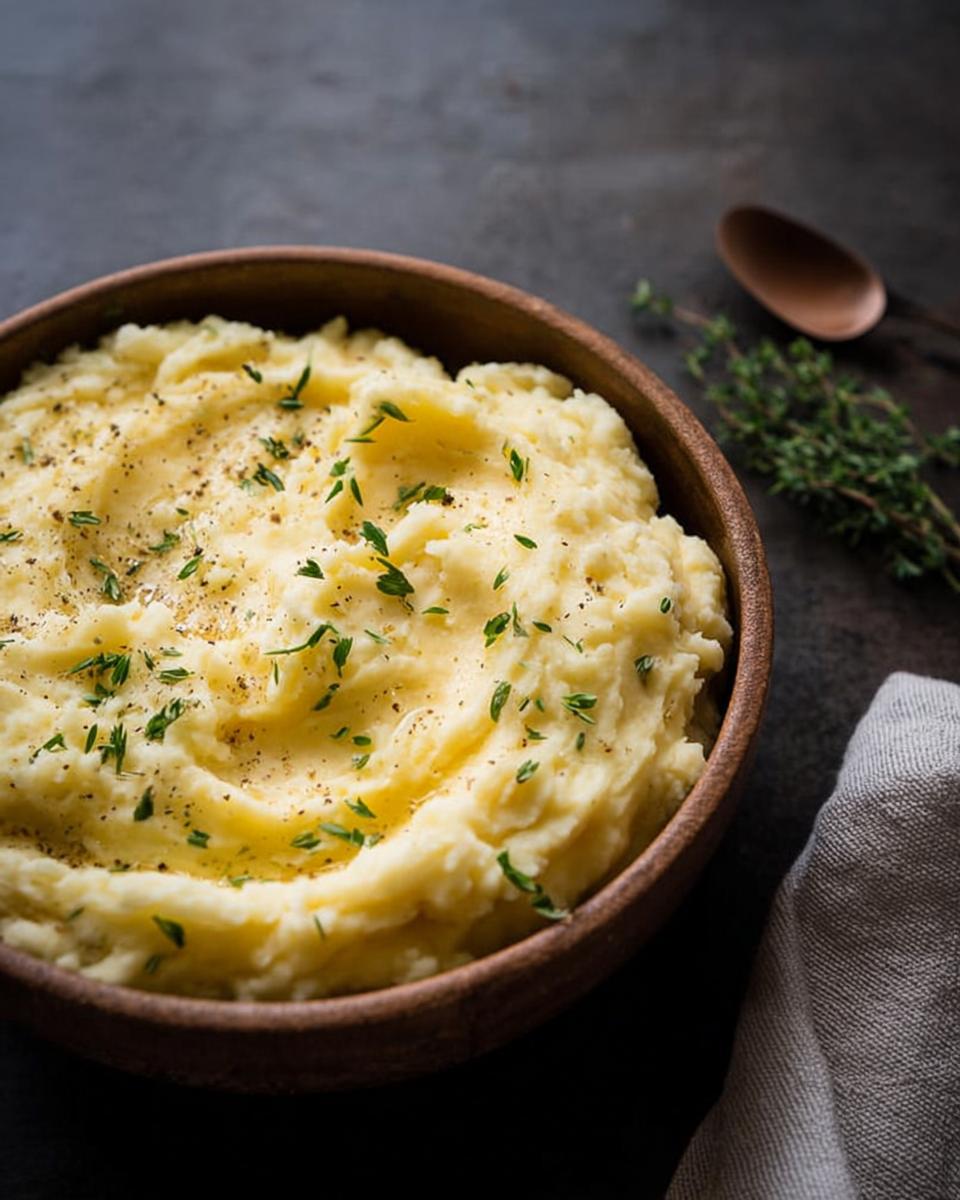
Why This The Ultimate Mashed Potatoes Recipes Guide for Beginners Will Be Your Go-To
Okay, so why should you trust me with your mash? Glad you asked! This guide is built for YOU, the beginner cook who just wants amazing mashed potatoes without the fuss. Here’s what makes it special:
- Super Simple Steps: No fancy chef jargon here! I break everything down so you can follow along easily, even if you’ve never peeled a potato before.
- Foolproof Results: We’re talking fluffy, creamy, melt-in-your-mouth goodness every single time. No more gluey or watery disappointments!
- Dietary Friendly: Remember my son? I know how important it is to have options. This guide shows you how to tweak the recipe for gluten-free, low-carb, or dairy-free diets without losing that amazing flavor.
- Endless Possibilities: Once you nail the basics, you’ll be ready to jazz them up with all sorts of yummy additions. Get ready to impress!
Essential Ingredients for Perfect Mashed Potatoes
Alright, let’s talk about what you’ll need to make these taters absolutely sing! For the best results, especially if you’re just starting out, using good quality ingredients makes a world of difference. Don’t worry, it’s all super straightforward. Here’s the rundown:
For Boiling the Potatoes
This is where it all begins, the foundation of your fluffy masterpiece!
- 2 pounds yellow potatoes: These are my absolute go-to! Think Yukon Golds or Butter potatoes. They have a lovely creamy texture and rich flavor that just screams comfort.
- 1 Tablespoon Kosher salt: This might seem like a lot, but it’s key for actually flavoring the potatoes from the inside out as they boil. Remember, you can adjust this later based on how salty you like things!
For Mashing the Potatoes
Now for the creamy, dreamy part that turns boiled potatoes into pure magic.
- 2 ounces unsalted butter: Go for a good quality one if you can! It really does add a richer flavor. I love brands like Kerrygold or Vermont Creamery.
- 1/2 cup half and half: This gives you that perfect balance of creaminess without being too heavy. You can always add a bit more if you like them runnier.
- 1/2 teaspoon fresh ground black pepper: Freshly ground is a must for that little pop of spice!
- 1/2 teaspoon Kosher salt: Again, this is just a starting point. Taste and add more if needed!
For Garnishing the Potatoes (Optional)
This is totally optional, but oh-so-worth-it for that extra touch of yum!
- 1 Tablespoon unsalted butter, melted: Just a little drizzle of melted goodness.
- 2 teaspoons fresh chopped chives: They add a lovely mild oniony flavor and a pop of pretty green color.
- Pinch of fresh cracked black pepper: Because more pepper is always good, right?
- Pinch of flaky sea salt: Like Maldon or Jacobsen. It adds a delightful little crunch and a final burst of saltiness.
Mastering the Art: Step-by-Step Mashed Potatoes
Okay, so now that we’ve got our star ingredients ready, let’s get mashing! Learning how to make perfect mashed potatoes is a skill every kitchen should have under its belt, and honestly, it’s easier than you think. We’re going to go through this step-by-step, and I’ll share all my little tricks to make sure you get that dreamy, fluffy texture every single time. This is the heart of The Ultimate Mashed Potatoes Recipes Guide for Beginners!
First things first, let’s prep those potatoes. You can peel them if you like that smooth finish, or leave the skins on for a more rustic vibe and extra fiber! Then, chop them into roughly equal-sized pieces, about 2.5 inches is good. Pop these into a big saucepan. Now, cover them with cold water – usually about 6 to 8 cups, depending on your pot size. This is a little tip that helps them cook evenly! You can totally do this a few hours ahead; just cover the pot and keep it in the fridge, and the cold water stops them from turning brown.
Next up, let’s get them cooking! Add a good tablespoon of Kosher salt to that cold water. Don’t shy away from the salt here; it’s what seasons the potatoes from the inside out! Cover the pot and crank up the heat to medium or medium-high. We want to bring it to a gentle boil, about 25 to 30 minutes. How do you know they’re done? Easy! Just poke a potato piece with a fork or a knife. If it slides in with no resistance, they’re ready! If not, give ’em another 3-4 minutes. Once they’re tender, drain all that water out and put the empty pot back on the stove. We’re going to use that warm pot to help dry out the potatoes a little – it’s a pro move for fluffy mash!
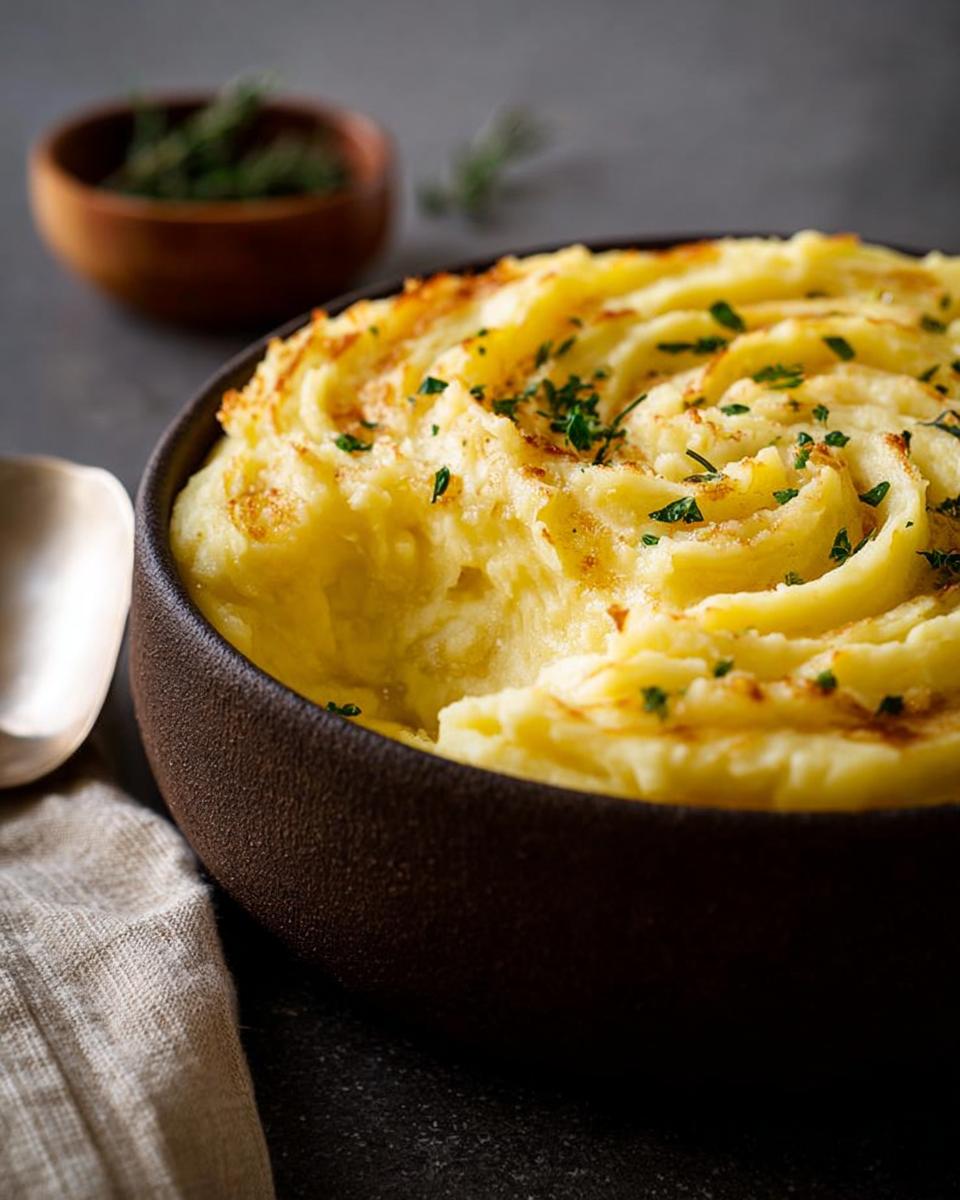
Now for the magic! Put the pot back on the stove over low heat. Add your butter, that lovely half and half, your ½ teaspoon of salt and pepper. Give it a quick stir just to combine and let it get gently warm, like a low simmer. Then, turn off the heat. Toss those drained potatoes back into this warm, buttery mixture. Time to mash! Use a potato masher – be gentle! We don’t want to overwork them into a gummy mess. Just get them to your desired consistency. Gently fold everything together until it’s beautifully combined. Give it a taste and add more salt or pepper if you think it needs it. That’s it! Spoon your fluffy, glorious mashed potatoes into a serving bowl. You can even make little swirls on top with your spoon for a fancy touch! Drizzle with a little extra melted butter, sprinkle on some fresh chives, maybe a crack of pepper and some flaky sea salt if you’re feeling fancy. Serve them up hot and enjoy the yum factor!
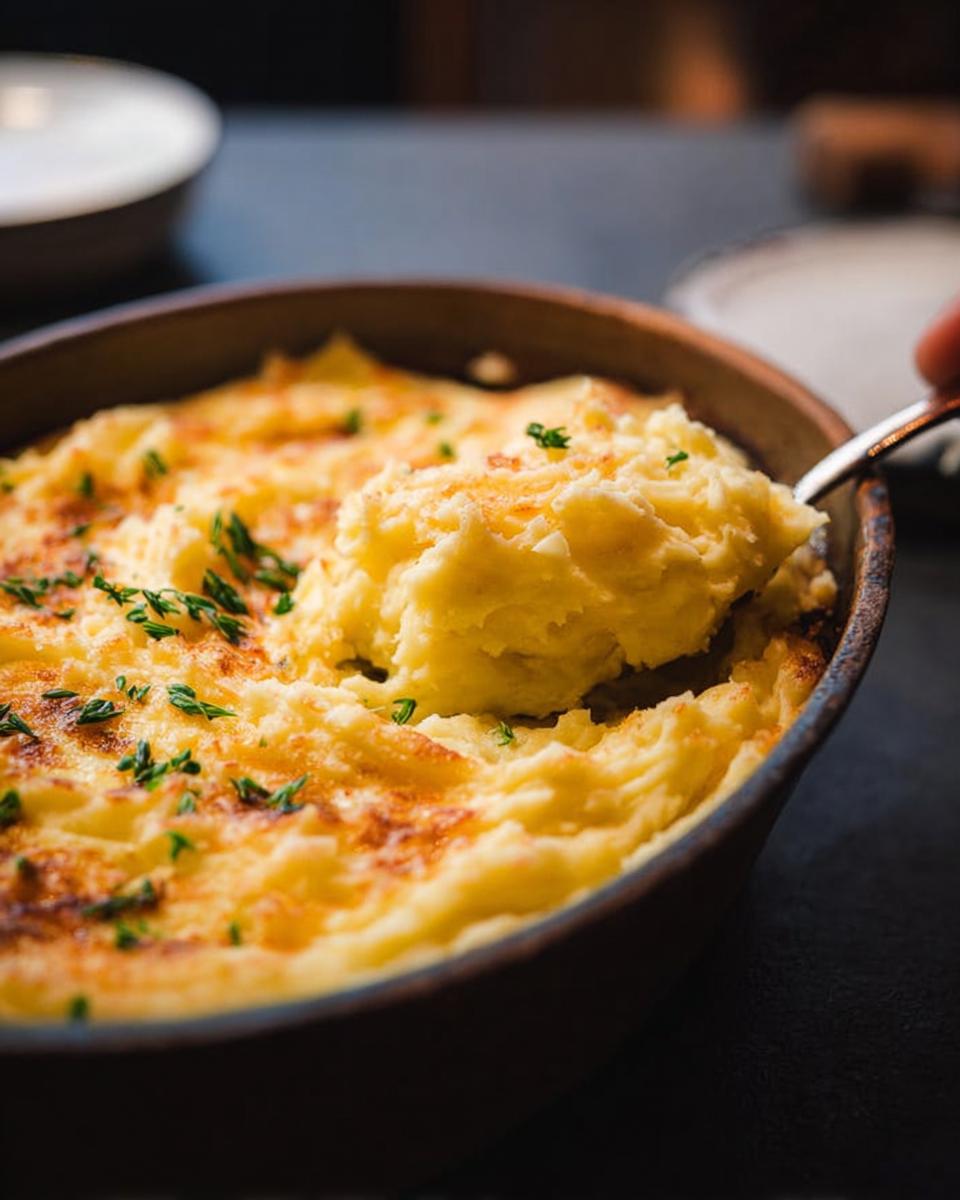
For more make-ahead mashed potato magic, check out this great tip on making them ahead! And if you want to see another amazing version, you have to check out this ultimate recipe.
Tips for The Ultimate Mashed Potatoes Recipes Guide for Beginners
Alright, my fellow kitchen adventurers, let’s dive into some pro tips that will really elevate your mash game. These little nuggets of wisdom are what take your potatoes from “good” to “OH MY GOSH, THIS IS AMAZING!” and really make this guide your ultimate resource. Trust me, avoiding a few common slip-ups makes all the difference!
Potato Perfection: Choosing the Right Spud
Not all potatoes are created equal, my friends! For the fluffiest, most glorious mash, you really want to go for starchy or all-purpose potatoes. Yukon Golds (what I used in the main recipe!) are fantastic because they’re buttery and creamy. Russets are another great choice, super starchy, which means super fluffy. Avoid waxy potatoes like red or new potatoes; they tend to get gummy. Just remember, the right potato is the secret ingredient!
Mashing Methods: Don’t Overdo It!
This is a big one! The biggest mistake beginners make is over-mashing. When you work those potatoes too much, especially with a food processor or electric mixer, they release too much starch and turn into a gluey, sticky mess. Yuck! A good old-fashioned potato masher is your best friend here. Or, if you want super smooth potatoes, a potato ricer or a food mill is the way to go. Just give them enough love to break down, but stop before they get weirdly elastic.
The Dampness Dilemma: Getting the Consistency Just Right
Sometimes, your mash might feel a little too dry, or maybe a bit too wet. It’s all about adjusting! If they’re too dry, add a little more warm half-and-half or milk, a tablespoon at a time, until it’s perfect. If they seem a bit too wet, don’t panic! You can gently warm the mash in the pot over low heat for a few minutes, stirring constantly, to let some of the moisture evaporate. It’s all about that creamy, dreamy texture!
Want to try a totally different style? These crispy smash potatoes are another fun way to go!
Ingredient Notes and Substitutions for Mashed Potatoes
Okay, let’s chat about the stars of our potato show! Knowing why we use certain ingredients and what you can swap in if needed is super helpful, especially when you’re trying to make amazing mash that fits everyone’s needs. It’s all about making this recipe your own!
About Those Yellow Potatoes
Yellow potatoes, like Yukon Golds, are my absolute fav for mash because they have a beautiful, buttery flavor and a lovely creamy texture when cooked. They’re not too starchy, so you avoid that gluey disaster, but they’re starchy enough to get wonderfully fluffy. If you can’t find yellow potatoes, russets are a great second choice – they’re super starchy and will give you a really light mash, though maybe a little less creamy. Just steer clear of waxy potatoes like red or new potatoes; they just don’t break down the same way.
Dairy-Free & Vegan Swaps
Living with dietary restrictions means getting creative, right? For the butter, you can easily use a good quality vegan butter stick. They work just like the real thing and add that essential richness. Instead of half-and-half, try using unsweetened, plain plant-based milk like almond, soy, or oat milk. You might need to add just a splash more to get the perfect creaminess, but it works like a charm! For a richer flavor, some unsweetened cashew or coconut cream (the thick part from a can) can be amazing.
Salt Savvy
I always recommend Kosher salt for boiling because its larger flakes make it easy to measure and it dissolves nicely. But if you only have table salt, use about half the amount because it’s saltier. And for that finishing touch, flaky sea salt is fantastic for a little crunch and a burst of flavor – totally worth it if you have some!
Need ideas for other sides that are easy on the diet? Check out these easy low-carb side dishes!
Variations to Elevate Your Mashed Potatoes
Once you’ve got the basic mashed potato recipe down pat, the fun really begins! It’s so easy to jazz them up with different flavors to make them totally your own. Think of these as your canvas to play with! Whether you’re feeling something garlicky, cheesy, or a little tangy, there’s a variation waiting for you. These ideas are perfect for taking your comfort food game to the next level and making sure everyone finds a mash they adore. If you are looking for more amazing side dish ideas, try these garlic butter mushrooms!
Garlic Lover’s Dream
Roast a head of garlic until it’s soft and sweet, then mash those cloves right into your potatoes. You can also just add a teaspoon or two of garlic powder or finely minced garlic. It adds such a warm, savory depth!
Cheesy Goodness
Who doesn’t love cheesy mashed potatoes? Stir in about half a cup of your favorite shredded cheese – cheddar, Gruyère, or Parmesan are amazing. Let it melt in for pure decadence.
Tangy & Creamy Boost
For a little zing, stir in a couple of tablespoons of sour cream or a dollop of cream cheese at the end. It makes them extra rich and adds a lovely subtle tang that balances the potatoes beautifully.
Herby Freshness
Chives are great, but why stop there? Mix in some fresh chopped parsley, dill, or even a bit of rosemary for a fragrant twist. It adds a lovely fresh element!
Serving and Storage: Keeping Your Mashed Potatoes Fresh
Alright, you’ve made the most amazing mashed potatoes, and now it’s time to enjoy them! Serving them up is pretty simple – spoon them into a nice bowl, maybe add a little pat of butter on top to melt, and sprinkle with your favorite garnishes like chives or a bit more pepper. They’re best piping hot, right off the stove!
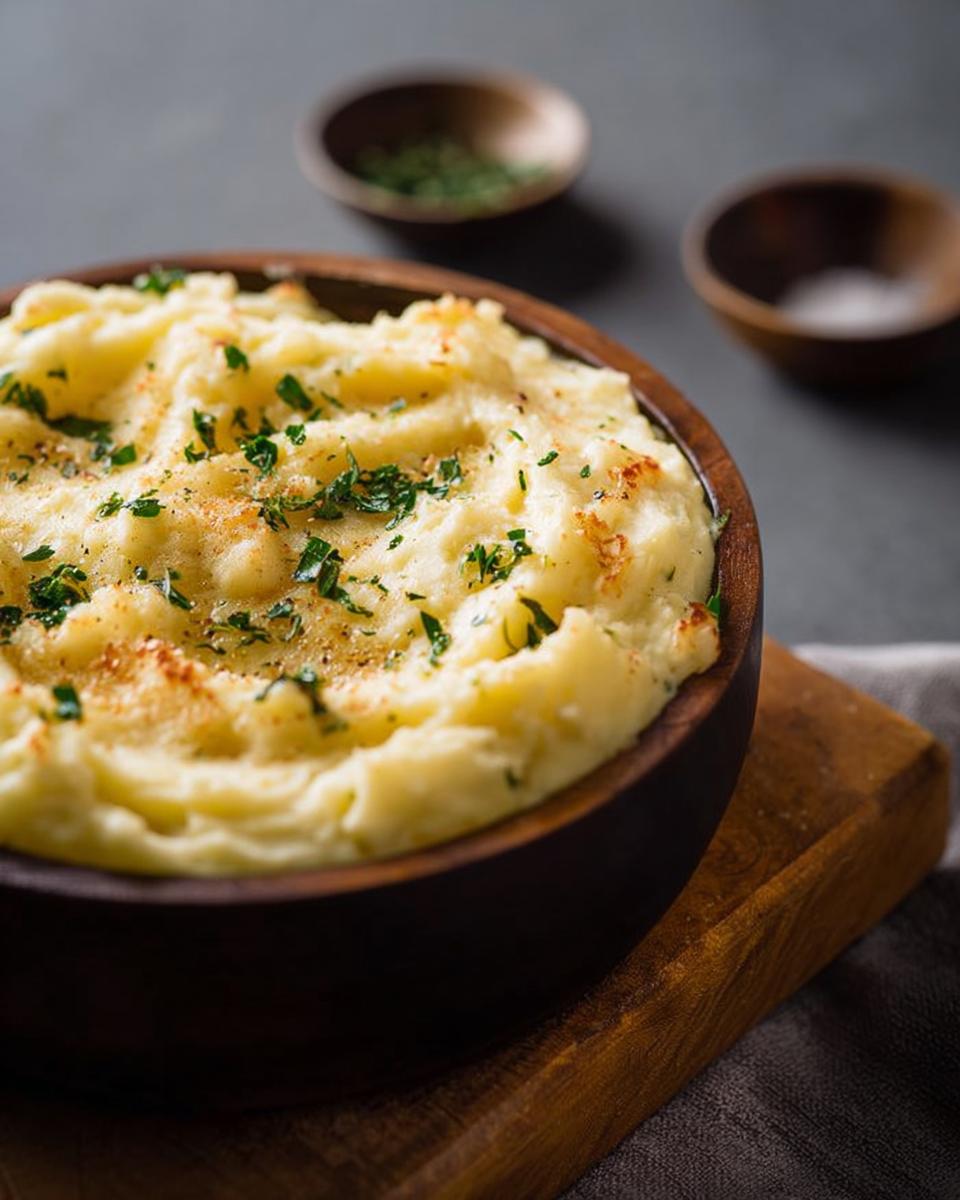
Now, what about leftovers? Don’t toss them! Leftover mashed potatoes are fantastic. Pop them into an airtight container and they’ll keep nicely in the fridge for about 5 to 6 days. Reheating is super easy too. You can gently warm them up on the stovetop over low heat, stirring often with a splash of milk or butter to bring back that creamy texture. Or, if you’ve got a slow cooker, just pop them in with a bit more butter and let them heat through on low. They stay wonderfully delicious!
Need ideas for other make-ahead meals? Check out these quick breakfast meal prep egg cups!
Frequently Asked Questions about The Ultimate Mashed Potatoes Recipes Guide for Beginners
Got questions? I’ve got answers! It’s totally normal to have a few queries when you’re mastering a new recipe, especially something as beloved as mashed potatoes. Here are some common ones I get:
What kind of potatoes are best for mashing?
For the fluffiest, creamiest mashed potatoes, you really want to go for starchy or all-purpose potatoes. Yukon Golds are fantastic because they have a natural buttery flavor and great texture. Russets are also a top choice – they’re super starchy and yield a wonderfully light mash! Just try to avoid waxy potatoes like red or new potatoes, as they can get a bit gummy.
Can I make mashed potatoes ahead of time?
Absolutely! That’s one of the best things about mashed potatoes. You can totally make them a day or two in advance. Let them cool completely, then store them in an airtight container in the fridge. Reheat them gently on the stovetop with a splash of milk or butter, or even in the slow cooker for a crowd!
How do I avoid gummy mashed potatoes?
Oh, the dreaded gummy mash! The key is not to overwork them. Use a potato masher or a ricer. Avoid using a food processor or electric mixer, as they tend to break down the starch too much, leading to that sticky, gluey texture. Also, make sure your potatoes are fully cooked but not mushy!
Can I make mashed potatoes dairy-free or vegan?
You bet! You can swap the butter for your favorite vegan butter and use unsweetened, plain plant-based milk (like almond, soy, or oat) instead of half-and-half. Sometimes a touch of unsweetened cashew cream adds amazing richness too! These substitutions work beautifully and still give you that delicious flavor.
Looking for other great potato ideas? You might love this recipe for creamy potato soup!
Nutritional Information (Estimated)
Alright, let’s talk numbers! The nutritional info for mashed potatoes can really change depending on exactly what you add and how much. This is just a general idea for one serving of the basic recipe I shared:
- Calories: Around 415
- Fat: About 19g
- Protein: Roughly 5.5g
- Carbohydrates: Around 56g
- Sugar: About 2.2g
- Sodium: Approximately 2832mg (this can vary a LOT based on your salt!)
Keep in mind these are just estimates! Adding extra butter, cheese, or using different kinds of milk will definitely change these numbers.

The Ultimate Mashed Potatoes Recipes Guide for Beginners
Ingredients
Equipment
Method
- Peel the potatoes if desired. Cut them into evenly sized pieces, about 2.5 inches. Place the potato pieces in a large saucepan and cover with cold water (about 6-8 cups). You can cook them immediately or cover and set aside for a few hours; the cold water prevents browning.
- Add 1 tablespoon of Kosher salt to the water. Cover the pot and place it over medium to medium-high heat. Cook until the potatoes reach a low boil, about 25-30 minutes. Test for doneness by piercing a potato with a fork; it should slide in easily. If not, cook for another 3-4 minutes. Drain the potatoes and return the empty pot to the stove.
- Return the empty pot to the stove over low heat. Add the butter, half and half, salt, and pepper. Stir to combine and bring to a low simmer, then turn off the heat. Return the drained potatoes to the pot. Mash the potatoes using your preferred method, being careful not to over-process them for the best texture. Gently fold everything together. Taste and adjust seasoning as needed.
- Spoon the mashed potatoes into a serving bowl. If desired, create swirls using the back of a spoon. Drizzle with melted butter and top with fresh chives, cracked black pepper, and flaky sea salt. Serve immediately.
Nutrition
Notes
Tried this recipe?
Let us know how it was!
Mindfulness & Emotional Wellness Specialist
I never thought I’d leave my career as a corporate litigation attorney, but a panic attack in a courthouse bathroom changed everything. After struggling with emotional eating for over a decade—starting in college and getting worse through the stress of law school—I realized that no diet could fix what was really going on inside me.
My breakthrough came through mindfulness meditation training. Working with Jon Kabat-Zinn’s protocols, I discovered that my relationship with food reflected deeper patterns of anxiety and perfectionism that I’d been avoiding for years. That’s when I understood that sustainable eating changes require internal transformation, not just external rules.
Now I treat meal preparation as meditation practice. My “Mindful Kitchen” workshops help people transform ordinary cooking into opportunities for self-awareness and emotional healing. I’ve developed over 180 recipes designed for slow, mindful preparation—complex enough to keep you present, simple enough not to overwhelm your nervous system.
I believe food becomes medicine when we approach it with presence rather than reactivity. The kitchen can be our monastery if we choose to enter it with reverence.