
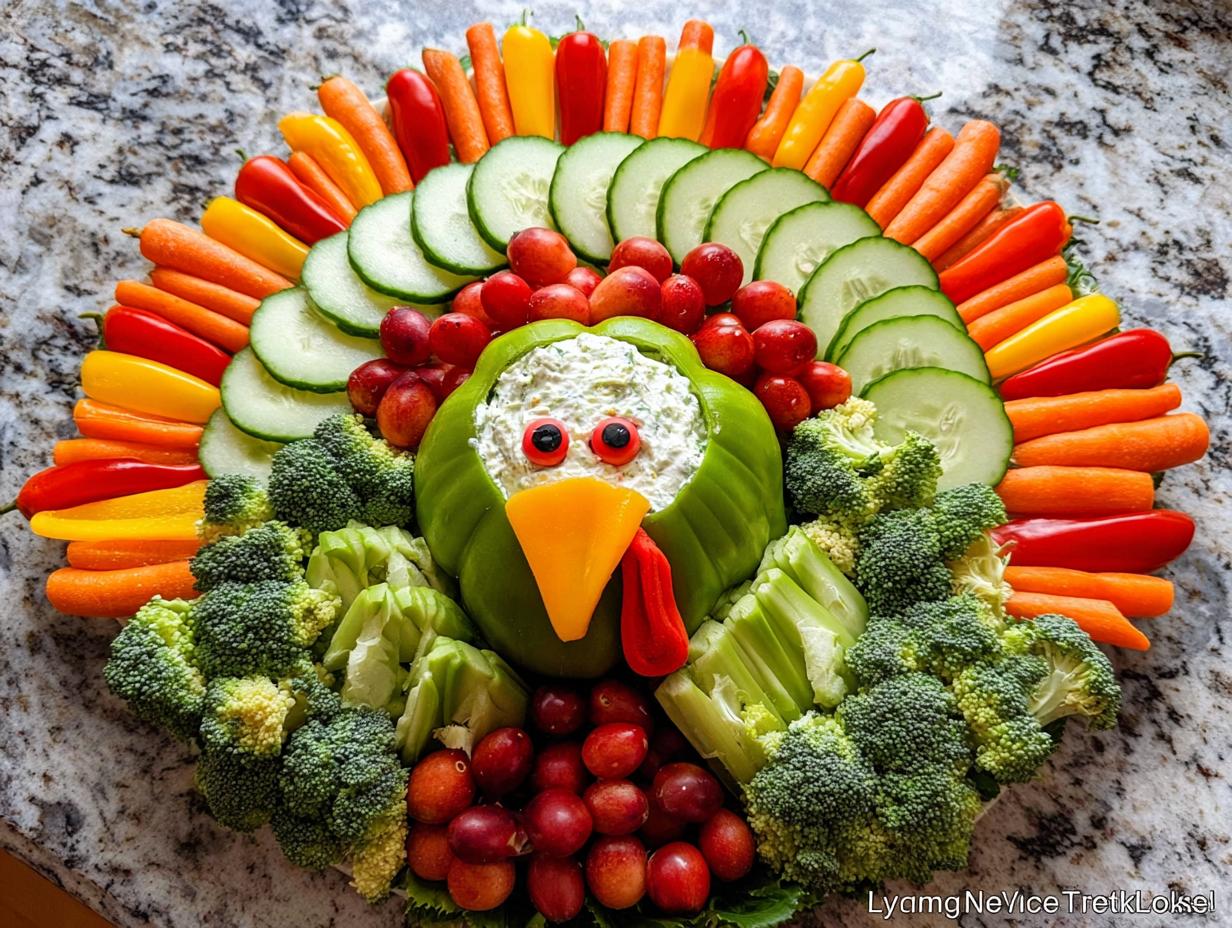
You know, navigating holiday entertaining with picky eaters or dietary restrictions can feel like a culinary obstacle course. It’s tough trying to please everyone, especially when you’re juggling gluten-free, diabetic-friendly, and keto needs all at once. Trust me, I’ve been there! That’s exactly why I put together this Ultimate Thanksgiving Veggie Tray Guide: Ingredients, Temps, Tips. It’s my way of making sure your Thanksgiving spread is not only safe and delicious but also a total showstopper. Think of it as your secret weapon for a stress-free celebration, brought to you by my experience as a Dual-Restriction Recipe Engineer. You can learn more about my journey here.
Why This Ultimate Thanksgiving Veggie Tray Guide is Essential
Honestly, this guide is a lifesaver for anyone hosting this holiday season, especially when you’ve got folks with tricky dietary needs. We’re talking gluten-free warriors, diabetic diners, and keto enthusiasts all at the same table! This isn’t just about slapping some carrots and celery on a plate, though. We’re aiming for a Thanksgiving veggie tray that’s not only 100% safe and satisfying for everyone but also looks absolutely gorgeous. Imagine a festive centerpiece that guests can actually *enjoy* without a second thought. It’s all about practical, safety-first tips that really work, making your holiday prep smooth sailing.

Addressing Multiple Dietary Needs with Confidence
This guide is your go-to for juggling gluten-free, diabetic-friendly, and keto diets all at once. We’ll walk you through exactly which ingredients to pick and how to prep them so everyone’s safe. It’s all about making sure your holiday spread is inclusive and delicious, leaving no one out of the fun. You can dive in with total confidence!
Creating a Stunning Turkey-Shaped Tray
Forget boring old platters! We’re making a fun, turkey-shaped veggie masterpiece that’ll be the talk of the party. It’s super festive and totally transforms your average crudités into a holiday showstopper. This isn’t just an appetizer; it’s a centerpiece that brings smiles and encourages everyone to dig in and celebrate.

Essential Ingredients for Your Ultimate Thanksgiving Veggie Tray Guide
Alright, let’s get down to the nitty-gritty of what makes this tray so special and, most importantly, safe for everyone. When you’re making an **Ultimate Thanksgiving Veggie Tray Guide: Ingredients, Temps, Tips**, having the right ingredients is key, no matter your dietary needs. I’m super picky about my veggies – they’ve got to be super fresh, and I always double-check labels to make sure they’re gluten-free and low-carb friendly.
For the Veggie Platter
We’re going for variety and color here! You’ll need:
- 1 English cucumber, sliced into nice rounds
- 1 red bell pepper, cut off the bottom for the face, and the rest sliced into strips
- 1 yellow bell pepper, sliced into pretty strips
- 1 green bell pepper, with the top cut off and insides scooped out – this becomes your handy dip holder!
- A medium bag of baby carrots, ready to be shaped into legs and a beak
- 1 crown of fresh broccoli, broken into little florets
- 2 candy eyes (make sure they’re gluten-free, some have weird stuff in them!)
For the Goat Cheese Dip (Optional)
This creamy dip is a game-changer. Make sure your goat cheese is totally softened (room temp vibes!) and the cream is nice and cold.
- 6 ounces of soft goat cheese, all softened up
- 1/3 cup of mixed fresh herbs, like parsley, basil, and chives, all finely diced
- 2 Tablespoons of shallot, minced super fine
- 1/4 teaspoon of black pepper, or whatever makes your taste buds happy
- 1/3 cup of cold heavy whipping cream – you can use 1/2 cup if you like a looser dip!
- Just a pinch of fine sea salt, if you feel like it
Step-by-Step Preparation: Ultimate Thanksgiving Veggie Tray Guide
Okay, time for the fun part – actually putting this fabulous turkey together! Follow these straightforward steps, and you’ll have a masterpiece that’s as safe as it is stunning. We’ll break it all down so it’s super easy, even if you’re new to this. Remember, this **Ultimate Thanksgiving Veggie Tray Guide: Ingredients, Temps, Tips** is designed to make your holiday prep a breeze. And hey, if you want even more easy gluten-free and low-carb ideas, check out my recipes here. For assembly inspiration, this Turkey Veggie Tray is pretty cute too!
Washing and Prepping Vegetables
First things first, give all your beautiful veggies a good wash under cool water and pat them dry. Seriously, drying is key to keeping things from getting soggy! For the red bell pepper, just slice off the bottom – we’ll use that piece for the face. Slice up your cucumber into nice rounds. Then, slice both the red and yellow bell peppers into thin strips. For the green bell pepper, carefully cut off the top and scoop out all those seeds and membranes; this will be your neat little dip holder. If the bottom is wobbly, just trim it a bit so it sits flat.

Carrot Shaping for Turkey Legs and Beak
Let’s get crafty with those carrots! Take one carrot, slice it in half lengthwise, and then cut each half into a little leg shape. For the beak, just snip off the very end and carve out a small notch. Easy peasy!
Making the Creamy Goat Cheese Dip
If you’re going for the dip, grab a bowl. Toss in that softened goat cheese, your finely diced herbs (parsley, chives, basil – yum!), and the minced shallot. Give it a good mix, then slowly start adding the cold heavy whipping cream. Stir it in until you get that perfectly creamy consistency you’re after. Add just a pinch of sea salt and that black pepper. Taste it and add more pepper if you like it zesty!
Assembling the Turkey-Shaped Tray
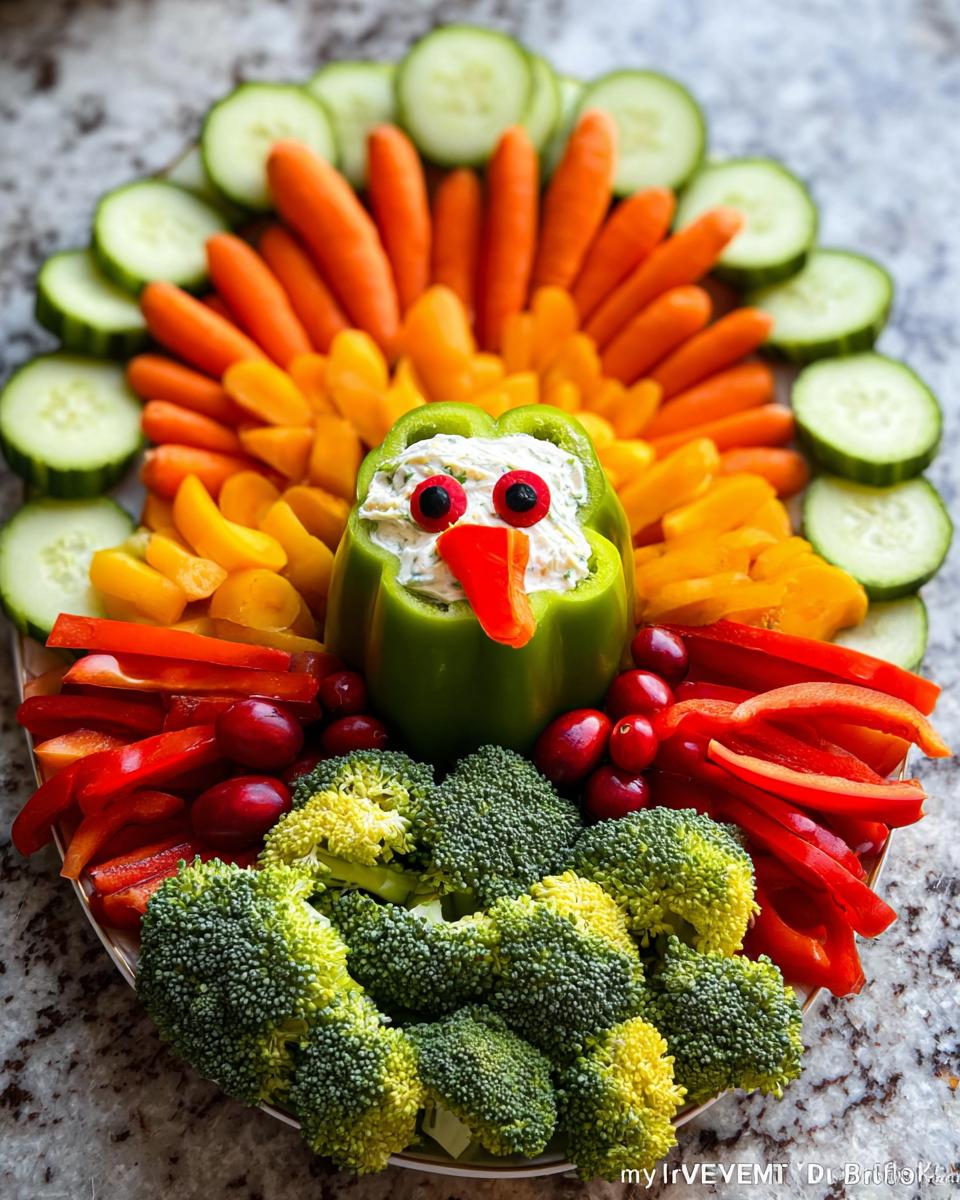
Now for the main event – building our turkey! Grab your largest platter. Start by making two neat rows of your cucumber rounds for the turkey’s body. Next, add a row of those cute carrot leg shapes, then lay down your red and yellow bell pepper strips for the tail feathers. Finish off the body with a nice row of fluffy broccoli florets. Pop your hollowed-out green bell pepper right in the middle of the bottom edge of the platter and fill it to the brim with your delicious goat cheese dip.
Adding the Final Turkey Features
This is where the turkey really comes to life! Gently place your reserved red bell pepper piece for the turkey’s face. Stick on the carrot beak and those carrot legs. For the candy eyes, just dab a tiny bit of the goat cheese dip on the back of each one and press them into place on the pepper face. The dip works like magic glue!
Chilling for Optimal Texture
Pop the whole beautiful creation into the fridge for at least 15 minutes. This little chill time helps everything set up perfectly, especially the dip, making it even better for serving.
Tips for Success with Your Thanksgiving Veggie Tray
Want this tray to be an absolute win? It’s all about a few smart tricks! This Ultimate Thanksgiving Veggie Tray Guide: Ingredients, Temps, Tips is packed with little secrets I’ve learned to make sure everything is perfect, safe, and beautiful. Think of me as your kitchen whisperer for all things dietary-restrictive-friendly! For more amazing low-carb Thanksgiving sides, you can check out my faves here.
Ingredient Selection for Freshness and Safety
Always grab the freshest veggies you can find – bright colors mean they’re happy and packed with flavor. When you’re dealing with dietary needs, double-check labels, especially for things like candy eyes, to make sure they fit your specific requirements. Freshness equals flavor and safety!
Make-Ahead Strategies for Stress-Free Hosting
Here’s a game-changer: you can totally prep most of this ahead of time! Chop your veggies the day before and store them in airtight containers in the fridge. The goat cheese dip can also be made and chilled. It makes Thanksgiving Day so much less hectic. Just assemble the turkey shape right before guests arrive for that fresh-from-the-garden look!
Creative Vegetable Substitutions
Don’t have certain peppers? No worries! You can totally swap things around. Yellow squash or zucchini strips work for the tail feathers. For the dip holder, a small ramekin tucked into the arrangement does the trick. Just get creative with what you have to keep that turkey shape!
Serving and Storage: Your Ultimate Thanksgiving Veggie Tray Guide
Alright, let’s talk about keeping this incredible turkey tray looking and tasting its best, from the moment it hits the table to what happens with any yummy extras. Following this Ultimate Thanksgiving Veggie Tray Guide: Ingredients, Temps, Tips means you’ll nail the serving and storage game, keeping everything safe and delicious for your guests and for any leftovers!
Optimal Serving Temperatures
For the freshest taste and absolute food safety, serve this veggie tray chilled. The crisp veggies and cool dip are best when they’ve had about 15-30 minutes out of the fridge on the counter. Don’t leave it out for more than two hours total, though; that’s the golden rule for food safety.
Storing Leftovers Safely
Got any turkey tray leftovers? Lucky you! Cover the platter tightly with plastic wrap or transfer any remaining veggies and dip into separate airtight containers. Pop them in the refrigerator. They’ll stay good for about 2-3 days. Just give everything a once-over before you dig in again!
Frequently Asked Questions about the Ultimate Thanksgiving Veggie Tray Guide
Got questions about making this festive turkey tray? I totally get it! Planning around dietary needs can bring up a lot of “what ifs.” So, let’s clear things up with this Ultimate Thanksgiving Veggie Tray Guide: Ingredients, Temps, Tips. If you need more help or have questions, feel free to reach out here!
Can the goat cheese dip be made entirely ahead of time?
Oh yes! You can totally make the dip a day ahead. Just pop it in an airtight container in the fridge. It might firm up a bit, but it will still be delicious!
What are the best vegetables for a ‘turkey-shaped tray’ if I can’t find bell peppers?
No bell peppers? No problem! Yellow squash or zucchini strips work great for tail feathers. A small ramekin tucked into your veggie platter arrangement makes a perfect dip holder too. Get creative!
How do I ensure the candy eyes and beak stay on?
The trick is a tiny dab of your goat cheese dip! Just use a little bit on the back of the candy eyes or the carrot beak, and they’ll stick right on. It’s like edible glue!
Is this veggie tray suitable for picky eaters?
Absolutely! It’s got familiar favorites like carrots and broccoli. You can even hold back some of the “prettier” veggies if picky eaters are a concern, or arrange them separately. It makes for great holiday appetizers!
Nutritional Information Disclaimer
Just a heads-up, the nutritional details for this recipe are estimates. They can totally change depending on the specific brands you use and how you prep everything. For the most accurate info, especially if you’re tracking things super closely, I always recommend calculating it yourself using your favorite tracking tools. For more on how we handle information, you can check out our privacy policy.
Share Your Festive Creations!
I just LOVE seeing what you all come up with in your kitchens! If you make this adorable turkey veggie tray, please share a pic with me! Tag me on social media or drop a comment below. I’d also love to hear about any fun twists you try. And hey, if you found this guide helpful, a rating would make my day! You can find more fun ideas here.

Ultimate Thanksgiving Veggie Tray Guide: Ingredients, Temps, Tips
Ingredients
Equipment
Method
- Wash and dry all vegetables. Prepare the red bell pepper by cutting off the bottom and setting it aside for the turkey face. Slice the cucumber into rounds. Slice the red and yellow bell peppers into thin strips. Cut the top off the green bell pepper and scoop out the seeds and membranes. Trim the bottom of the green pepper if needed to help it sit level.
- Shape the carrots: Cut one carrot in half lengthwise, then cut each half into a leg shape. Cut the end off another carrot and create a notch to form a beak.
- Prepare the goat cheese dip (if using): In a bowl, combine the softened goat cheese, diced herbs, minced shallot, and black pepper. Gradually mix in the cold heavy whipping cream until the dip reaches your desired consistency. Add a pinch of sea salt if desired.
- Assemble the platter: On a large platter, arrange the vegetables to form a turkey shape. Start with two rows of cucumber rounds, followed by a row of carrot pieces, then the red and yellow pepper strips, and finally a row of broccoli florets. Place the hollowed-out green pepper in the center bottom of the platter and fill it with the goat cheese dip.
- Add the turkey features: Position the prepared red pepper piece for the face, the carrot beak, the carrot legs, and the candy eyes. Use the goat cheese dip as an adhesive to secure the eyes, beak, and legs in place.
- Chill the platter for at least 15 minutes before serving to allow the dip to firm up slightly.
Notes
Tried this recipe?
Let us know how it was!
Dual-Restriction Recipe Engineer & Cross-Contamination Specialist
Everything changed when my teenage son got hit with celiac disease and Type 1 diabetes diagnoses within six months of each other. Suddenly, pizza and pasta were off the table, and most “diabetic-friendly” foods contained gluten. I went from regular mom cooking to navigating what I call “compound restriction cooking”—and I had a kid’s appetite and taste buds to satisfy.
Lucky for us, my background in pharmaceutical quality control gave me the systematic mindset this level of precision requires. My kitchen now operates under pharmaceutical-grade protocols adapted for home use: dedicated prep surfaces, separate storage systems, and testing procedures that verify both carb counts and gluten absence before any recipe gets published.
I’ve developed over 220 recipes that clear multiple dietary hurdles simultaneously—finding gluten-free thickeners that don’t spike blood sugar, creating bread alternatives that meet both keto ratios and celiac safety, and developing desserts that actually taste good to a teenager despite impossible restrictions.
Through my “Safe Kitchen Certification” program, I teach other parents that managing multiple dietary restrictions isn’t about multiplying limitations—it’s about systematic thinking that reveals unexpected possibilities. When you engineer solutions instead of making compromises, restriction becomes innovation rather than deprivation.