
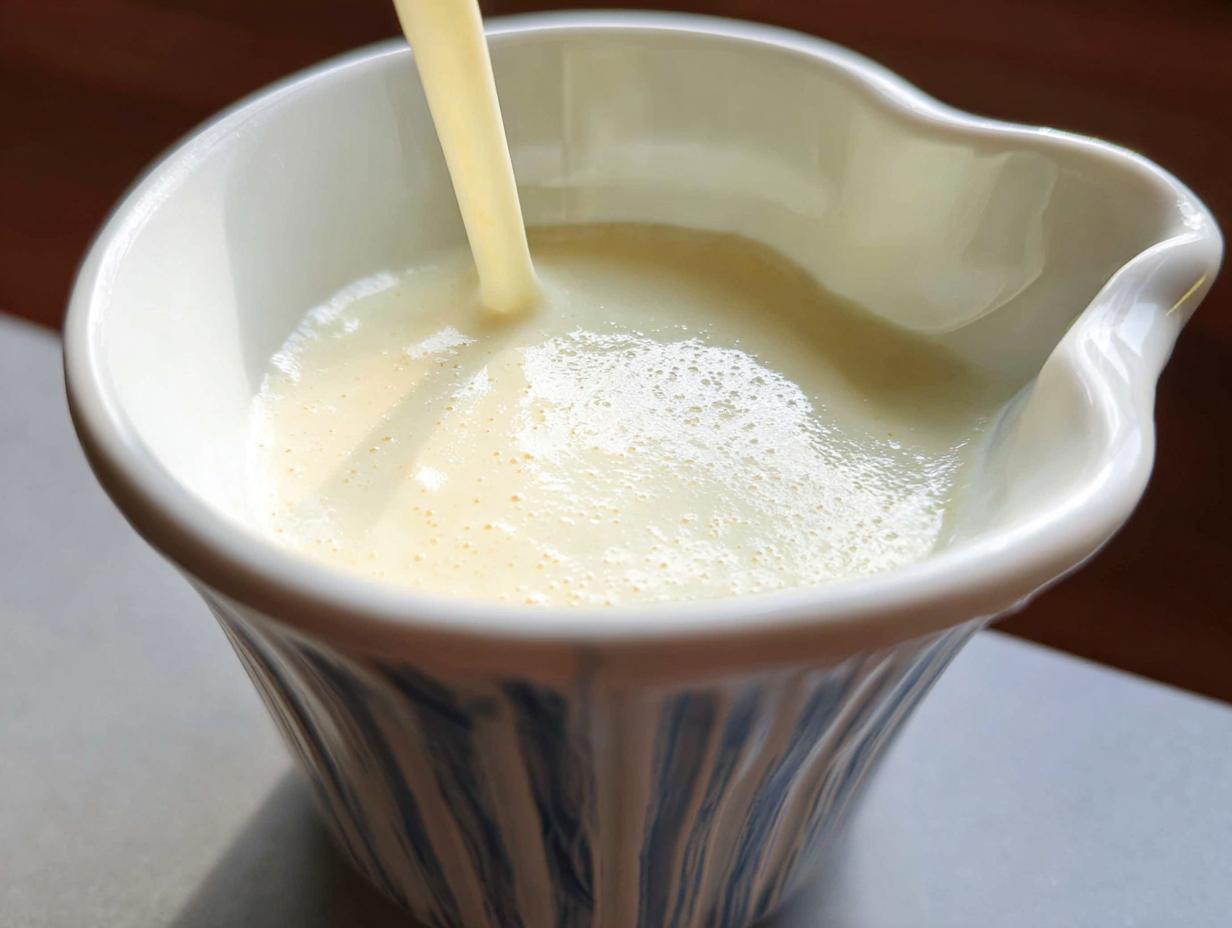
Do you ever look at a beautiful piece of salmon or a plate of plump scallops and think, “This deserves something truly spectacular”? Trust me, I know that feeling! We all want restaurant-quality food right at home, especially when we’re celebrating something major or just treating the family right. That’s why I’m obsessed with sharing my secrets for crafting the most luxurious, technique-driven Champagne Cream Sauce for Seafood.
It sounds incredibly fancy, I know, but this is where home cooking shines! I still remember the first time I crafted this sauce for a special family gathering. It was a celebration of my son’s birthday, and I wanted to create a dish that would impress, yet comply with our new dietary needs. After some research and careful considerations, I combined light cream, a splash of our favorite champagne, and fresh herbs, resulting in a sauce that perfectly complemented the seafood on the table. Watching my family’s reaction as they enjoyed the meal filled me with gratitude—proof that with a bit of creativity and the right ingredients, we could transform any occasion into a gourmet experience. This simple pan sauce recipe is my absolute go-to when I need elegance fast!
Why This Champagne Cream Sauce for Seafood is a Culinary Essential
Listen, you don’t need to spend a fortune to make dinner feel like an event. That’s the magic of this Champagne Cream Sauce for Seafood! It’s truly the key to elevating simple seafood into something unforgettable.
When you’re planning that big New Year’s Eve Dinner or just need an easy win for your Party Menu, this sauce delivers luxury with minimal fuss.
- The flavor is just bright and decadent—you can taste the quality!
- It’s a classic pairing that works beautifully with almost any fish or shellfish.
- The real secret, though, is building that depth using our homemade fish bone broth. That technique shows you mean business! Trust me, once you try it, you’ll see why this is a staple.
Essential Equipment for Perfect Champagne Cream Sauce for Seafood
You don’t need a commercial kitchen to whip up this incredible Champagne Cream Sauce for Seafood, but a few specific items actually make the job so much easier. I learned this the hard way when I tried to rush it initially—don’t do what I did!
You’ll need a good, sturdy saucepan for building the sauce foundations. Then, once we’ve simmered that beautiful broth, we move to the filtration stage. Make sure you have a fine sieve and, most importantly, some muslin cloth. Honestly, the muslin cloth is non-negotiable! It’s what makes sure we strain out every tiny particle from the broth and gives us that silky, clear finish that makes this Seafood Sauce look like it came straight from a top French bistro. A bowl and a jug are handy for collecting the strained liquid, too. That’s really it; simple tools for a stunning result!
Ingredients Breakdown for Your Champagne Cream Sauce for Seafood
Okay, taking this sauce to the next level means respecting the two main parts: building a phenomenal backbone with the broth, and then finishing it off with the good stuff. When selecting your ingredients for this amazing Champagne Cream Sauce for Seafood, quality really matters. Don’t skimp on the Champagne here—whatever you wouldn’t hesitate to sip, use in the sauce! That’s my rule for any pan sauce.
We need raw fish bones for that deep, oceanic flavor in the broth, and you absolutely must use double cream, or heavy cream, for the sauce. Low-fat milk just won’t give you that signature velvety texture we’re aiming for. Everything else is designed to support those main stars.
For the Fish Bone Broth
This broth is going to be the base of all that deliciousness, bringing true depth to your final Seafood Sauce. We’re using uncooked fish bones for the cleanest flavor possible.
- 1 kg raw Fish bones
- 200 ml Champagne
- 800 ml Water
- 1 handful fresh Parsley
- 1 Bay leaf
- 1 teaspoon Salt and 1 teaspoon Peppercorns
- 1 Onion, roughly chopped
- 1 stick Celery, roughly chopped
- 1 Lemon, halved
For the Champagne Cream Sauce
This is where the magic happens! Remember, the butter needs to be cold and cubed at the end—that’s key for that glossy finish we want on our Champagne Cream Sauce for Seafood.
- 550 ml Champagne (the rest of the bottle!)
- 350 ml Fish bone broth (the star of our show)
- 400 ml Double cream (or heavy cream)
- 50 grams cold Butter, cubed for finishing
- 1 Shallot, finely diced
- Salt and Pepper to taste
Step-by-Step Guide: Making the Fish Bone Broth
Alright, let’s get down to business, because the quality of your base liquid determines everything in this Champagne Cream Sauce for Seafood. Don’t rush this part! We start by taking our lovely fish bones and tossing them into a big saucepan. Don’t be shy; add all your aromatics—the celery, the onion, the herbs, salt, pepper, and don’t forget to squeeze that lemon over everything before dropping the halves in.
Pour in the water and the initial 200ml of champagne. Bring that whole mixture up to a gentle simmer, and let it cook quietly for exactly 30 minutes. That simmering time is crucial for pulling all that deep flavor out of the bones without making the broth murky. Once the time is up, pull it off the heat right away.
Now comes the technique step that proves you know what you’re doing: straining. You need a sieve lined with that muslin cloth we talked about. Pour everything through slowly. Once it’s strained, let it sit for a minute so the fat rises to the top—skim that off! You want a clean, clear broth as the foundation for your gorgeous Champagne Cream Sauce for Seafood. This process builds true authoritativeness in sauce-making, I promise!
Crafting the Luxurious Champagne Cream Sauce for Seafood
This is where the previous hard work really pays off! We are taking our refined broth and turning it into that silky, glistening sauce that screams gourmet. We start by grabbing a clean saucepan—you don’t want any residue from the broth making things murky here. Get your heat set to medium, melt a bit of butter, and throw in that finely diced shallot. You just want to sweat those down until they are soft and fragrant, maybe two or three minutes. Don’t let them brown, or they’ll add a bitter edge to our elegant Champagne Cream Sauce for Seafood.
Next up, we deglaze and reduce! Pour in that glorious 550ml of Champagne. We need to boil this gently until that liquid has reduced by about a third. This crucial step concentrates all that beautiful bubbly flavor. Once that’s done, pour in your beautiful, clean fish stock and the heavy double cream. Bring it back up to a boil, then immediately turn the heat down and let it reduce again, this time until the sauce has reduced by half. It will start coating the back of a spoon nicely. Taste it now, and season perfectly with salt and pepper. Remember the best tips come from everywhere—even that great recipe over at Rosanna ETC show you how to handle the reduction!
Before the final flourish, you must strain your sauce through a sieve to remove the shallots. We want pristine liquid for this Champagne Cream Sauce for Seafood. Return the strained liquid to the pan and gently heat until just below simmering point. Then we finish with the butter!
Reducing the Champagne and Building the Base
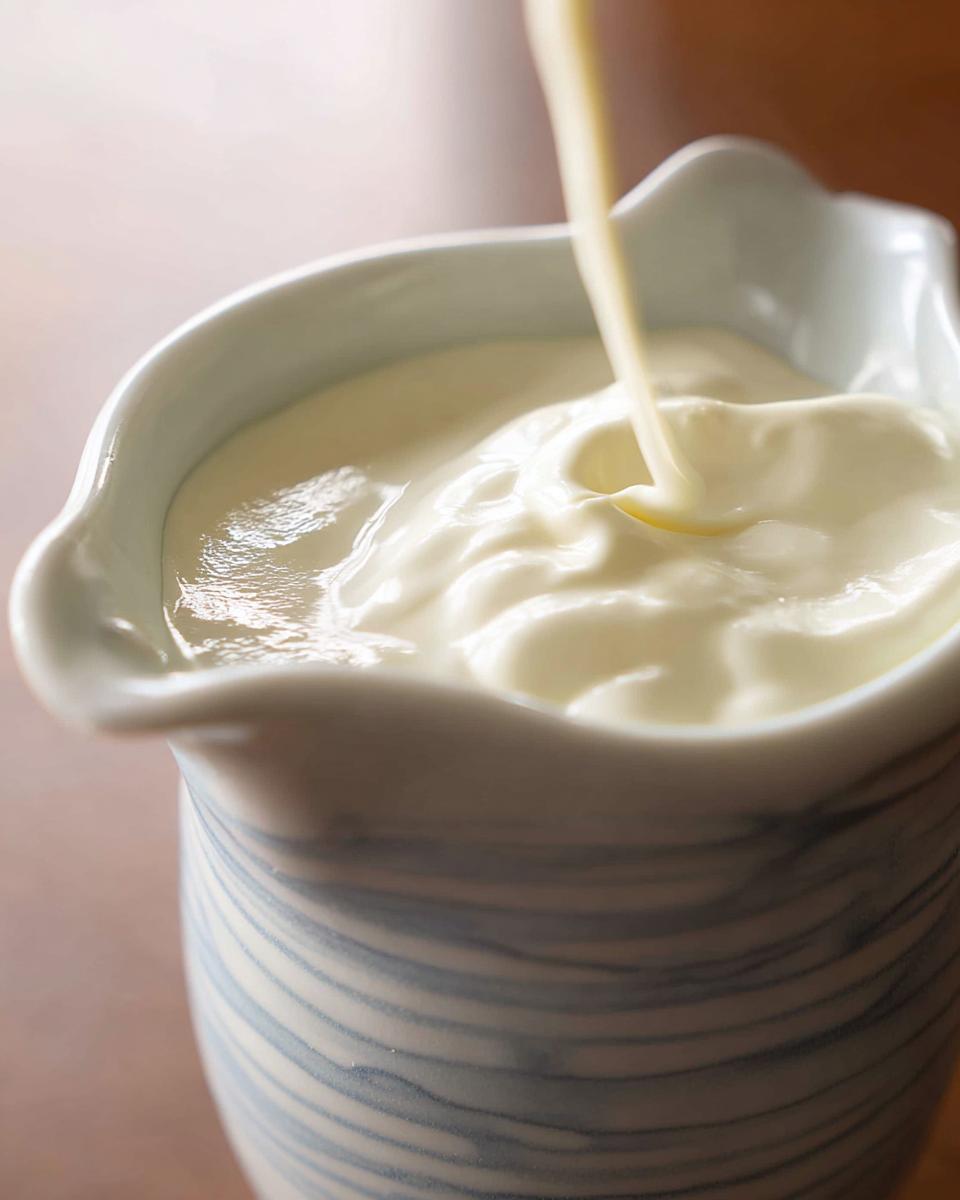
Reduction is flavor multiplication, plain and simple! When we boil off that initial champagne, we are concentrating the acids and the delicate wine notes, stripping away the watery alcohol. Think of it like making syrup, but for savory sauces. When you incorporate the fish stock and cream, the second reduction stage thickens everything naturally because the water content evaporates. This way, we get that gorgeous consistency perfect for coating seafood without adding heavy flour or starch. This technique is the bedrock of a brilliant Pan Sauce, ensuring your final Champagne Cream Sauce for Seafood has depth that store-bought versions just can’t touch.
Finishing the Champagne Cream Sauce for Seafood with Butter
This is my favorite part, honestly, because it’s pure kitchen magic! We are going to use a technique called monter au beurre. First things first: turn the heat OFF. Take the saucepan completely off the burner. Now, grab those cubes of cold butter. Whisk them in, just a few cubes at a time, until each one melts completely before adding the next. Do not, I repeat, *do not* let the sauce boil after you add this final butter.
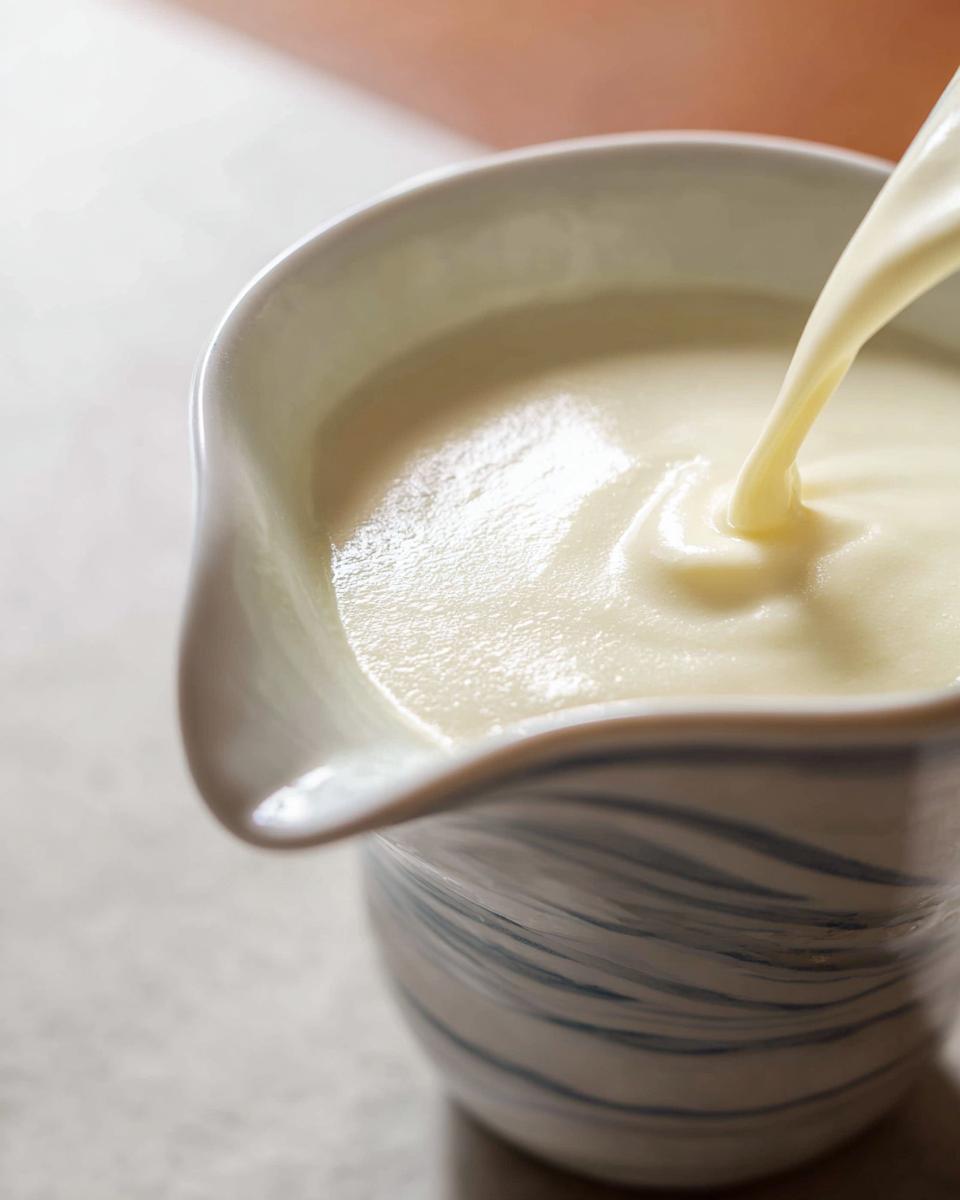
Why? Because that cold butter emulsifies into the sauce, giving it an incredible, shiny gloss and a richer mouthfeel. It stabilizes the whole thing. If you boil it now, the emulsion breaks, and you’ll end up with oily streaks instead of a perfect, smooth finish for your Champagne Cream Sauce for Seafood. It takes about two minutes of gentle whisking, but the payoff is seriously professional-grade!
Tips for Success When Making Champagne Cream Sauce for Seafood
Making a sauce this luxurious can feel intimidating, but honestly, it’s all about avoiding a few classic bumps in the road. Since we are working with delicate liquids and cream, a little attention to detail goes a long way in nailing this Champagne Cream Sauce for Seafood every single time. Pay attention during these steps, and you’ll have no trouble!
First, let’s talk bubbles. You absolutely must use Champagne that is dry, ideally labeled Brut or Extra Brut. Sweet dessert wines will ruin the balance of the sauce and make it cloying against the seafood. You want that crisp acidity to cut through the richness of the cream and butter. If you don’t have Champagne, use a very dry Prosecco. Anything less dry just won’t work its magic here.
Second, remember the broth we spent 30 minutes simmering? You *must* skim it well after it settles before you use it in the sauce. Skimming off that layer of fat—even though we’re using cream later—prevents the sauce from becoming greasy or cloudy later on. A truly clean base leads to a clear, glossy final product. If you’re ever unsure about your stock quality, you can check out some general foolproof pointers for stock making, though our fish bone broth is already top-tier!
My biggest red flag warning—and listen closely for this part of the Champagne Cream Sauce for Seafood process—is boiling the sauce once the cream is involved! Once the cream and stock are added, keep the heat gentle. Once you’ve added that finishing cold butter off the heat, *stop heating it entirely*. Boiling cream causes it to separate and curdle, which gives you sadly oily sauce. Gentle warmth is the friend of a beautiful emulsion, so keep it below a simmer when finishing!
Serving Suggestions for Your Champagne Seafood Sauce
Now that you have mastered this incredible Champagne Cream Sauce for Seafood, the fun part is deciding what incredible thing to pour it over! You’ve made a rich, flavorful Seafood Sauce that screams celebration, so let’s treat it right. This sauce is robust enough for a big night in or a show-stopping Party Menu, especially as we head toward that New Year’s Eve Dinner.
Honestly, you could pour this over anything that swims, but I have a few favorites where this Pan Sauce truly shines. My absolute top pick is seared sea scallops. The sweetness of the perfectly caramelized scallop against the bright, tangy richness of the Champagne Cream Sauce is just heaven. Sear them hot and fast, then drizzle generously right before serving.
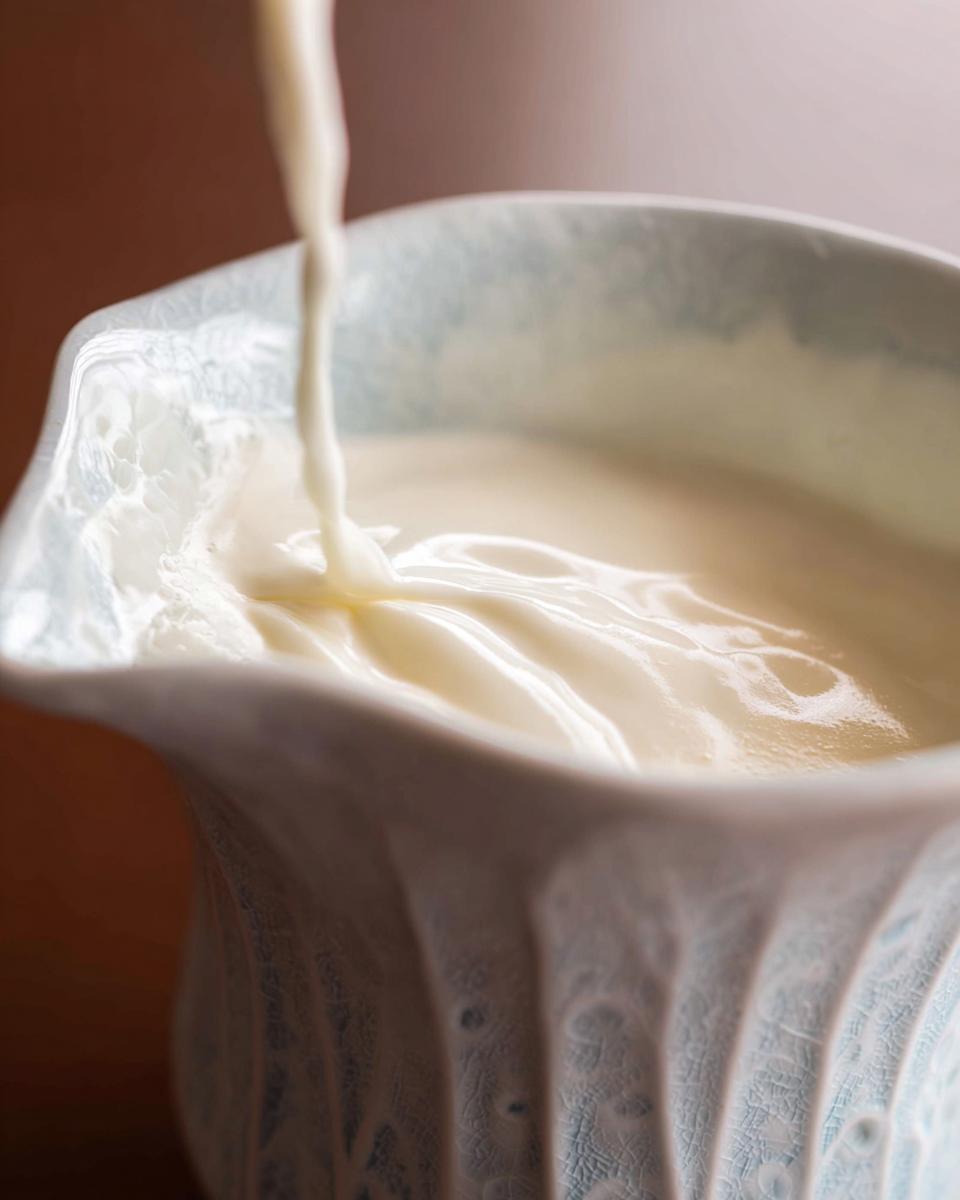
It’s also absolutely divine over wild salmon filets. Whether you bake them or pan-sear them, the sauce cuts through the richness of the fish beautifully. If you’re looking for something a little lighter, this sauce would dress up simple baked or pan-fried white fish like halibut or cod so well—it’s like adding a million-dollar finishing touch!
Remember, keep the sauce warm but just below a simmer when you serve it. We want that beautiful glossy texture we worked so hard for, and this sauce is definitely best when it’s piping hot and ready to pour right onto those beautiful bites of seafood!
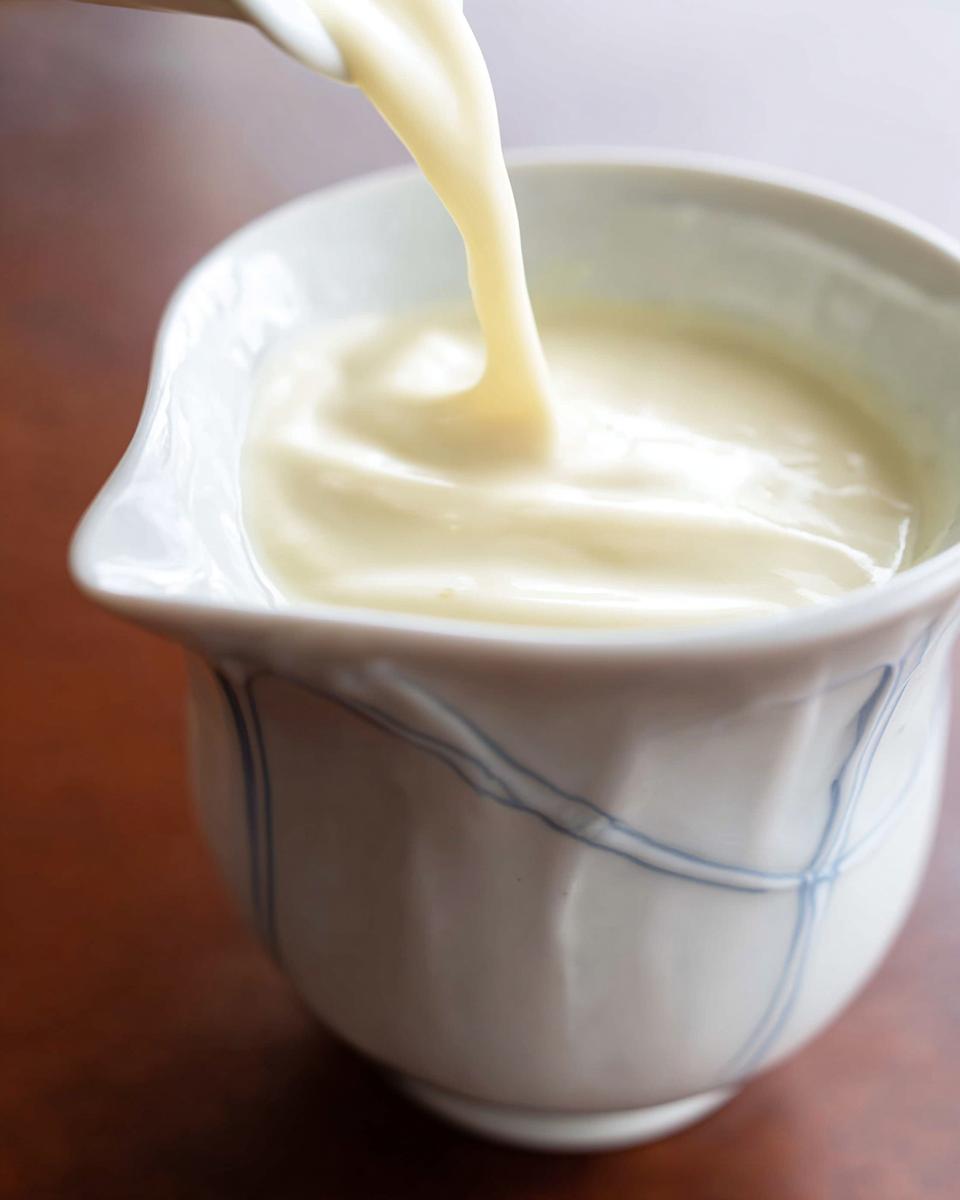
Storage and Reheating for Leftover Champagne Cream Sauce
Now, let’s be real—sometimes you just make too much amazing food, right? If you happen to have any leftover Champagne Cream Sauce for Seafood sitting around, don’t toss it! This isn’t just any Pan Sauce; it’s delicate because of all that butter and cream we incorporated at the end. So, you can’t just blast it in the microwave and expect perfection.
For storage, you’ll want to cool it down quickly and pop it into a thoroughly sealed, airtight container. You should aim to use the leftover sauce within two days. If you wait longer than that, the chance of the cream starting to separate increases, and nobody wants sad, broken sauce!
When it comes time to reheat, which you’ll definitely want to do because it’s just too good to waste, you need patience. Use the lowest heat setting on your stovetop—we are talking barely warm, folks! Transfer the sauce to a small saucepan. Now, here’s the trick: you must whisk it gently as it warms. If it seems too thick or looks a little stiff, whisk in a teeny-tiny splash of fresh liquid. I usually use a teaspoon of water or, even better, another tiny, cold pat of butter.
Whisking that little bit of extra cold fat in off the heat helps rebuild that beautiful emulsion we spent time creating earlier. It brings the gloss right back! If you’re looking for ways to make fewer leftovers next time so you don’t have to reheat at all, check out these one-pan dinner ideas for minimal cleanup!
Frequently Asked Questions About This Champagne Sauce
It’s totally normal to have questions when you’re diving into a technique-heavy dish like this Champagne Cream Sauce for Seafood! I’ve gathered the common concerns I hear all the time, especially whether you can swap out ingredients for a quick 5 ingredient dinner idea night.
Can I substitute the Champagne with another wine in the Champagne Cream Sauce for Seafood?
You absolutely can, but you need to be mindful of the flavor profile you’ll get! Champagne isn’t just for a fancy restaurant-style dinner; its structure and acidity are key. If you use a less expensive sparkling wine, like a dry Prosecco, the sauce will still be lovely and bubbly, but it might lack that crisp, complex edge Champagne provides.
If you need to go totally non-sparkling, use a very dry white wine, like a good Pinot Grigio or Sauvignon Blanc. Just remember, you’ll need to reduce that wine longer than you would Champagne because it has less natural carbonation pushing the flavor out. Anything sweeter than Brut will make your final Seafood Sauce too sugary, trust me on this one!
What if I cannot make the fish bone broth for the Seafood Sauce?
Oh, I totally get it! Sometimes you decide last minute you want this incredible Pan Sauce, and fish bones aren’t exactly sitting in the fridge waiting for you! If you can’t manage the 30-minute simmer time for the broth, you have two excellent backup plans for your Champagne Sauce.
First choice is a high-quality, store-bought fish stock. Look for one that lists minimal additives. It won’t have the same depth we built from simmering our own bones, but it will give you that essential seafood note. Second, if fish stock isn’t available, a really good, savory vegetable broth works in a pinch! It will shift the flavor profile to be slightly more delicate, meaning the main flavor lift comes solely from the Champagne, but you can still create a fabulous, glossy sauce to feature in your next Party Menu!
Nutritional Estimate for Champagne Cream Sauce for Seafood
Since we are talking about a rich, classic French pan sauce finished with butter and cream, this is definitely a recipe where you enjoy it in moderation! Here is an estimate of the nutritional information, broken down per serving (based on 6 servings).
Keep in mind that because this Champagne Cream Sauce for Seafood relies heavily on butter for that final luxurious texture, the fat content will reflect that richness. These numbers are just an approximation, as specific brands of cream or the exact amount of fat skimmed from the broth will make a difference.
- Calories: 304 kcal
- Fat: 25 grams
- Saturated Fat: 16 grams
- Protein: 4 grams
- Carbohydrates: 8 grams
- Sugar: 5 grams (mostly from the cream and residual wine)
- Sodium: 696 mg
This is definitely decadent, so pair it with lighter vegetables or a very simple piece of lean, perfectly cooked fish! This information should help you plan out that gourmet dinner at home!
Share Your Experience Making This Gourmet Sauce
I really hope you’ve found these step-by-step instructions confidence-boosting! Learning these techniques for making a perfect Pan Sauce, especially using a homemade broth base for that ultimate flavor in your Champagne Cream Sauce for Seafood, is so rewarding. I put a lot of work into perfecting this recipe so you could have a gourmet experience without the kitchen stress.
Now I want to hear from you! Have you tried making this? If you have, please take a moment to leave us a rating—a solid 5 stars if you loved it! I’d be thrilled if you specifically mentioned what gorgeous seafood you paired this amazing Seafood Sauce with. Did you use scallops? Salmon? Let me know how you customized it!
I love seeing your culinary adventures! If you shared your photos online, tag us in them! Seeing my recipes come to life in your kitchens is truly the best part of cooking. For more inspiration on creating stunning meals, check out my thoughts over at my About Page!
Nutritional Estimate for Champagne Cream Sauce for Seafood
Now, I have to be upfront with you: when you build a genuinely luxurious sauce using reductions, butter, and heavy cream, you’re going to get a wonderfully rich final product! This is not exactly health food, but it’s spectacular for those special occasions we keep talking about for your Party Menu.
Here is the estimated nutritional breakdown for one serving of this Champagne Cream Sauce for Seafood, based on the recipe yielding six servings. Remember, these numbers are just an approximation because the exact fat content in your double cream or the final volume after reduction can change things slightly. This is part of the reality of cooking from scratch—it’s never perfectly uniform like a pre-packaged meal!
- Calories: 304 kcal
- Fat: 25 grams
- Saturated Fat: 16 grams
- Protein: 4 grams
- Carbohydrates: 8 grams
- Sugar: 5 grams
- Sodium: 696 mg
See that fat content? That’s the glorious butter and cream doing their job to create that stable, glossy texture we love. What I always tell people is that because this is such a powerful sauce, a little goes a long way! You don’t need to dump a massive ladle over your scallops; just a rich drizzle is enough to make that meal unforgettable. Treat yourself when you make this!
Share Your Experience Making This Gourmet Sauce
I really hope you’ve found these step-by-step instructions confidence-boosting! Learning these techniques for making a perfect Pan Sauce, especially using a homemade broth base for that ultimate flavor in your Champagne Cream Sauce for Seafood, is so rewarding. I put a lot of work into perfecting this recipe so you could have a gourmet experience without the kitchen stress.
Now I want to hear from you! Have you tried making this? If you have, please take a moment to leave us a rating—a solid 5 stars if you loved it! I’d be thrilled if you specifically mentioned what gorgeous seafood you paired this amazing Seafood Sauce with. Did you use scallops? Salmon? Let me know how you customized it!
I love seeing your culinary adventures! If you shared your photos online, tag us in them! Seeing my recipes come to life in your kitchens is truly the best part of cooking. For more inspiration on creating stunning meals, check out my thoughts over at my About Page!
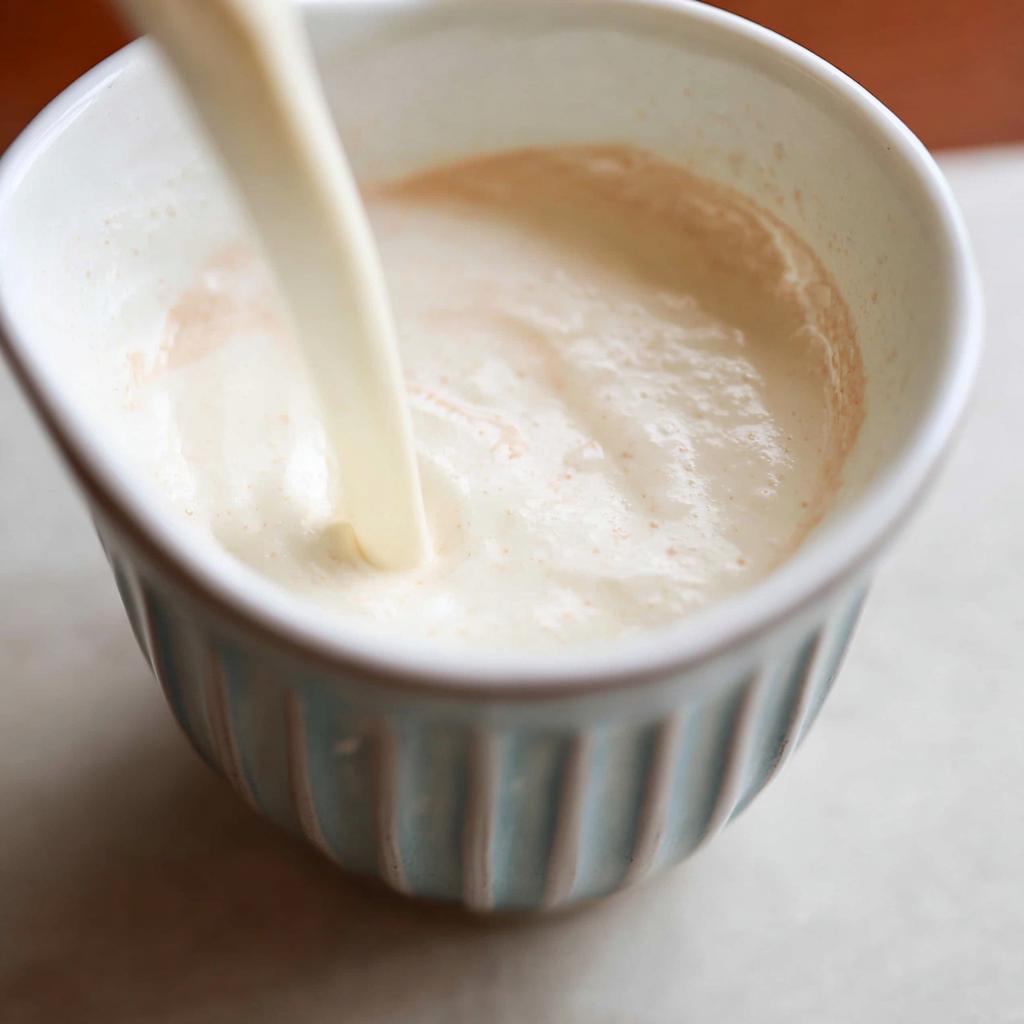
Champagne Cream Sauce for Seafood
Ingredients
Equipment
Method
- For the fish bone broth: Place fish bones in a large saucepan. Add chopped celery, quartered onion, bay leaf, parsley, salt, and peppercorns. Squeeze in the juice from the halved lemon and add the lemon halves.
- Pour in the water and 200ml of champagne. Bring to a simmer and cook for 30 minutes.
- Remove from heat. Strain the broth through a sieve lined with muslin cloth into a bowl or jug. Let it settle, then skim off any residue from the top.
- For the champagne cream sauce: Finely dice the shallot.
- Heat butter in a saucepan over medium heat. Add the diced shallot and cook until softened.
- Pour in 550ml of champagne and bring to a gentle boil. Reduce the liquid by one-third.
- Add the fish stock and cream. Bring back to a boil, then reduce the volume by half.
- Season the sauce with salt and pepper to your taste.
- Strain the sauce through a sieve to remove the shallots. Return the sauce to the pan and gently heat until just below simmering point.
- Turn off the heat. Whisk in a few extra cubes of cold butter until the sauce is smooth and glossy. Serve immediately.
Nutrition
Notes
Tried this recipe?
Let us know how it was!
Dual-Restriction Recipe Engineer & Cross-Contamination Specialist
Everything changed when my teenage son got hit with celiac disease and Type 1 diabetes diagnoses within six months of each other. Suddenly, pizza and pasta were off the table, and most “diabetic-friendly” foods contained gluten. I went from regular mom cooking to navigating what I call “compound restriction cooking”—and I had a kid’s appetite and taste buds to satisfy.
Lucky for us, my background in pharmaceutical quality control gave me the systematic mindset this level of precision requires. My kitchen now operates under pharmaceutical-grade protocols adapted for home use: dedicated prep surfaces, separate storage systems, and testing procedures that verify both carb counts and gluten absence before any recipe gets published.
I’ve developed over 220 recipes that clear multiple dietary hurdles simultaneously—finding gluten-free thickeners that don’t spike blood sugar, creating bread alternatives that meet both keto ratios and celiac safety, and developing desserts that actually taste good to a teenager despite impossible restrictions.
Through my “Safe Kitchen Certification” program, I teach other parents that managing multiple dietary restrictions isn’t about multiplying limitations—it’s about systematic thinking that reveals unexpected possibilities. When you engineer solutions instead of making compromises, restriction becomes innovation rather than deprivation.