
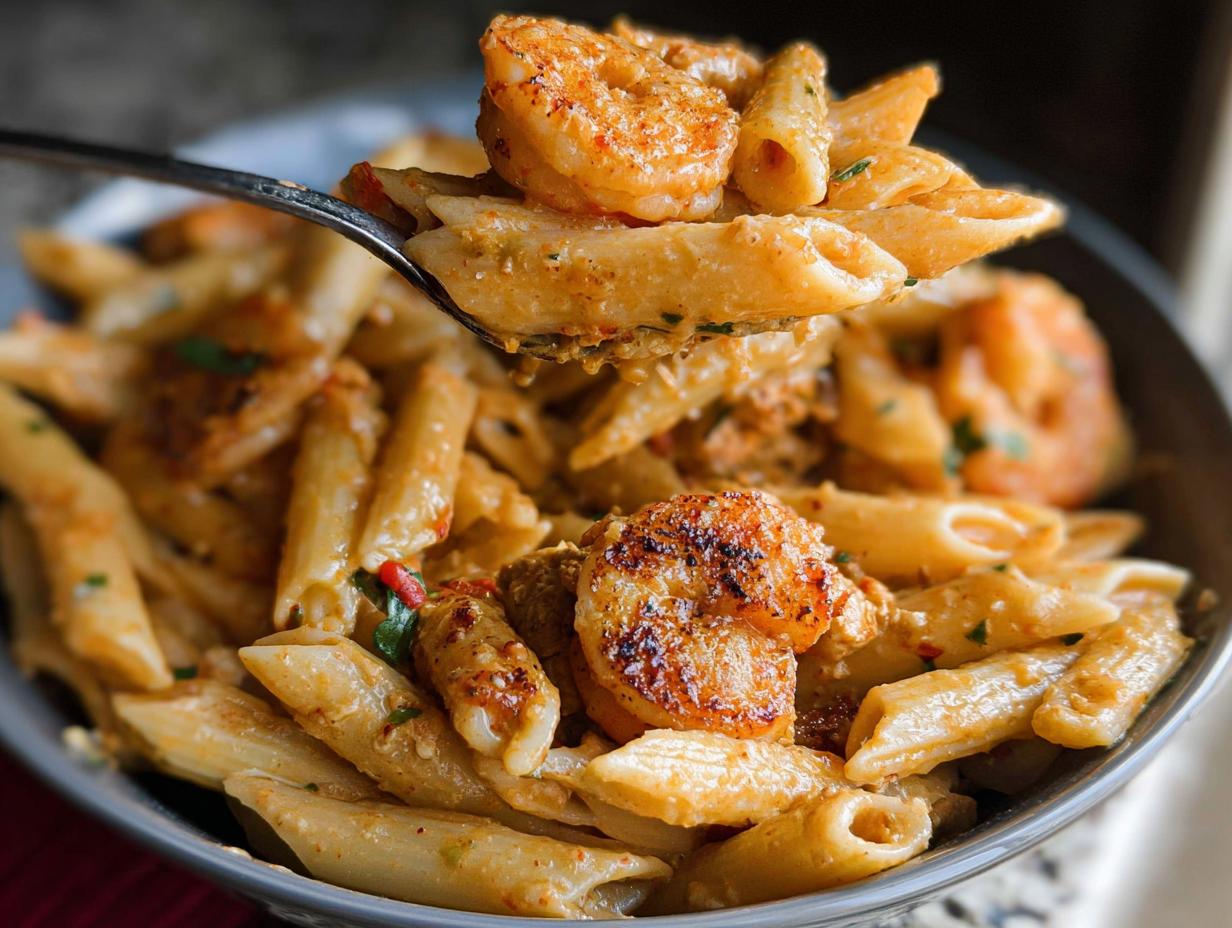
Oh my gosh, you guys, when I tell you I’ve cracked the code to making a weeknight meal that absolutely explodes with flavor, I mean it! We all crave those big, bold dishes, right? That’s why I’m so thrilled to share my Cajun Shrimp Pasta Recipe with you today. It’s creamy, it’s spicy, and best of all, it’s totally gluten-free!
I first stumbled upon the magic of Cajun shrimp pasta during a huge family gathering, where I was determined to create a dish that everyone, including my son, could enjoy safely. The big challenge was adapting the classic recipe to our dietary restrictions, using only gluten-free pasta while still capturing that rich, spicy essence that makes Cajun cuisine so special. As the tantalizing aroma filled my kitchen, I realized that cooking isn’t just about the ingredients—it’s about the pure joy it brings to the table, showing that even with limitations, we can create heartwarming meals that bring family and friends together. Trust me, this one is a keeper!
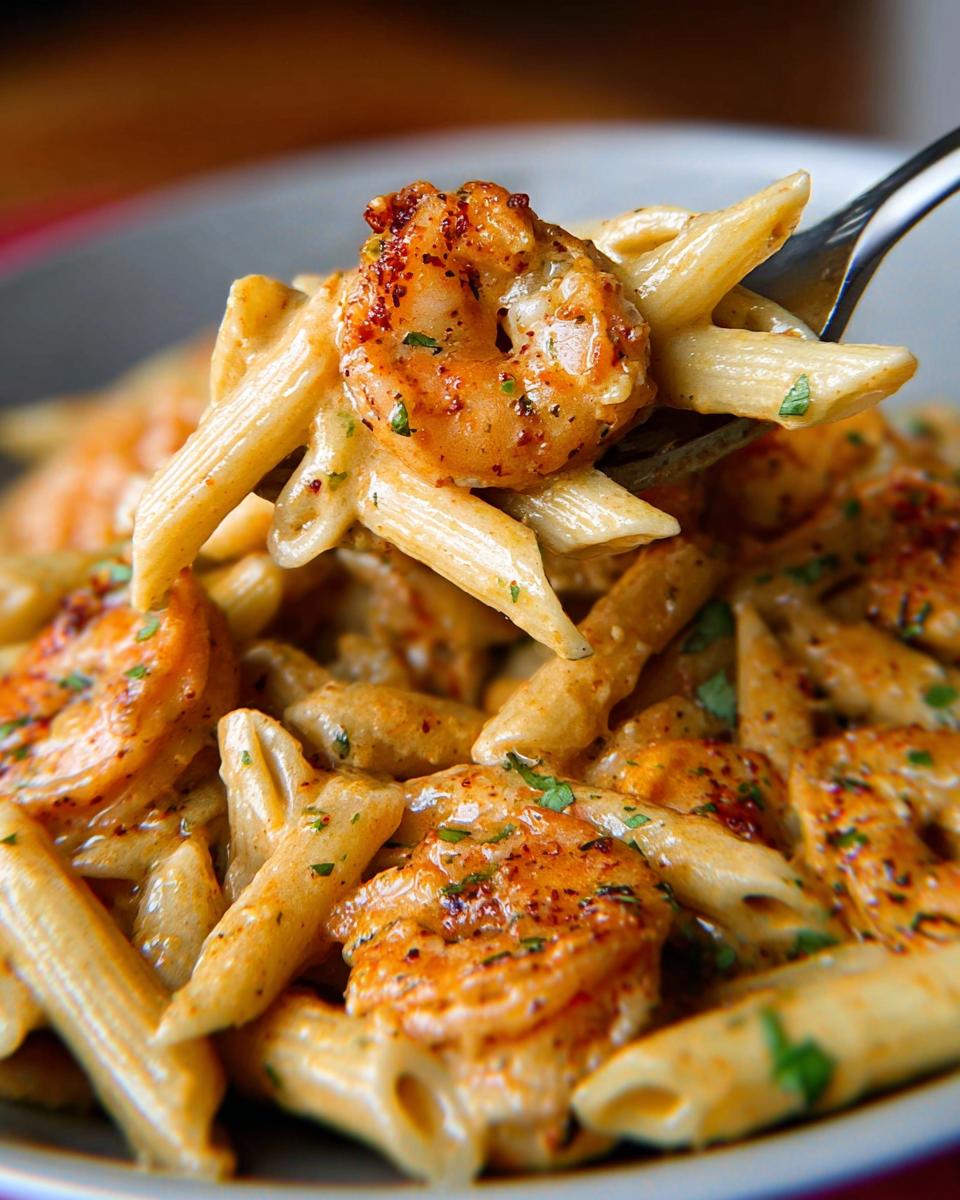
If you want to learn more about how I approach these kinds of kitchen challenges, check out my About Me page!
Why This Cajun Shrimp Pasta Recipe is a Weeknight Meal Favorite
Honestly, this is my secret weapon when I need dinner on the table fast but don’t want to compromise on that wow factor. We are talking about a full, incredible meal in about 30 minutes total! That’s such a win for any busy schedule.
Because we keep the steps focused—seasoning the shrimp while the water boils—it flies by. It truly is the perfect Quick Seafood Dinner for when you’re craving something indulgent but light enough for the middle of the week. Plus, since we use gluten-free pasta, it makes it a reliable go-to Weeknight Meal for the whole family. You get maximum spice and creaminess with minimal cleanup time. You can even check out some of my other speedy solutions over at my quick dinner ideas page!
Essential Ingredients for Your Cajun Shrimp Pasta Recipe
When we’re talking about building real flavor, especially in something as bold as this Cajun Shrimp Pasta Recipe, the quality of what you put in absolutely matters. Because we are working with delicate gluten-free pasta and a rich cream base, every single ingredient plays a starring role. Seriously, don’t just grab the nearest pre-grated cheese—it makes a difference!
If you’ve ever worked on creating a homemade sauce, you know that the right foundation is key. For dairy-free options or specialized bases, I have some great tips on making a great gluten-free roux, but for this one, we rely on heavy cream and good parmesan to get that luxurious texture.
For the Pasta Base
For the pasta itself, we need 8 ounces of penne pasta—it holds up beautifully against the thick sauce. Don’t forget that tablespoon of kosher salt for your water; this is your first chance to season the pasta from the inside out!
For the Shrimp and Spicy Cream Sauce
The star is 1 pound of raw shrimp. You must make sure those are deveined, cleaned, tails off, and patted bone-dry with paper towels. Wet shrimp steam instead of sear, and we want golden crusts here! For the seasoning, use 2 tablespoons of Cajun seasoning, but listen to me: if you’re using a store-bought blend, maybe start with 1 tablespoon because they can be seriously salty. We need 1 tablespoon of olive oil and 1 tablespoon of butter to get the perfect sear going. Then, for the luxurious part, grab 1 cup of heavy cream and about a half-cup of Parmesan cheese. And please, for the best melt, use cheese you’ve grated yourself with a microplane—it melts into that stunning Spicy Cream Sauce so much better!
Equipment Needed for This Cajun Shrimp Pasta Recipe
Okay, let’s talk tools! Since this is a relatively quick seafood dinner, we aren’t pulling out every single gadget we own, which is another reason this is such a great Weeknight Meal option. Setting out what you need beforehand is half the battle—this is called *mise en place*, and it stops me from panicking halfway through!
You’ll need a large pot for boiling up that gluten-free pasta, which shouldn’t be forgotten! Then, you need a large skillet; this is where all the flavor magic happens, from searing the shrimp to building that beautiful Spicy Cream Sauce. Don’t skip the bowl for seasoning the shrimp; tossing them separately ensures every single bite is coated perfectly.
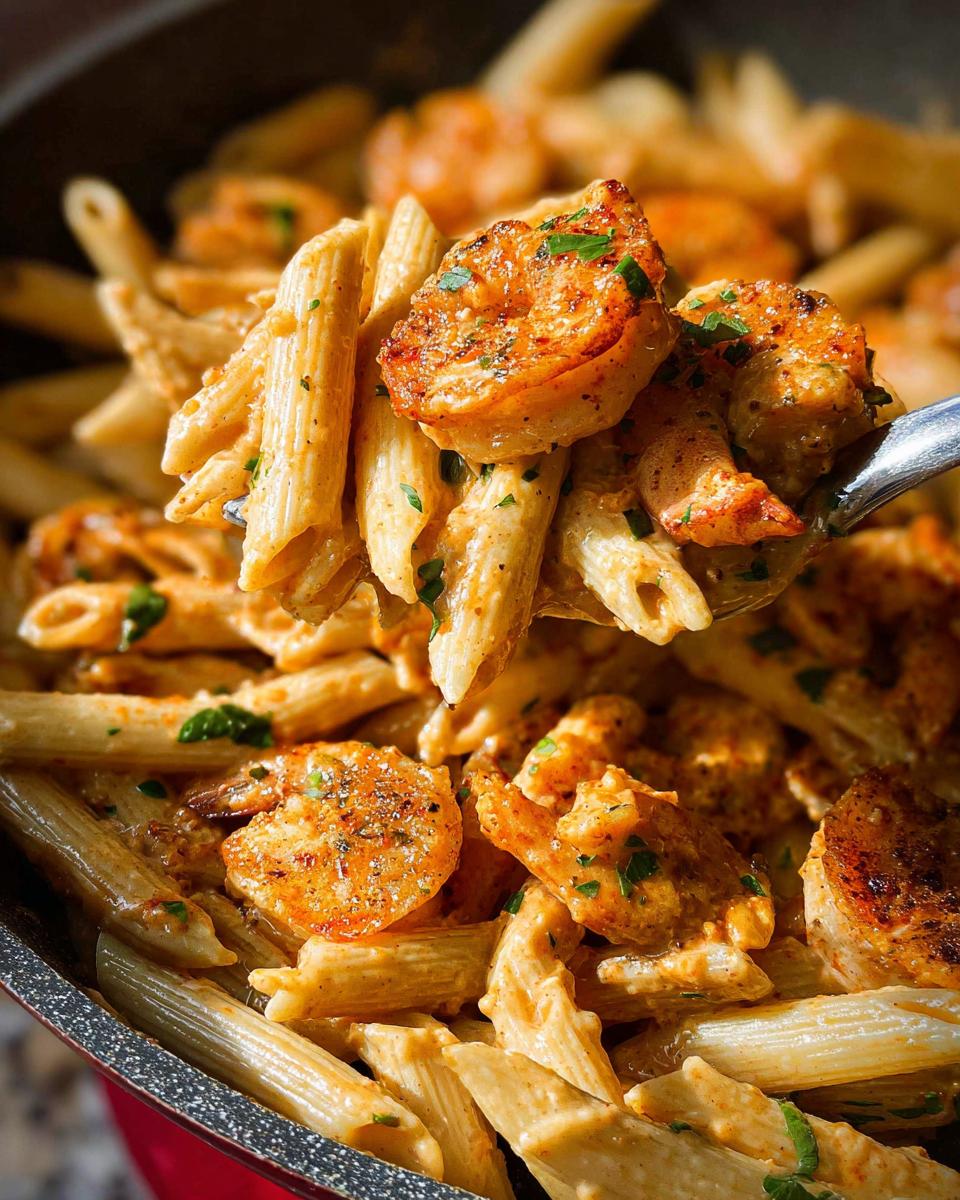
Speaking of coating, I always need a good Microplane handy—it’s essential for getting that Parmesan cheese fine enough to melt seamlessly into the sauce. You’ll also need a plate ready to pull that perfectly cooked shrimp onto. We want the best outcome while keeping the cleanup manageable, and having everything ready helps us keep that focus over at my minimal cleanup page!
- A large pot (for the pasta).
- A large skillet (seriously, make sure it’s big enough to hold everything at the end!).
- A standard mixing bowl (for seasoning).
- A Microplane or fine grater (non-negotiable for the cheese!).
- A plate (to hold your cooked shrimp temporarily).
Step-by-Step Instructions for the Cajun Shrimp Pasta Recipe
Listen, the key to keeping this whole process smooth—and keeping the stress levels low—is timing! You want to get your pasta water going at the same time you start seasoning your shrimp. If you wait, you’ll be rushing the sear later. Check out all my recipes ready to go when you are over at my recipe index!
Preparing the Shrimp and Water
First things first: grab that bowl and toss your 1 pound of beautifully patted-dry shrimp with the 2 tablespoons of Cajun seasoning and 1 tablespoon of olive oil. Make sure everything is evenly coated before you set them aside. Simultaneously, get that large pot of water on high heat and toss in 1 tablespoon of kosher salt. We are using salt liberally here, so trust the process!
Cooking the Pasta and Shrimp
When the water hits a rolling boil—and I mean a real boil—add your 8 ounces of penne pasta and cook it until it’s perfectly al dente. This won’t take long, so keep an eye on it. Right before you drain it, use a measuring cup to scoop out at least half a cup of that starchy noodle water; seriously, do not forget this step! Drain the pasta and set it aside.
As soon as that pasta hits the water, turn your large skillet to medium-high heat and add the 1 tablespoon of butter. Place your seasoned shrimp in the skillet in a single layer. Cook them until they are golden brown on one side, turn them just once, and then immediately transfer the cooked shrimp onto a clean plate. We want quick, hot cooking; we don’t want them tough!
Building the Spicy Cream Sauce
Bring that heat down to medium now that the shrimp are out. Pour in the 1 cup of heavy cream directly into the hot pan. Use your wooden spoon or spatula to really scrape up all those lovely, spicy, seasoned bits stuck to the bottom—that’s where the flavor lives! Let the cream bubble just slightly around the edges, then immediately reduce the heat way down to low. Now, slowly stir in that finely grated Parmesan cheese until it melts smoothly into that glorious, rich Spicy Cream Sauce.
Combining and Finishing the Cajun Shrimp Pasta Recipe
It’s time for everything to meet! Add your drained pasta and the seared shrimp right back into that skillet with the sauce. Stir everything gently but thoroughly until every piece of gluten-free pasta is coated in that creamy goodness. If it looks too thick—and sometimes it does when you’re managing dietary needs—slowly drizzle in reserved pasta water, one tablespoon at a time, until it loosens up to exactly the consistency you want. Give it a quick taste test and add a tiny pinch more salt if you think it needs it. You can see how I tackle tricky sauce textures over at this great resource!
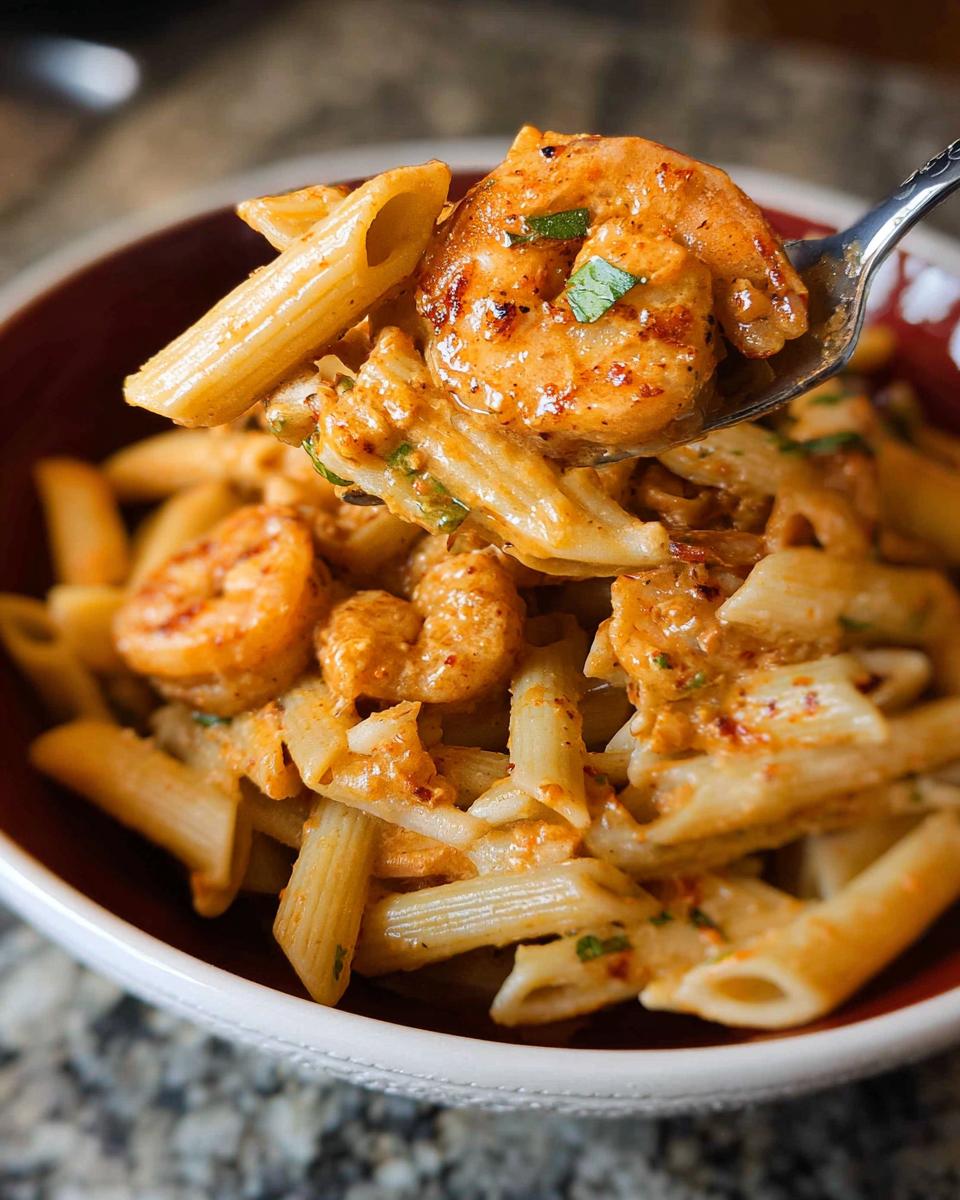
Expert Tips for the Best Cajun Shrimp Pasta Recipe
Now that you know the steps, I want to share a few crucial details that I figured out during all my recipe testing—especially when dealing with dietary needs. Think of these as my personal cheat sheet to ensure your Cajun Shrimp Pasta Recipe turns out absolutely perfect every single time. I obsess over these little things because they make the difference between a good pasta dish and one that tastes like it came from a top Cajun spot!
The biggest thing people struggle with is the seasoning level. If you use a store-bought Cajun blend, you have to be careful! Those commercial blends often have way more salt than homemade ones, so don’t just dump in the full 2 tablespoons I listed. Start small, maybe begin with one tablespoon, and then taste before you add any extra salt at the end. Remember, you can always add salt, but taking it out? Forget about it!
Another tip that saves the sauce texture every time is the cheese. My note mentioned grating it from a block using a microplane? That’s not me being fussy; it’s science! Pre-grated cheese is coated in anti-caking agents, which means it clumps instead of melting beautifully into your Spicy Cream Sauce. Grating it finely helps that cheese disappear smoothly into the heat.
And hey, life happens, right? Sometimes you run out of shrimp or just feel like changing things up. This recipe is super flexible for protein swaps! Chicken breast or even scallops work wonderfully instead of shrimp. If you’re trying chicken, check out my guide on how to make sure your chicken stays tender—it pairs perfectly with this spice level. Whatever protein you choose, make sure you cook it hot and fast so it doesn’t dry out before you build that rich sauce!
Making This Cajun Shrimp Pasta Recipe a Crowd Pleaser
I love serving this Cajun Shrimp Pasta Recipe when we have friends over because it hits that sweet spot: it feels fancy, tastes incredibly complex, but you made it in under 30 minutes! It truly is designed to be a Crowd Pleaser, even if you have people worried about trying spicy food or those insisting on gluten-free options. The creaminess totally balances out the Cajun heat, which is always a winning combination.
When I’m plating this up for company, I try to make it look as good as it smells! I always make sure to drain the pasta well so the sauce clings instead of pooling at the bottom of the bowl. Then, I nestle the shrimp on top so they are visible. A sprinkle of fresh parsley—even though it’s not officially in the recipe, it screams color!—or just a tiny dusting of extra paprika on the very top really elevates the presentation.
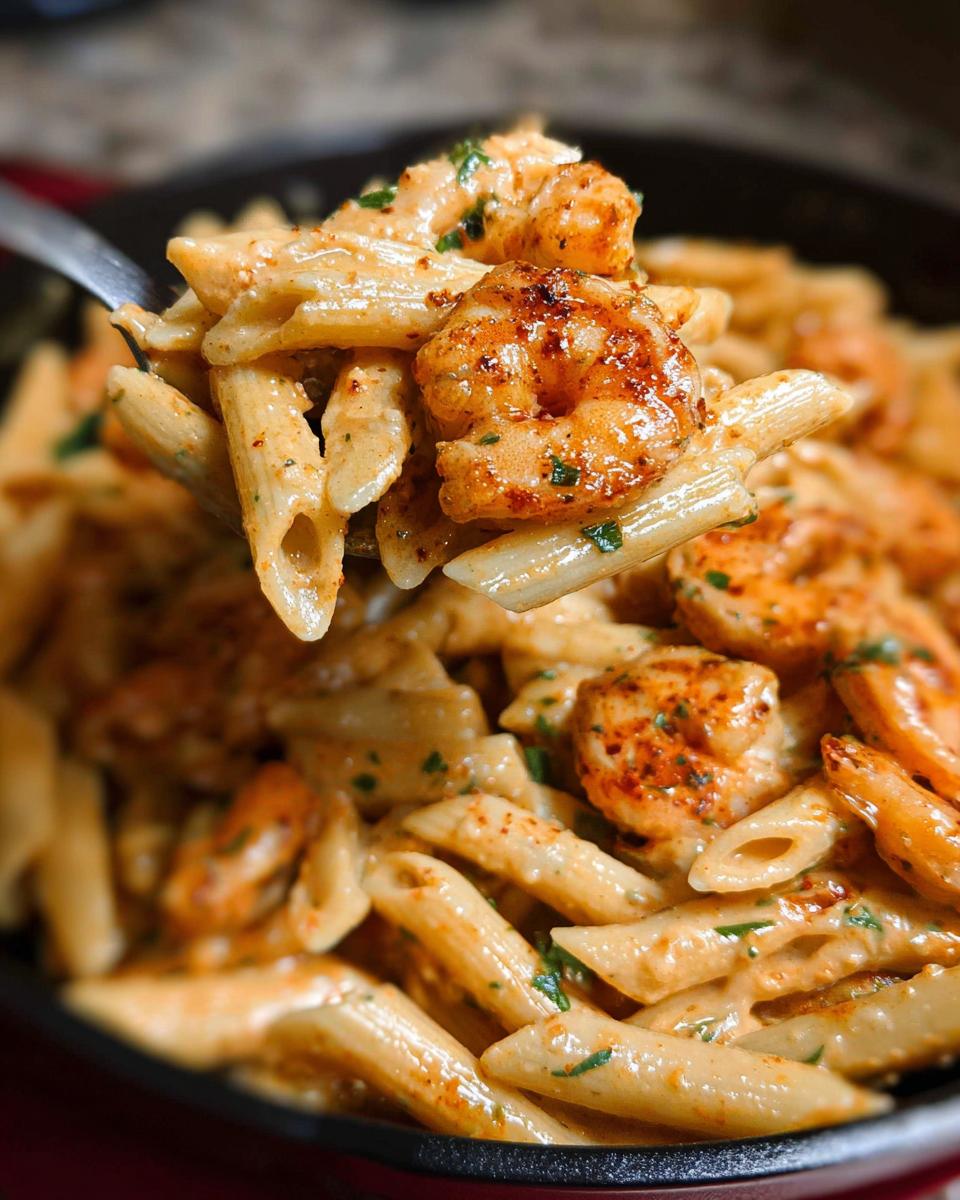
It turns simple leftovers into restaurant-quality meals too, which is fantastic. If you want to know how I manage to make simple home dinners feel like dining out, you have to check out some of my ideas for restaurant-style dinner ideas at home. But trust me, this shrimp pasta is already stealing the show before you even sit down!
Storing and Reheating Your Cajun Shrimp Pasta Recipe
Okay, leftovers! This Cajun Shrimp Pasta Recipe is so good you’ll definitely want some for lunch the next day. You can safely keep any extras sealed up tight in the fridge for about three days. We want to keep that Spicy Cream Sauce happy, so make sure it’s in a truly airtight container.
Reheating is where people sometimes mess up the creaminess, oops! Don’t just blast it in the microwave staring at it hoping it looks right. The sauce often thickens too much when cold. The trick is to reheat slowly over low heat on the stovetop, and this is essential: add a tiny splash of milk or even some extra reserved pasta water you saved!
This helps loosen everything back up, making it silky smooth again. This method keeps it tasting fresh and avoids breaking that beautiful cream base. For more tips on making meals last, take a look at my thoughts on meal prepping for busy weeknights!
Frequently Asked Questions About This Cajun Shrimp Pasta Recipe
I get so many great questions about making this dish perfect, especially since we’re navigating gluten-free territory! It’s totally normal to wonder about tweaks, so I put together a quick FAQ covering the things I hear most often about my favorite Cajun Shrimp Pasta Recipe. If you ever have more questions about recipe testing or cross-contamination safety, please drop me a line on my contact page!
Can I use a different type of gluten-free pasta in this Cajun Shrimp Pasta Recipe?
Oh, absolutely! While I love penne because those ridges grab onto every bit of that creamy sauce, any good thick shape will work perfectly well. Think about shapes that offer a nice cup or groove for holding the sauce. I’ve had great success with gluten-free linguine—it catches the sauce almost like a ribbon—or even rotini if you want something fun for the kids. Just be sure to follow that crucial step: reserve plenty of that starchy cooking water, even if you switch shapes, because that’s what ensures you get a beautifully coated Cajun Shrimp Pasta and not a dry mess!
How do I make the Spicy Cream Sauce milder?
That’s a great question, particularly if you’re worried about making it too hot for picky eaters or little ones. The heat in our Spicy Cream Sauce comes mostly from cayenne pepper and any red pepper flakes that might be in your seasoning. If you are making your own Cajun Shrimp Pasta seasoning blend, just cut the red pepper flakes way back or skip them entirely!
If you’re using a pre-made blend, I always suggest starting with just one tablespoon of the seasoning, then tasting the sauce *before* adding the shrimp back in. That way, you can add half a teaspoon more seasoning if needed, or just accept that slightly milder heat and know you’ve made a winner everyone can enjoy!
Nutritional Estimates for the Cajun Shrimp Pasta Recipe
Now, I know some of you are tracking things, and that’s totally fair! You want to know what you’re getting when you enjoy this rich, flavorful Cajun Shrimp Pasta Recipe. So, here’s a look at what we’re estimating for a single serving of this delightful meal based on the standard ingredients used here.
Remember, because we are working with a homemade spice blend and real heavy cream, these numbers are just an educated starting point. If you swap out the heavy cream for half-and-half, or if your store-bought seasoning is saltier than mine, these numbers absolutely change! I always say, cooking for your family means adjusting to *your* kitchen needs, so use these as a guide, not a hard-and-fast rule! For more ways to balance flavor and diet goals, check out my post on 27 low-carb meals your picky eaters will actually love!
For a single serving of this spicy, creamy goodness, here are the approximations:
- Calories: About 429
- Total Fat: Roughly 22 grams
- Protein: Around 24 grams
- Carbohydrates: About 30 grams
- Saturated Fat: About 12 grams
- Sodium: Whoa, watch this one! Almost 1919 mg—this is why tasting before salting at the end is so important for this Cajun Shrimp Pasta!
Like I mentioned, these estimates are based on using the ingredients as listed for 4 servings. If you’re cutting this down for just two people, you’ll need to multiply the ingredients by roughly two if you want to keep the ratios exactly the same! But honestly, this dish reheats so well, I just make the full batch!
Share Your Experience Making This Cajun Shrimp Pasta Recipe
Phew! If you’ve made it this far, you’re ready to transform your kitchen into a little slice of Louisiana, all while keeping things gluten-free! Honestly, after all these years of tweaking, testing, and adjusting, this Cajun Shrimp Pasta Recipe still gets a huge reaction at our table, and I really hope it does the same for yours.
But I want to hear all about it! Did you try adding scallops instead of shrimp? Did you manage to keep the heat level perfect for your family? Tell me! The best part of sharing these deeply personal recipes like this one is seeing how you make them your own. Head down below and leave me a rating—even a star rating helps other busy home cooks know this is worth their time!
If you snap a picture of that gorgeous, creamy skillet full of Cajun Shrimp Pasta, please tag me on social media! I absolutely live for seeing my recipes out in the real world being enjoyed. It tells me I’m headed in the right direction!
If you’re always looking for that next guaranteed-to-please dinner idea, check out my post on dinner ideas everyone asks for—they are always winners!
Thank you so much for cooking along with me today. Happy sizzling!
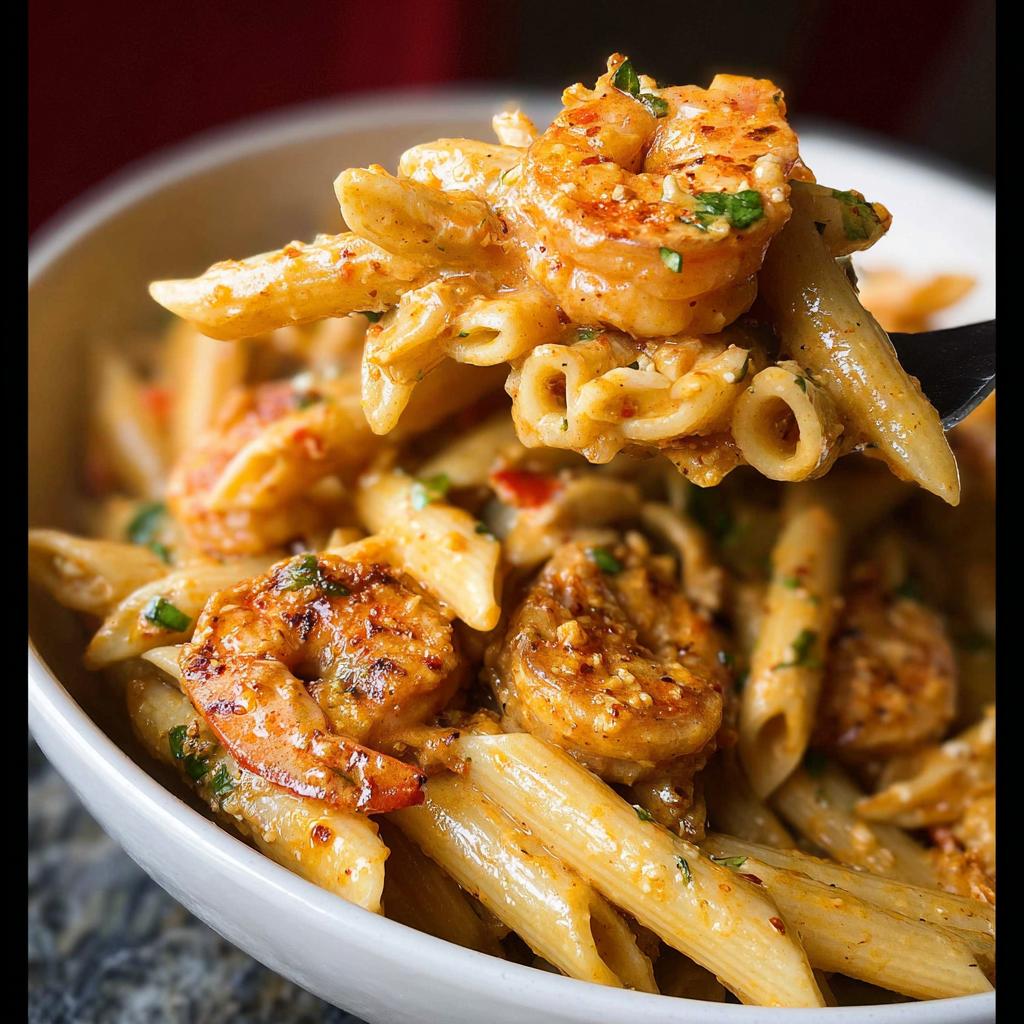
Cajun Shrimp Pasta Recipe
Ingredients
Equipment
Method
- Prior to cooking, prep all of your ingredients. You will want to add the pasta to the water around the same time you start cooking the shrimp.
- Combine the shrimp with the Cajun seasoning and olive oil in a bowl. Toss to combine.
- Add kosher salt to a pot of water and bring to a boil. At the same time, heat a large skillet over medium-high heat.
- Add the penne pasta to the salted boiling water and cook to al dente doneness. Before draining, scoop out at least 1/2 cup of the cooking water. This will be reserved to thin the sauce, if needed. Drain pasta and set aside.
- As soon as you add the pasta to the water, add the butter to the skillet and melt. Add the seasoned shrimp in a single layer and cook until golden brown on each side, turning only once. You may have to cook shrimp in two batches to allow enough room. Once they are done cooking, transfer the cooked shrimp to a clean plate and reduce the heat to medium.
- Add the heavy cream to the pan and scrape the bottom with a flat wooden spoon to release any seasoning that stuck to the skillet. Allow the cream to bubble around the edges. Reduce the heat to low and stir in the parmesan cheese to melt.
- Add the cooked pasta and shrimp and stir to coat. If the sauce needs to be thinned, add the reserved pasta water, one tablespoon at a time, until the desired consistency is achieved. Taste and add additional salt, if desired.
Nutrition
Notes
Tried this recipe?
Let us know how it was!
Dual-Restriction Recipe Engineer & Cross-Contamination Specialist
Everything changed when my teenage son got hit with celiac disease and Type 1 diabetes diagnoses within six months of each other. Suddenly, pizza and pasta were off the table, and most “diabetic-friendly” foods contained gluten. I went from regular mom cooking to navigating what I call “compound restriction cooking”—and I had a kid’s appetite and taste buds to satisfy.
Lucky for us, my background in pharmaceutical quality control gave me the systematic mindset this level of precision requires. My kitchen now operates under pharmaceutical-grade protocols adapted for home use: dedicated prep surfaces, separate storage systems, and testing procedures that verify both carb counts and gluten absence before any recipe gets published.
I’ve developed over 220 recipes that clear multiple dietary hurdles simultaneously—finding gluten-free thickeners that don’t spike blood sugar, creating bread alternatives that meet both keto ratios and celiac safety, and developing desserts that actually taste good to a teenager despite impossible restrictions.
Through my “Safe Kitchen Certification” program, I teach other parents that managing multiple dietary restrictions isn’t about multiplying limitations—it’s about systematic thinking that reveals unexpected possibilities. When you engineer solutions instead of making compromises, restriction becomes innovation rather than deprivation.