
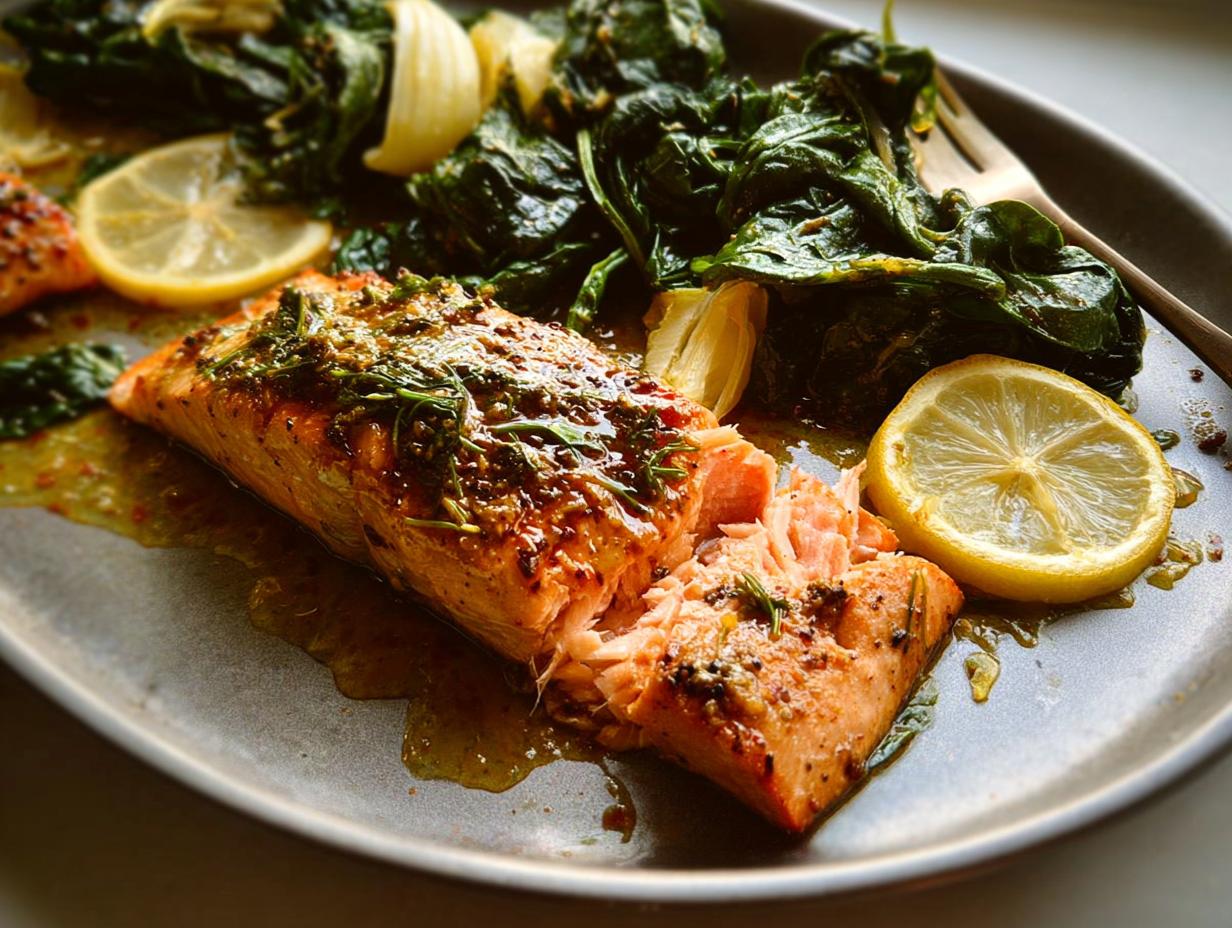
I live for those dinners that look like they took hours of delicate plating but actually came together in under 30 minutes. If you’re anything like me—wanting stunning results without sacrificing your evening—then this recipe is your absolute new best friend. Trust me, when I was stuck inside during one particularly quiet evening, needing an outlet for my culinary creativity, I stumbled onto this perfect combination. That night, I invented the Maple Dijon Salmon Sheet Pan. It takes simple ingredients and makes them shine. The sweet and tangy aroma that filled my kitchen felt like a mini-escape, proving you can make beautiful, healthy food, even on the busiest weeknights. To learn more about my culinary journey, check out my About Me page!
Why This Maple Dijon Salmon Sheet Pan is Your New Weeknight Staple
Honestly, if a meal doesn’t offer amazing flavor but requires what feels like a full kitchen shutdown afterward, I’m usually not interested on a Tuesday night. That’s why this Sheet Pan Dinner is a game-changer! It’s got that gorgeous, restaurant-quality look without the mess.
You get incredible flavor from the maple Dijon glaze, vibrant color from the roasted veggies, and the best part?
- Zero fuss with multiple burners.
- Dinner on the table in half an hour.
- Seriously, the Easy Cleanup means you’re done cooking before the evening news even starts.
If you’re looking for similar minimal-fuss options, I’ve collected a bunch of my go-to one-pan dinner ideas that keep your stress levels low!
Quick Prep and Total Time for Your Maple Dijon Salmon Sheet Pan
Let’s talk time because that’s the real selling point here. You only need about 15 minutes of active prep time. Seriously, grating garlic and mixing the glaze takes minutes. Then, slide it into the oven for another 15 minutes of cooking time. That’s it! It’s perfect for fitting into your Quick Meal Prep rotation, leaving you more time to actually enjoy eating the food instead of cleaning up after it.
Gathering Ingredients for the Maple Dijon Salmon Sheet Pan
Okay, I know some people get stressed about grocery lists, but this one is short, sweet, and packed with flavor. The magic of this Maple Dijon Salmon Sheet Pan really hinges on getting a few key items ready before you even turn on the oven. Remember, because this is a sheet pan meal, we aren’t using tons of extra bowls for everything—most of the action happens right there on the pan!
We’re splitting our list into two parts: the glaze that coats that gorgeous salmon, and the main players we’re roasting alongside it. If you like making quick cooking happen, check out my guide on 5 ingredient dinner ideas for inspiration!
Ingredients for the Maple Dijon Salmon Glaze
This glaze is the star! You need 2 tablespoons of Dijon mustard mixed with 1 tablespoon of maple syrup. Don’t skimp on the fresh herbs here; you’ll need 1/4 cup of finely chopped dill—trust me, that fresh dill makes such a difference against the sharp mustard. We finish the glaze blend with 1 tablespoon of olive oil and 1 teaspoon of freshly ground black pepper.
Components for the Salmon and Roasted Veggies
For the protein, grab 4 skinless salmon fillets, aiming for about 4 to 6 ounces each. For brightness, you need 1 medium lemon, which you’ll scrub well because we use both the zest and thin slices. We are adding flavor and liquid by using 2 garlic cloves that must be grated (or minced super fine!) and about 1/2 cup of dry white wine—if you aren’t using wine, vermouth, sake, or even vegetable broth works perfectly fine.
Finally, for the greens, take 2 medium bunches of spinach or Swiss chard (about 1 pound total); just make sure you tear those leaves roughly after removing any tough stems. A final drizzle of olive oil and a little salt on the greens finishes the setup!
Step-by-Step Instructions for Your Maple Dijon Salmon Sheet Pan
Alright, let’s get this beautiful Maple Dijon Salmon Sheet Pan into the oven! I promise this is the easiest part, even though it moves fast. You’ll be surprised how quickly these simple steps lead to perfectly cooked salmon and tender Roasted Veggies. Remember, preparation is everything when you are moving this quick!
Before you do anything else, get that oven fired up. You need it roaring hot at 400 degrees F (200 degrees C) with the rack right in the center. You can check out my guide on foolproof cooking temperatures if you’re nervous, but this temp is key for a good sear!
Preparing the Oven and Maple Dijon Glaze
First things first with our prep: we’re assembling that incredible glaze. Grab a small bowl and whisk together the Dijon mustard, maple syrup, all that chopped fresh dill, 1 tablespoon of olive oil, and the black pepper. Now, for the flavor boost—you need to grate your two garlic cloves and the zest from your lemon directly into that bowl. Give it a quick, enthusiastic stir until it’s all combined nicely. While that sits, grab your sheet pan. Thinly slice up the rest of your lemon and arrange about eight rounds in pairs across the bare pan. This is where the salmon will sit!
Assembling and Baking the Maple Dijon Salmon Sheet Pan
Time to handle the salmon! Take your fillets and just pat them dry with a few paper towels—this helps the glaze stick and prevents steaming. Give them a light sprinkle of salt. Now, place each fillet right on top of those lemon pairs you arranged. You want to paint that maple Dijon mixture right over the top and sides of every piece of fish. Don’t be shy with it!
Next, toss your torn spinach or chard around the outside of the salmon. I drizzle the greens with the remaining 1 tablespoon of olive oil and a pinch more salt. Crucially, pour your 1/2 cup of white wine (or broth) onto the empty parts of the sheet pan—this steams up in the oven and keeps everything wonderfully moist. Slide it in and let it bake for 12 to 15 minutes. You’re looking for the salmon to flake easily. If you want more formal confirmation, you can find a similar technique over at the New York Times recipe source, but trust my timing!
Tips for the Perfect Maple Dijon Salmon Sheet Pan Experience
Even though this Maple Dijon Salmon Sheet Pan is meant to be easy, there are a couple of little secrets I picked up that make sure you get that restaurant quality without the fuss. It’s all about respecting the salmon and giving everything some space to breathe in that hot oven.
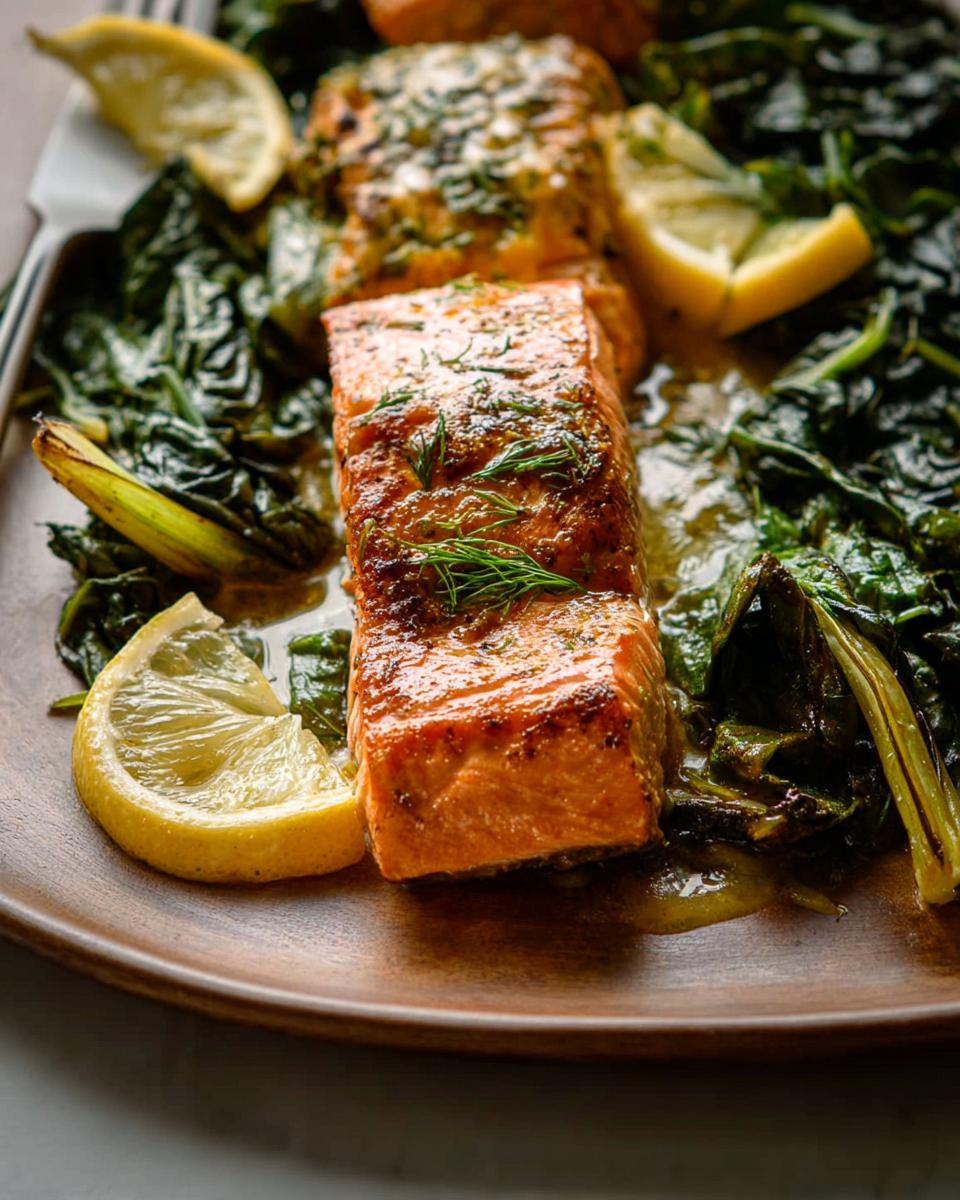
First up, let’s talk about the fish itself. If you happen to grab salmon with the skin still on—no worries at all! Just make sure you place it skin-side down directly onto the sheet pan. Once everything cooks through, the skin usually peels right off, leaving you with beautifully clean, glaze-topped fillets. You can find tips on making other proteins just as perfect in my guide about crispy and juicy cooking.
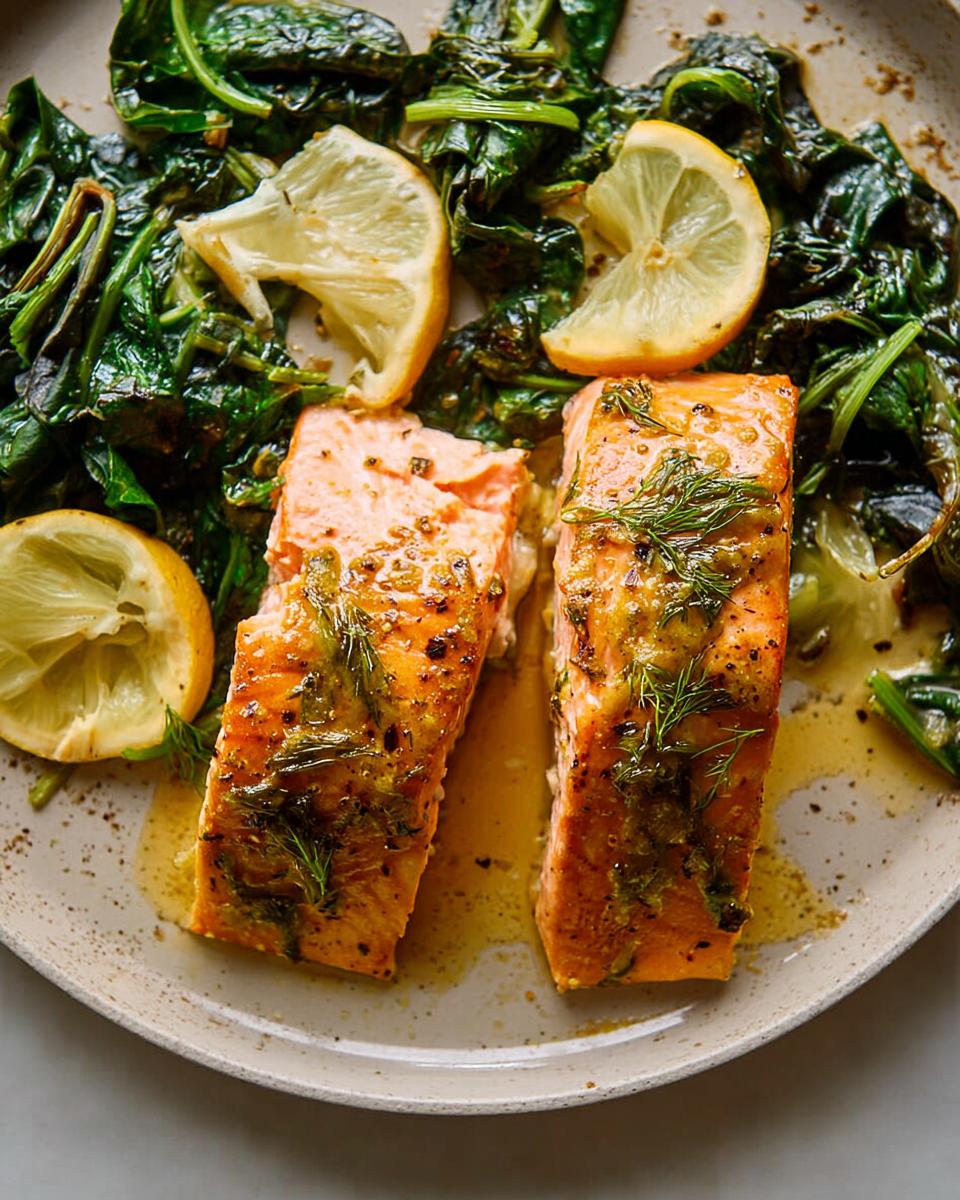
The biggest mistake people make with any Sheet Pan Dinner is crowding it. If you pile your salmon and veggies too close together, they end up steaming instead of roasting, and we definitely don’t want soggy veggies or salmon! Make sure there’s a little breathing room between your fillets and the greens. This separation allows that 400-degree heat to circulate properly, guaranteeing you get that lovely caramelized edge on the glaze and perfectly tender Roasted Veggies. Give it space, and it will reward you!
Ingredient Notes and Substitutions for Your Maple Dijon Salmon
I always tell people that cooking should be flexible—life throws curveballs, and sometimes your pantry dictates the menu! The great thing about this Maple Dijon Salmon Sheet Pan recipe is that it’s incredibly forgiving, as long as you respect the core flavor profile of sweet, tangy, and fresh.
You really want to nail that glaze, though! The Dijon and maple are non-negotiable for achieving that signature sweet-and-sour hit. But when it comes to the supporting cast, we have some wiggle room. For more flexibility in your cooking needs, make sure you check out my ultimate guide to ingredients, temperatures, and tips!
What to Use Instead of White Wine?
That little splash of white wine in the pan is there to create steam, keep things moist, and add a subtle background complexity. If you want to keep it out of your dish, that’s totally fine! You can easily swap it for an equal amount of dry vermouth if you have some around, or perhaps some sake if you have that hiding in the cabinet. If you prefer to keep things completely alcohol-free, vegetable broth works beautifully, too. Just pour that 1/2 cup right into the empty spaces on the pan before it goes into the oven.
Swapping Out the Greens: Spinach vs. Swiss Chard
I called for spinach or Swiss chard because they wilt down so nicely under high heat, making them perfect for a speedy Sheet Pan Dinner. If you grab Swiss chard, you must remember to hack off those tough, thick stems first and roughly tear the leaves—those hard stems won’t soften up in just 15 minutes!
If you don’t have either of those, feel free to use asparagus spears (toss them with the olive oil too!) or even some trimmed green beans. The key with any greens in this recipe is that they need to be thin enough to cook in the same time the salmon needs. Big, chunky root vegetables just won’t work here, or you’ll end up with raw carrots while your fish is overcooked. Stick to the quick-cooking crowd!
Serving Suggestions for Your Sheet Pan Dinner
So, you’ve pulled this glorious Maple Dijon Salmon Sheet Pan out of the oven. The greens are tender, the salmon is flaky, and that glaze is glistening. Perfection! But what do you serve alongside it to round out this gorgeous dinner? Because we are all about speed and efficiency here, we want sides that match that Quick Meal Prep vibe. We don’t want to introduce extra pots and pans if we can help it!
For more inspiration on fuss-free meals that look gourmet, take a peek at my recipe collection page. It’s full of ideas to keep your weeknights exciting!
Here are my favorite, super-quick pairings that handle that sweet and tangy profile of the maple Dijon perfectly:
- Simple Rice Pilaf: If you keep a batch of pre-cooked brown rice or quinoa in the fridge, just heat up a small portion. The earthy nuttiness of the grain is a great base for the glaze drippings.
- A Zesty Green Salad: Seriously, this is the easiest win. Toss some mixed greens with a super light vinaigrette—maybe just lemon juice, a tiny bit of olive oil, salt, and pepper. You want something bright to cut through the richness of the salmon, not compete with the glaze. Keep the dressing very simple!
- Roasted Potatoes (If you prep ahead): If you happen to have some small, pre-cooked baby potatoes, slice them in half and toss them with a touch of salt and roast them on the same pan next time for an upgrade. For this specific meal, though, stick to something lighter so you don’t overwhelm the plate.
Storing Leftovers of the Maple Dijon Salmon Sheet Pan
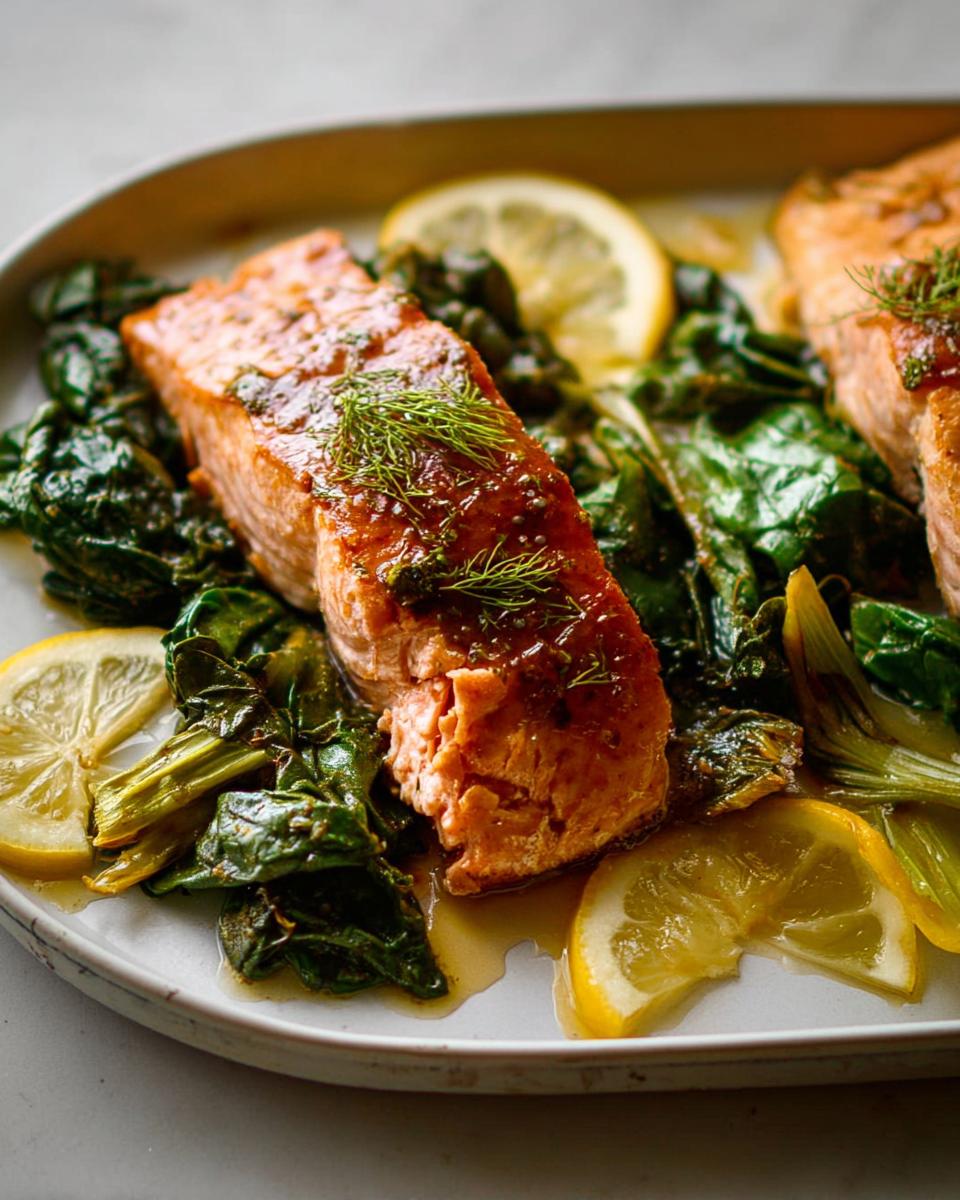
One of the best things about any great Sheet Pan Dinner is that it’s usually great for leftovers! If you’re smart about Quick Meal Prep, you’ll make an extra portion of this Maple Dijon Salmon just so you don’t have to cook tomorrow. I always look forward to cold, pre-flaked salmon on a salad the next day, but if you need it hot, I have tips for that too.
You can easily get 2 to 3 days out of any leftovers, but you have to treat them right! For more ideas on how to keep your weeknight cooking easy, bounce over and check out my collection of meal-prep friendly chicken ideas to see how I manage my fridge.
The Best Way to Store Your Sheet Pan Leftovers
Storage is super important for keeping that salmon from drying out or tasting funky later. Once the entire pan has cooled down completely—and I mean completely, hot food creates steam, which creates mushy leftovers—you need to get it into the fridge fast. I highly recommend an airtight container. Just layer it up: put any leftover roasted greens on the bottom, then nestle the salmon fillets on top. Don’t leave it sitting out on the counter trying to cool down; that defeats the purpose of having leftovers!
Reheating the Maple Dijon Salmon and Veggies
Now, here is where we need to be picky: please, please avoid the microwave if you can! The microwave heats salmon unevenly and turns that beautiful delicate texture into something rubbery. When reheating, the oven is your best friend.
Set your oven to about 300 degrees F. Place the leftovers (salmon and veggies together!) on a small piece of foil or a small oven-safe dish. Covering it loosely with foil will help trap some moisture while letting the exterior heat up nicely. Give it about 10 to 12 minutes, checking at the 10-minute mark. This gentle, slow heat keeps the fish flaky and warms those veggies through without cooking them into mushiness. It tastes almost as good as the first time around!
Frequently Asked Questions About the Maple Dijon Salmon Sheet Pan
I love hearing from you all after you try a recipe! The comments section for this Maple Dijon Salmon Sheet Pan is usually buzzing with great questions about tweaks and techniques. It’s wonderful seeing how everyone personalizes their Sheet Pan Dinner. Don’t hesitate to ask if you have something specific on your mind, but here are a few things folks ask me most often about getting this Weeknight meal just perfect!
If you are looking for more inspiration on fitting quick meals into your routine, you might like these dinner ideas for busy weeknights.
Can I use frozen salmon fillets for this Maple Dijon Salmon Sheet Pan?
You absolutely can, but you must be careful with the texture! You cannot just throw a frozen fillet straight onto the sheet pan—it’ll cook unevenly and you’ll end up with boiled edges and a cold center. My advice is to always thaw frozen salmon first. The best way to do this is overnight in the refrigerator. If you are in a total pinch and need it fast, you can place the sealed, frozen fillet in a bowl of cold water, changing the water every 30 minutes. Once thawed, pat it *extra* dry before seasoning and glazing. This little bit of extra step ensures you keep that nice flakey texture we are aiming for!
What vegetables work best with this Sheet Pan Dinner?
The greens we used—spinach or Swiss chard—are fantastic because they wilt down so fast right alongside the salmon. But you aren’t limited to just those! Since this is a quick-cooking meal, pairing it with other quick-cooking Roasted Veggies is the secret to success. I frequently swap in asparagus spears; they roast up beautifully with the glaze drippings. Trim the tough woody ends off first, give them a quick toss in some olive oil, and lay them right next to the fish.
Broccoli florets are another winner! If you use broccoli, try to cut the pieces into a similar size so they cook evenly within that 12 to 15 minute window. Just make sure not to overload the pan—remember, we want roasting, not steaming!
Why does my glaze keep burning during cooking?
Ah, sometimes the maple syrup can be a little too enthusiastic with the heat! Maple syrup is sugar, and sugar burns faster than butter or oil. This usually happens if your oven is too hot, or if you put the glaze on too early. Since the salmon only needs 12 to 15 minutes, you should apply the maple Dijon mixture right before it goes in the oven. If you find your oven runs hot, try sticking closer to the 12-minute mark, or perhaps try placing the sheet pan on a middle-lower rack where the heat source isn’t quite as direct. A slightly lower temperature (say, 375°F) might work if you increase the cooking time slightly, just keep an eye on that beautiful glaze!
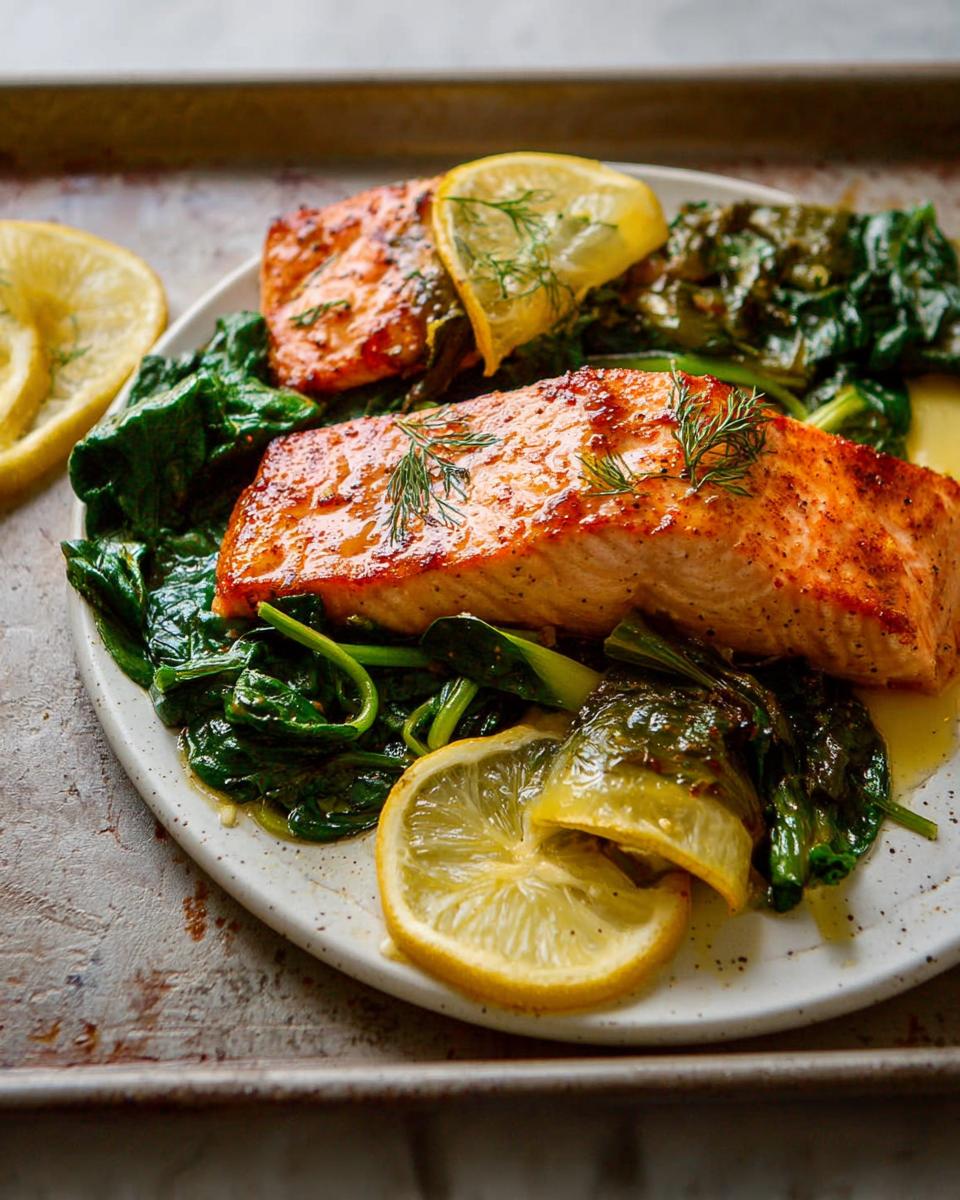
Share Your Maple Dijon Salmon Sheet Pan Creation
Wow, we made it! You now hold the secret to whipping up one of the most gorgeous, flavorful, and low-mess dinners out there. I truly hope this Maple Dijon Salmon Sheet Pan brings a little bit of that culinary joy and vibrant beauty into your own busy weeknight routine. Just like when I first created it, I want to see how this dish looks on *your* table!
The best compliment you can give me is trying it out and letting me know how it went. Did the glaze caramelize exactly right? Did your family love the dill and Dijon combo? Please, don’t hesitate to leave a rating and a comment below. It helps everyone who is looking for a fast, reliable weeknight dinner!
And please, if you snap a photo—because you know this dish is stunning—share it on Instagram or Pinterest and tag me! Tagging me is the best way to share your success. We cooks should always celebrate when we manage to create something truly delicious with minimal cleanup. Happy cooking, everyone, and I can’t wait to hear about your experience!
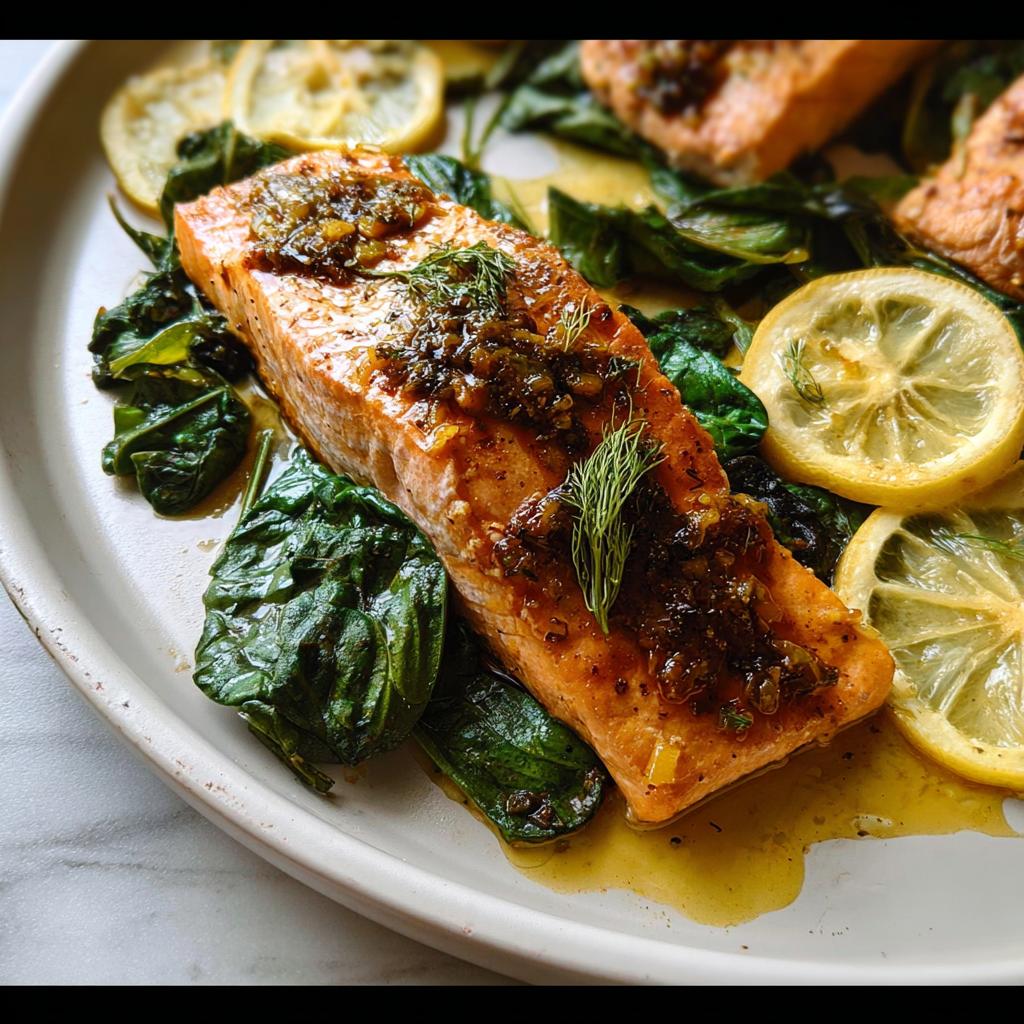
Maple Dijon Salmon Sheet Pan
Ingredients
Equipment
Method
- Preheat your oven to 400 degrees F (200 degrees C) with a rack in the center.
- In a small bowl, combine the Dijon mustard, maple syrup, chopped dill, 1 tablespoon of olive oil, and black pepper. Grate the garlic cloves and the zest of the lemon into the bowl. Stir everything together. Thinly slice the lemon into 8 rounds, remove any seeds, and arrange them in pairs on a sheet pan.
- Pat the salmon fillets dry with paper towels and season them lightly with salt. Place the salmon fillets on the sheet pan, with each fillet resting on two lemon rounds. Spread the mustard mixture evenly over the top and sides of each salmon fillet. Pour the white wine (or your chosen liquid) into the sheet pan.
- Arrange the spinach or Swiss chard around the salmon on the sheet pan. Drizzle the greens with the remaining 1 tablespoon of olive oil and season them lightly with salt. Bake for 12 to 15 minutes, or until the greens have wilted and the salmon flakes easily when pierced with a fork. Garnish with fresh dill sprigs and serve.
Notes
Tried this recipe?
Let us know how it was!
Visual Culinary Artist & Aesthetic Designer
When the pandemic killed my career as a luxury hotel photographer overnight, I was stuck in my studio apartment with nothing but time and vegetables. That’s when I started treating meal prep like photography projects—and discovered that the same principles that made five-star dishes camera-ready could turn humble zucchini noodles into social media gold.
My fine arts degree from Parsons taught me that people eat with their eyes first. After years behind the lens capturing haute cuisine, I realized that successful dieting often depends more on visual satisfaction than pure nutrition. When your food looks amazing, you actually want to stick with your eating plan.
My recipe development feels more like an art studio than a test kitchen. I use color theory to guide ingredient selections—purple cabbage with golden cauliflower, emerald herbs against ivory cheese. My “Edible Landscapes” series transforms standard low-carb ingredients into miniature scenic compositions that make vegetables feel aspirational rather than obligatory.
I spend evenings exploring art galleries and practicing watercolor painting, always looking for inspiration. My philosophy is simple: make low-carb food visually irresistible, and dietary compliance becomes an aesthetic choice rather than a health sacrifice.