
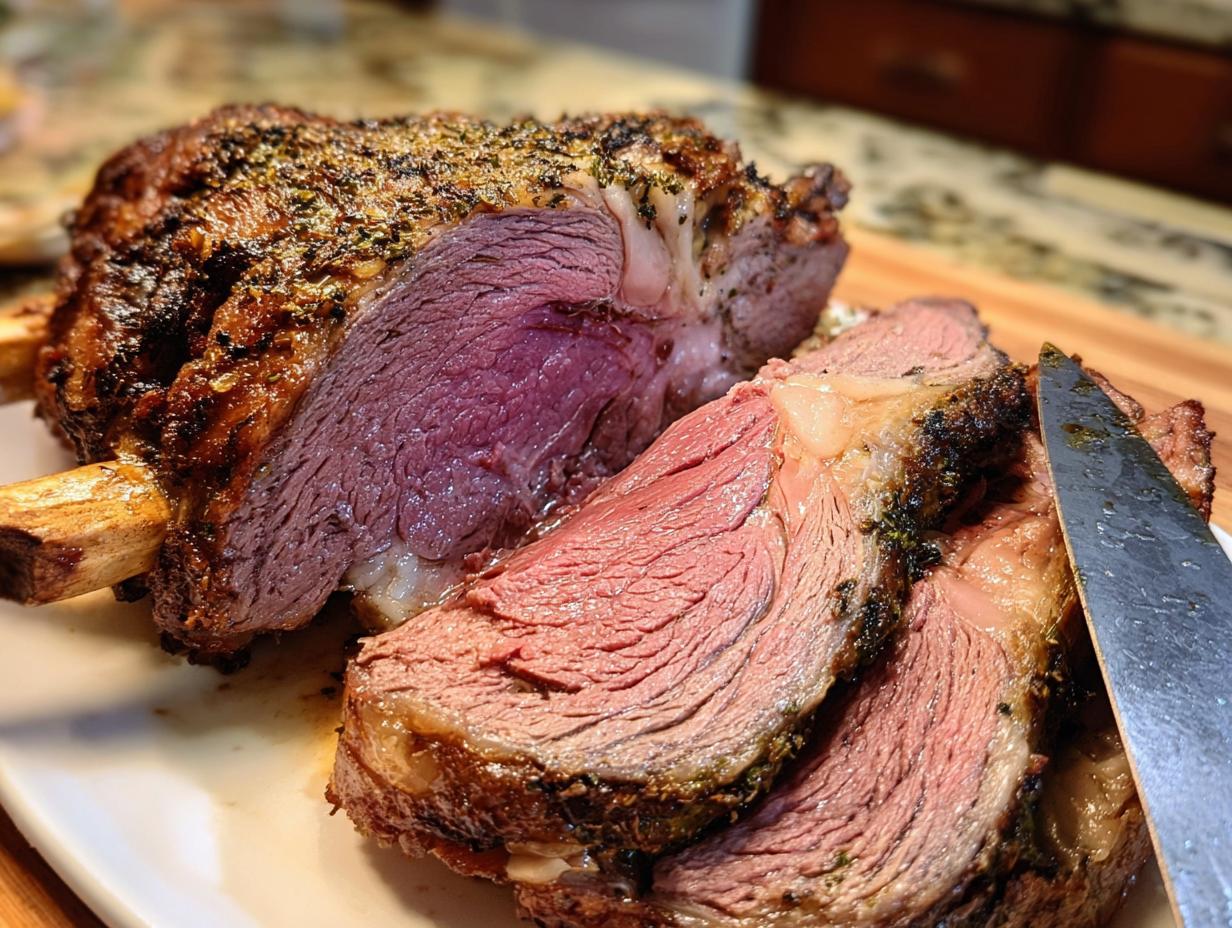
Oh, the holidays! That feeling when you dread opening your main oven door because you know it’s going to be a tight squeeze with all those side dishes, or worse, you know that massive roast is going to cook unevenly. Trust me, I get it. I used to stress about that every single year until I embraced my little secret weapon. Cooking Prime Rib in a Roaster Oven — Even, Tender, Simple is a total game-changer for keeping your main oven free and ensuring beautiful results every time.
I’ll never forget the first time I tried it. I was so nervous, but I treated the preparation like a meditative exercise—just focusing on the seasoning and the connection to the moment. As that incredible aroma filled the house, bringing everyone together, I realized this roast wasn’t just dinner, it was connection. As someone who focuses on emotional wellness but still loves to cook a spectacular centerpiece, finding this method was pure joy. It turned something stressful into a cherished tradition.
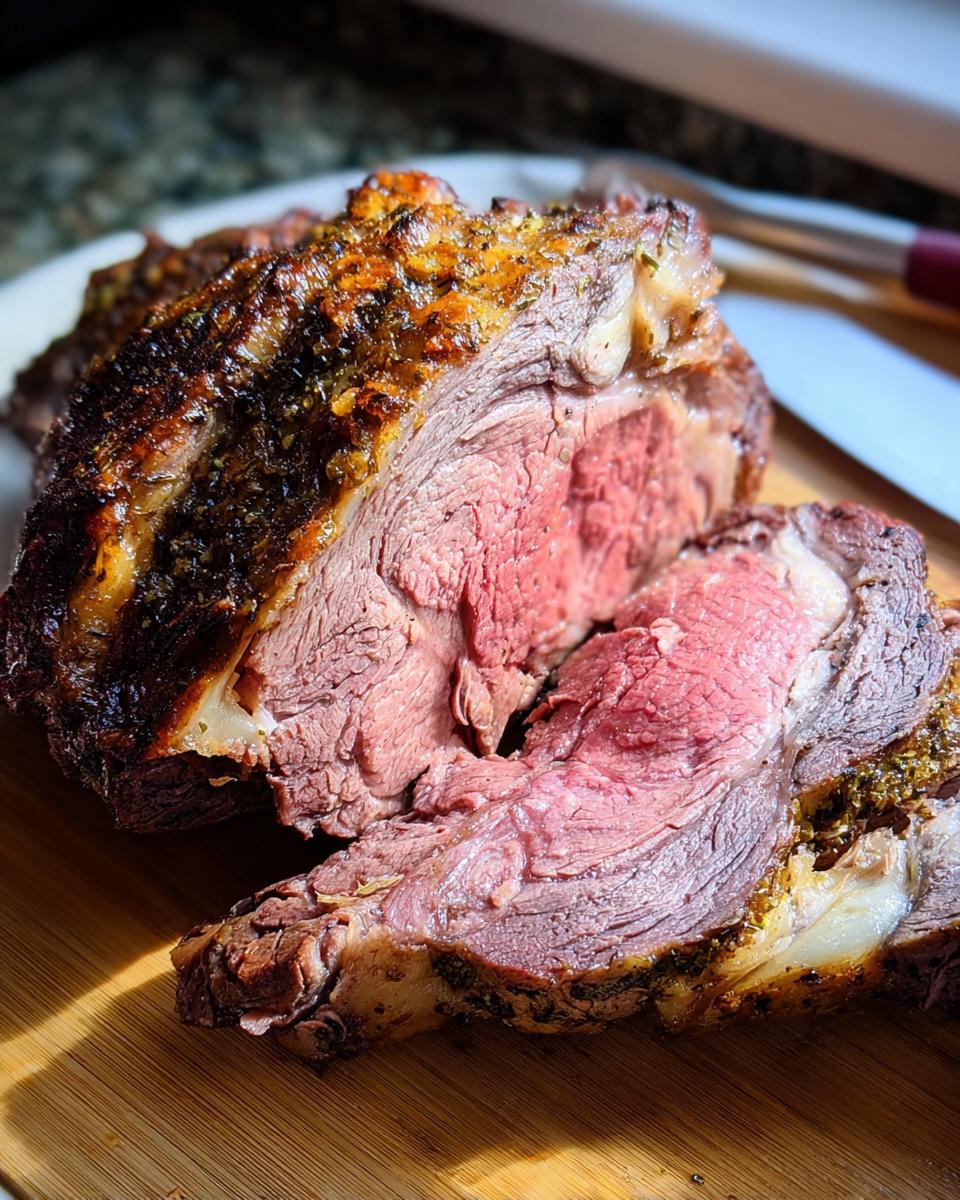
If you want that perfectly tender inside and a gorgeous brown crust without all the fuss, stick with me. You can find a bit more about my approach to finding calm in the kitchen over at my About page, but for now, let’s get you that beautiful, stress-free prime rib!
Why You’ll Love This Prime Rib in a Roaster Oven — Even, Tender, Simple Recipe
Honestly, once you make this, you might never go back to the big oven for your roast! The roaster oven is what makes this whole process so smooth. It’s designed to cook evenly, and that means less worrying for you. Here are just a few reasons why this is about to become your go-to holiday centerpiece recipe!
- No More Oven Crowding: Your main oven stays open for those potatoes, green beans, or that incredible casserole. Everything cooks at the right temperature!
- Unbeatable Evenness: Because the heat source surrounds the roast in the smaller chamber, you get a far more consistent internal temperature from edge to edge. That’s the secret to that “even” part of the title!
- Guaranteed Tenderness: We are skipping the liquid bath that steams your roast. The slight pre-sear followed by careful low roasting locks in all that beautiful juiciness.
- Simple Prep, Massive Flavor: The overnight seasoning step takes seconds but delivers an incredible depth of flavor that tastes like you worked all day.
- Perfect Crust Development: Cooking without added liquid in the roaster means that delicious, dark brown exterior—the crust you dream about—forms beautifully.
- Easy Cleanup: Cleanup is contained right there in the insert pan, which is so much easier to scrub down than my giant oven interior. Trust me on this one!
You can check out some other wonderful main course ideas right here, but I promise you, this prime rib stands above the rest when it comes to ease and visual appeal!
Essential Equipment for Prime Rib in a Roaster Oven — Even, Tender, Simple
The beauty of this method is that it relies on just a few key pieces of gear, with the electric roaster oven being our champion player. You definitely need the roaster itself, a sturdy rack that fits inside, and a rimmed baking sheet to season the roast on beforehand. Don’t skip that rack, either!
My little expert tip here is to make sure that rack sits absolutely level inside the insert pan. If it wobbles even a little bit, your butter bath underneath might run off unevenly during the sear. Stability equals even cooking, so check it twice!
Roaster Oven Selection and Placement
Since we are cooking a big hunk of beef, aim for a roaster oven that’s at least 18 quarts—you need plenty of space around the sides of that roast. This separation from the heat element is precisely what prevents those cold spots you get in a cramped conventional oven.
When you set up, just think about maximizing airflow. Keeping the roast away from the sides and having that stable rack means the hot air generated by the roaster can circulate freely, giving you that lovely, even exterior browning we want before we drop the temperature down.
Gathering Ingredients for Prime Rib in a Roaster Oven — Even, Tender, Simple
Sourcing the amazing ingredients for this roast is really satisfying because there just aren’t that many things you need! Quality counts here, especially for the meat itself. We aren’t hiding a cheap cut under heavy sauce; we are celebrating a spectacular piece of beef. I always buy my roast bone-in—about 10 pounds for a 10-pound roast gives you five wonderful ribs—but remember we tie those bones right back on so they help insulate the meat.
The seasoning paste is where the real magic happens. You need softened butter—don’t try to melt it, softening is key for spreading! Mix that with a generous amount of seasoned salt, fresh black pepper, onion powder, and garlic that you crush yourself. Using fresh garlic beats the jarred stuff every single time, it just sings louder!
If you want some other super simple ingredient ideas for a whole meal, check out my quick 5-ingredient dinner ideas post. Sometimes less really is more!
Step-by-Step Instructions for Prime Rib in a Roaster Oven — Even, Tender, Simple
Okay, here is where the cooking magic happens! Don’t feel overwhelmed; it really breaks down into a few simple passes. We are setting this roast up for success from minute one, and the roaster oven is handling all the heavy lifting for us. Before we even think about turning the heat on, we need to prep that beautiful beef. If you want to see how I make my chicken foolproof—which uses similar principles about temperature awareness—check out this guide, it always helps!
Preparing and Seasoning the Roast
First things first, we need to dry things off! Take the prime rib out and pat it down thoroughly with paper towels until it feels dry to the touch. This surface moisture is the enemy of a good crust. Then, whip up that garlic butter paste we talked about—just mix the softened butter, salt, pepper, onion powder, and minced garlic right on a clean baking sheet.
Use your fingers and really massage that paste all over the roast. Get it into every little nook and cranny! Now, for my big secret leverage: if you can manage it, stick that seasoned roast, uncovered, back into the fridge for 24 hours. That dry brine is unbelievably good for flavor penetration. If you can’t wait, just let it sit on the counter, uncovered, for at least two hours before it hits the heat. This lets the meat warm up just a touch.
Preheating and Initial High-Heat Sear
Time to fire up the machine! Preheat your electric roaster oven to a blazing 450 degrees F—or the highest setting you have, which might be 425°F. Put the rack in the bottom of the insert. We want this oven ripping hot before the roast even goes in, so give it a good 10 to 12 minutes to preheat properly. This initial blast is crucial for searing! Once it’s smoking hot, gently place your seasoned roast, fat-side up, onto the rack inside the roaster.
Cover it immediately. You’re going to cook it high, fast, and hot for just 25 to 30 minutes. This quickly sets that deep, golden-brown color on the outside. Don’t lift the lid during this time! You can find some great general roaster oven inspiration over at Chef Alli’s site, too.
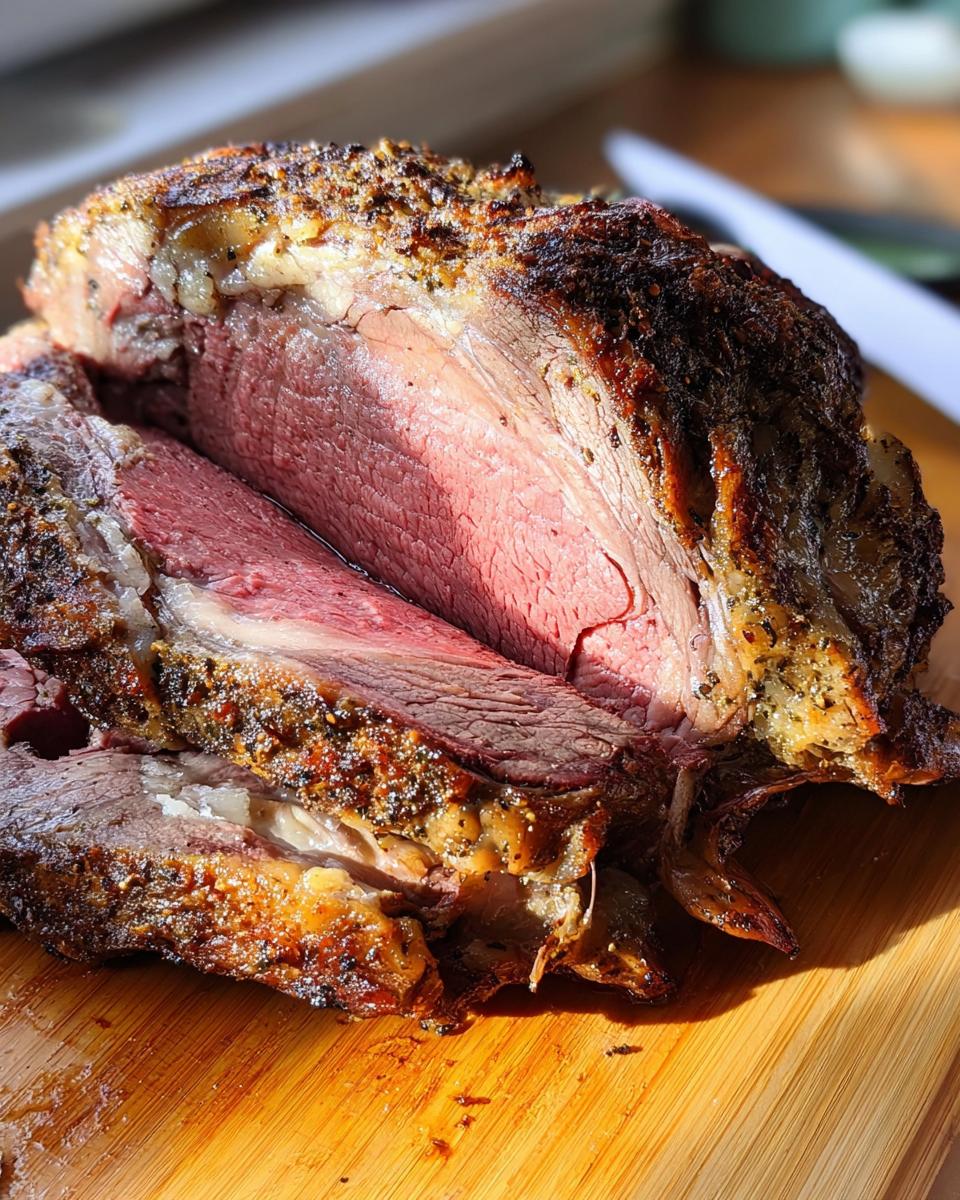
The Low and Slow Cook for Perfect Internal Temperature
Once that glorious crust has formed, we need to slow things way down to keep the inside tender. Reduce the roaster temperature down to a gentle 350°F. Now, we cook based on weight, planning for about 10 to 12 minutes per pound. This is where you absolutely must use a meat thermometer—please trust me on this! We are aiming for an Internal Temperature of 125°F for that perfect, juicy Medium Rare Prime Rib.
The Critical Resting Time for Prime Rib in a Roaster Oven
When that thermometer hits 125°F, pull that beautiful roast out immediately! Don’t you dare slice it yet! Place it on your cutting board and wrap it loosely, but completely, in aluminum foil. This Resting Time is non-negotiable; I let mine sit for a minimum of 15 to 30 minutes, sometimes longer for a roast this size. This allows all those wonderful juices, that we worked so hard to keep inside, to redistribute evenly throughout the meat. Skipping this step means serving a dry roast, and we definitely want that “Tender” promise fulfilled!
Achieving Perfect Doneness: Prime Rib Temperature Chart Guide
Here’s where things stop feeling like guesswork and start feeling like science, which is such a relief when you’re cooking a centerpiece roast! I used to rely totally on time, and honestly, I ended up with some slices that were just past medium, while the ends were pushing well-done. It was heartbreaking! The game completely changed the day I started religiously using my instant-read thermometer. That little gadget is what finally locked in that perfect Medium Rare Prime Rib for me every single time.
If you want to master this, you need to eyeball this simple Prime Rib Temperature Chart. Remember, the roast keeps cooking after you pull it out—that’s called carryover cooking—so you pull it *before* it hits your final target Internal Temperature.
Here’s the guide I live by:
- Rare: Pull it out at 115°F (Carryover to 120°F)
- Medium Rare (My Favorite!): Pull it out at 125°F (Carryover to 130°F)
- Medium: Pull it out at 135°F (Carryover to 140°F)
I highly recommend checking out my guide on chicken temperatures too, because once you trust your thermometer for one big thing, you start trusting it for everything! It instantly boosts your cooking confidence so much.
Tips for Success with Prime Rib in a Roaster Oven — Even, Tender, Simple
We’ve mastered the heat and the timing, but a few little details can take this roast from ‘great’ to ‘the best you’ve ever made’! Remember, achieving that even cook relies on controlling moisture and temperature, which is why the roaster is so brilliant.
My biggest non-negotiable tip is about liquid: Do NOT add any liquid to the bottom of your roaster! I know, I know, usually roasters need liquid, but we are aiming for dry heat here to get that spectacular crust. Adding water or broth will just steam your beef, and you’ll end up with tender meat, yes, but without that rich, brown exterior we all want. Save your drippings for the au jus later!
Also, please don’t skip the step of letting the roast sit out after refrigeration. Pulling that chill off for two hours before it hits the 450°F blast ensures the heat penetrates evenly rather than getting stalled at the cold center. It keeps the cooking time predictable, which equals simple success! If you are looking for more ways to keep your weeknight cooking minimal, you should peek at my one-pan ideas, they are lifesavers!
Ingredient Notes and Substitutions for Your Prime Rib Roast
Even with a simple recipe, people always have questions about the star ingredient—the roast itself! It’s a big purchase, so I totally understand wanting to get the preparation right. The biggest question I get asked is about the bones. Should you get bone-in or bone-out? My recommendation, listed in the ingredients, is to get it bone-in, but ask your butcher to remove the bones and then tie them right back onto the roast!
Why do this little dance? Those bones act as a natural insulator. They help shield the meat closest to them from the high initial heat, which really helps us achieve that even cook across the entire piece of beef. If you buy bone-out, it cooks faster on the edges, making it harder to keep that center perfectly medium rare. If you have to buy bone-out, just start checking your Internal Temperature a little sooner than the chart suggests!
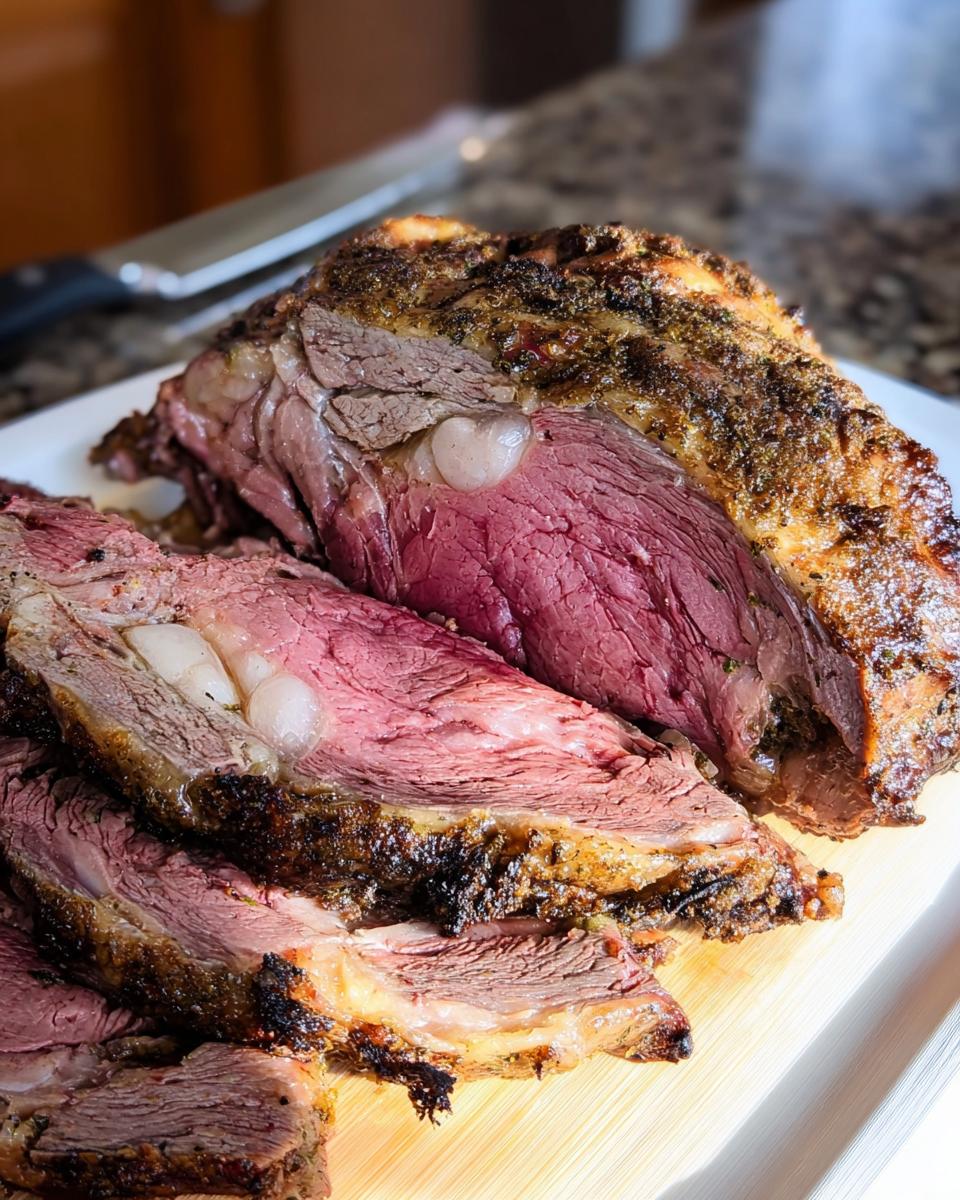
Now, substitutions! Since the flavor profile here is focused on garlic and pepper, we don’t want to muddy the waters. But if you happen to be totally out of onion powder (oops!), you can substitute 1 tablespoon of dried, very finely crushed dried thyme leaves instead. It adds a different kind of earthy note, but it blends nicely with the beef fat and is certainly better than skipping the seasoning entirely. We love these easy wins, which you can find more of over at my quick ingredient ideas post!
Remember, this roast shines because of how you treat it before it enters the roaster; focus there, and the ingredients will cooperate beautifully.
Serving Suggestions for Your Perfectly Cooked Prime Rib
That tender, glorious prime rib deserves neighbors that shine just as brightly on the table! Since the roaster oven kept our main oven clear, we definitely have space for some amazing sides, right? Keep things classic but flavorful. I always pair a rich roast like this with creamy, fluffy mashed potatoes—they are perfect for soaking up any extra juices.
Next up, you need a little green to cut through that richness. Roasted asparagus tossed simply with lemon and olive oil is divine and cooks up super fast. You can find some overall inspiration for full meal planning, including some great dinner ideas here, but honestly, pairing these two simple sides with your perfect roast feels like the height of celebration without any drama!
Storing and Reheating Leftover Prime Rib in a Roaster Oven Meal
First off, if you have leftovers, you’re in luck! That perfectly cooked meat is wonderful the next day. Store any leftover prime rib tightly wrapped in plastic wrap, then in an airtight container, and pop it in the fridge. It should keep beautifully for about three to four days. Don’t let it sit longer than that, even though it’s tempting!
When you reheat, please do not try to microwave a giant hunk of it—that just defeats the purpose of using the roaster oven for tenderness! Slice the leftover meat thinly first. Then, place those slices in a baking dish. Add just a splash of broth or water to the bottom of the dish—maybe an eighth of an inch. Cover it tightly with foil and heat it gently in your regular oven at only 300 degrees F, until just warmed through. This gentle process keeps that precious tenderness intact!
For quick weekday dinners later, check out my meal prep friendly dinner ideas for inspiration on using up those slices fast!
Questions About Making Prime Rib in a Roaster Oven
It’s natural to have a few head-scratchers when you try a new method for a big, special roast like this! Don’t stress about it. The roaster oven is forgiving, but it’s different than your standard oven. I’ve gathered the most common questions I hear about making Prime Rib in a Roaster Oven — Even, Tender, Simple, and I hope they clear things up so you can relax and enjoy the process!
Can I use a different cut of beef, like a Sirloin Tip Roast?
That’s a great question since prime rib can be expensive! While this recipe is *specifically* tuned for prime rib because of its fat cap and marbling, which help it handle the dry heat, you can certainly try other large roasts. However, you must pay even closer attention to the Internal Temperature. Cuts like a top round will be much leaner, meaning they can dry out faster. If you use a leaner cut, I actually recommend dropping the initial high-heat blast slightly and relying more heavily on that Prime Rib Temperature Chart to pull it earlier—aiming strictly for rare, around 115°F, if possible!
Why is my roast taking longer than expected?
This usually comes down to two things, and neither is a disaster! First, did you really let that roast come up to room temperature? Letting it sit out for two hours after refrigeration is crucial; if it’s too cold inside, the cooking time extends quite a bit. Second, every single roaster oven runs differently. They aren’t calibrated the same way! That’s why time per pound is only a guide. You absolutely must trust your meat thermometer over the clock. If it’s not at 125°F for that perfect Medium Rare Prime Rib yet, just keep it going at 350°F!
What is the best way to make au jus without liquid in the roaster?
This is the #1 question, because if you don’t add liquid, where does the flavor come from, right? Since we skip the liquid to get that amazing crust, we have to make the au jus separately. It’s incredibly simple! After you’ve rested the roast and scraped up any brown, delicious bits (fond) from the bottom of the pan where the butter landed before you removed the roast, just pour in about two cups of hot beef broth. Scrape everything off vigorously until it dissolves into a rich liquid. Simmer that on the stovetop for ten minutes, season it, and boom—perfect, clear au jus!
How critical is the 24-hour dry seasoning time?
I won’t lie; it’s not mandatory, but wow, does it make a difference! If you are in a huge rush, skipping it means you rely mainly on the surface paste for flavor. But if you can spare the day, seasoning uncovered lets the salt draw out just enough surface moisture. When you roast that, that surface moisture evaporates, leaving behind a more concentrated, richer seasoning layer that caramelizes perfectly. It’s the difference between good and spectacular, but you can certainly manage without if you’re short on time!
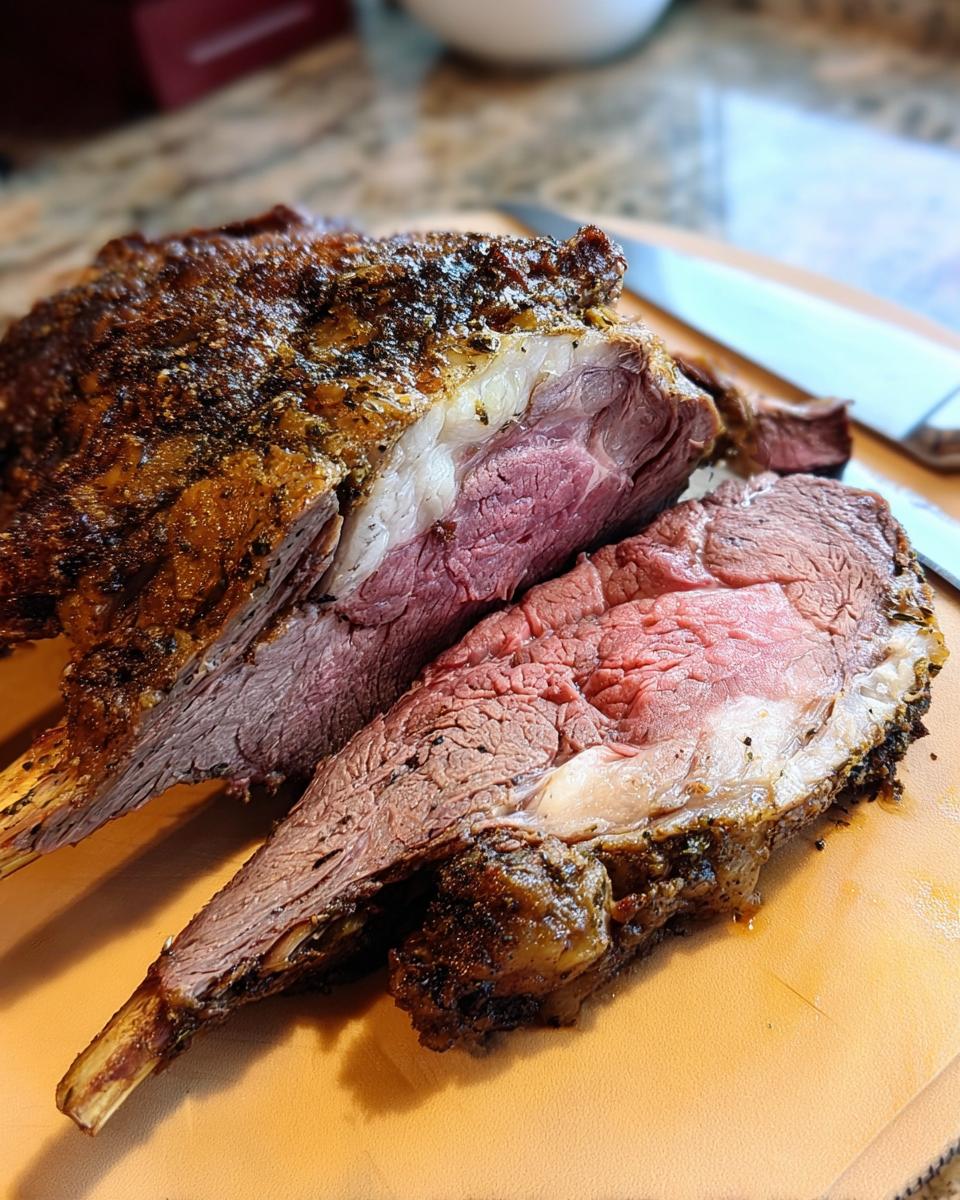
If you are looking for more great recipes that turn everyday meals into special occasions, you can always browse my full collection of fantastic recipes right here. Happy cooking, friend!
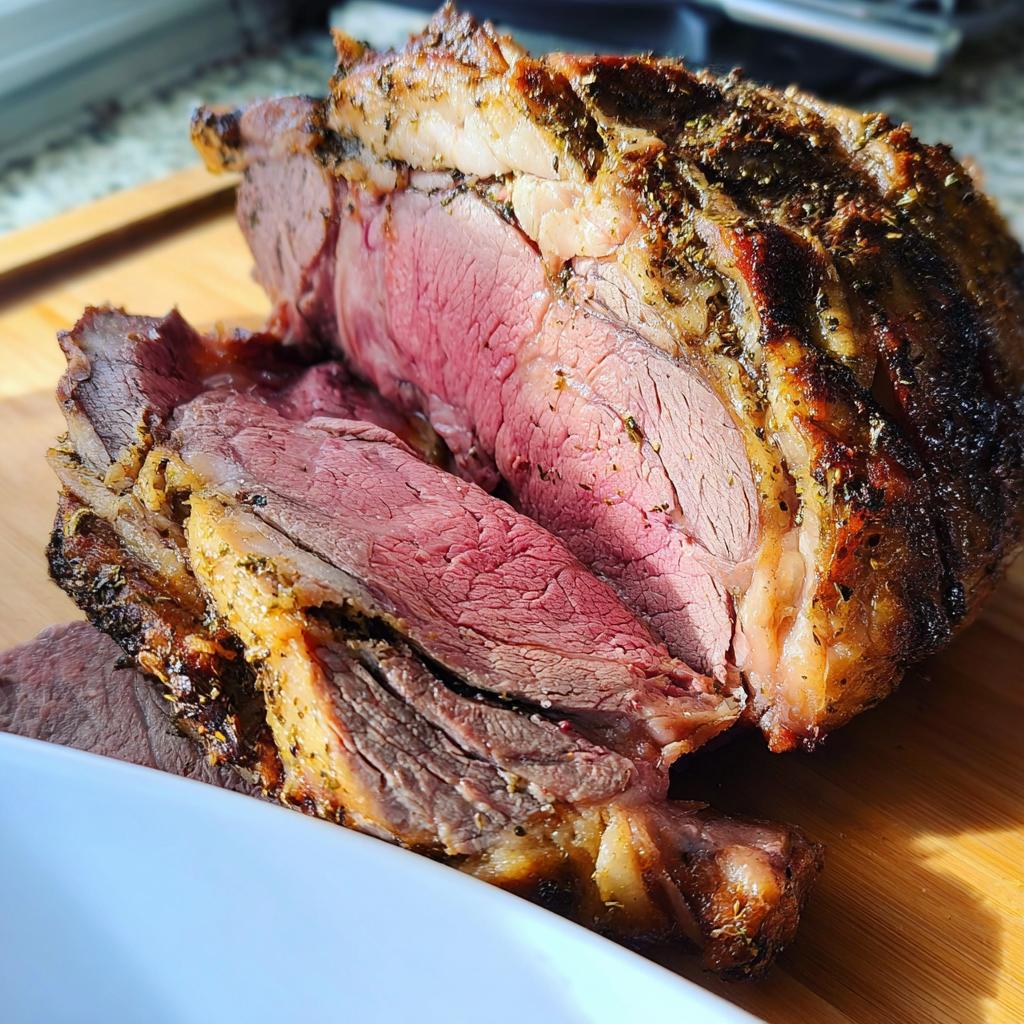
Prime Rib in a Roaster Oven — Even, Tender, Simple
Ingredients
Equipment
Method
- Unwrap the prime rib from its packaging and pat it dry with paper towels. Place the prime rib, fat side up, onto a large rimmed baking sheet.
- Combine the seasoned salt with the black pepper in a medium bowl. Add the softened butter and garlic, mixing well until you have a smooth paste.
- Use your fingers to spread the seasoned garlic butter all over the prime rib roast, pressing it into all the areas.
- If you have time, place the buttered roast into the refrigerator for 24 hours, uncovered. This allows it to season during this resting time.
- When you are ready to cook the roast, remove it from refrigeration and let it rest on the counter, uncovered, for at least 2 hours.
- Preheat your electric roaster to 450 degrees F. (if your roaster only goes as high as 425 degrees F, use that temperature). Place the rack into the bottom of the roaster.
- After 10-12 minutes, the roaster should be preheated. Place the prepared prime rib roast onto the cooking rack.
- Cover the roaster with the lid. Cook the prime rib roast on high (425-450°F) for 25-30 minutes, or until the exterior of the beef is deep golden brown.
- Reduce the roaster temperature to 350 degrees F. Continue cooking the prime rib for 10-12 minutes per pound, or until it reaches 125 degrees F. at the center. This will take about 2 more hours. Cooking time will vary depending on your electric roaster.
- Remove the prime rib from the roaster and place it onto a large cutting board. Cover the prime rib with foil and let it rest for at least 15-30 minutes.
Notes
Tried this recipe?
Let us know how it was!
Mindfulness & Emotional Wellness Specialist
I never thought I’d leave my career as a corporate litigation attorney, but a panic attack in a courthouse bathroom changed everything. After struggling with emotional eating for over a decade—starting in college and getting worse through the stress of law school—I realized that no diet could fix what was really going on inside me.
My breakthrough came through mindfulness meditation training. Working with Jon Kabat-Zinn’s protocols, I discovered that my relationship with food reflected deeper patterns of anxiety and perfectionism that I’d been avoiding for years. That’s when I understood that sustainable eating changes require internal transformation, not just external rules.
Now I treat meal preparation as meditation practice. My “Mindful Kitchen” workshops help people transform ordinary cooking into opportunities for self-awareness and emotional healing. I’ve developed over 180 recipes designed for slow, mindful preparation—complex enough to keep you present, simple enough not to overwhelm your nervous system.
I believe food becomes medicine when we approach it with presence rather than reactivity. The kitchen can be our monastery if we choose to enter it with reverence.