
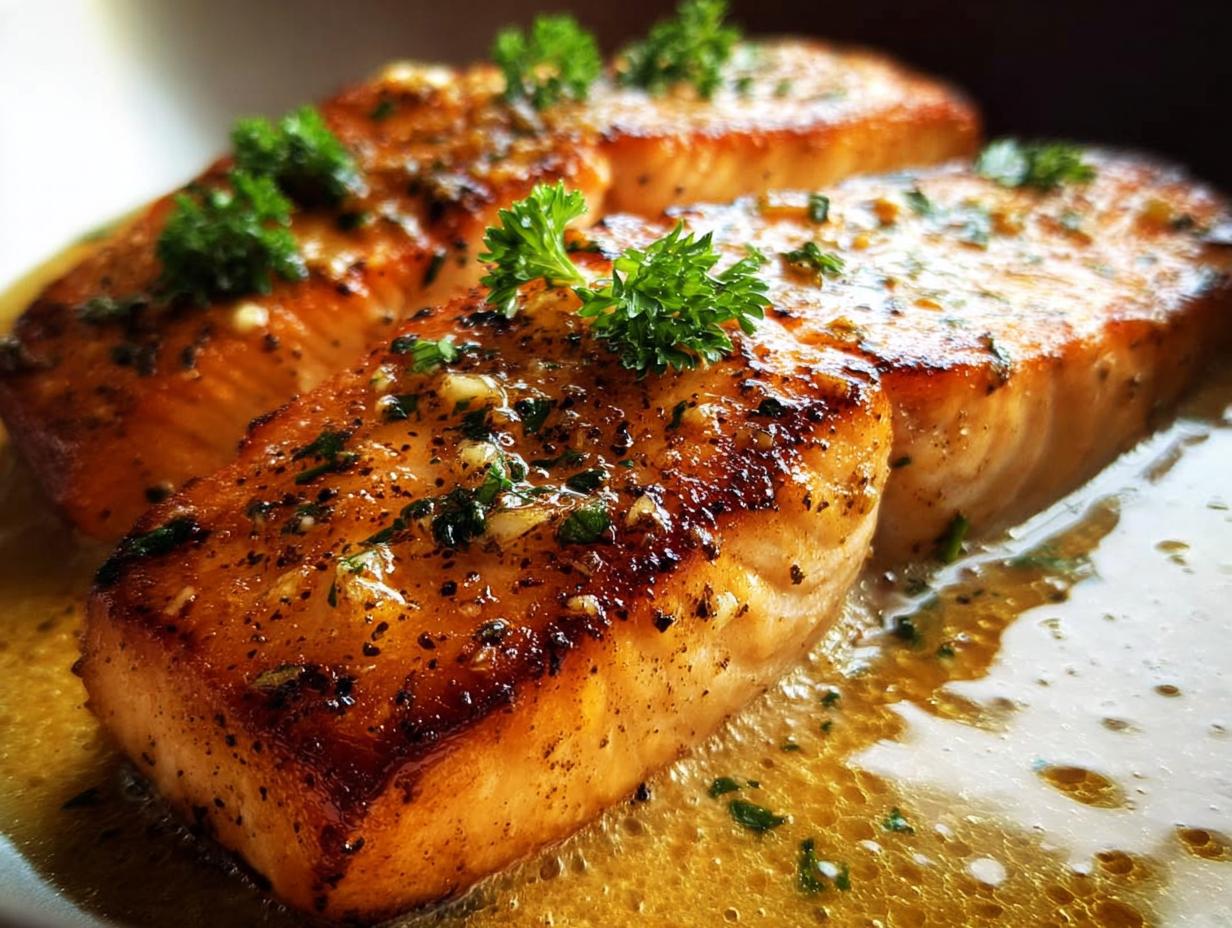
There’s just something so satisfying about a perfectly cooked piece of salmon, right? That flaky texture, that rich flavor… it feels like a real treat. But who says you have to go out to a fancy restaurant to get it? Honestly, my *absolute* favorite thing is recreating those amazing meals right in my own kitchen. I still remember the first time I tried making a restaurant-style salmon dish at home. I was hooked! It was this rainy evening, and I saw this gorgeous, seared salmon with a vibrant green sauce on TV. So, I grabbed my skillet and a few things from the fridge, and wow – it came out *so* good! That experience totally changed how I thought about cooking at home. It’s why I’m so excited to share these Restaurant-Style Salmon Recipes at Home (2025) with you. You’re going to love how simple it is to get that gourmet restaurant feel, no reservation needed!
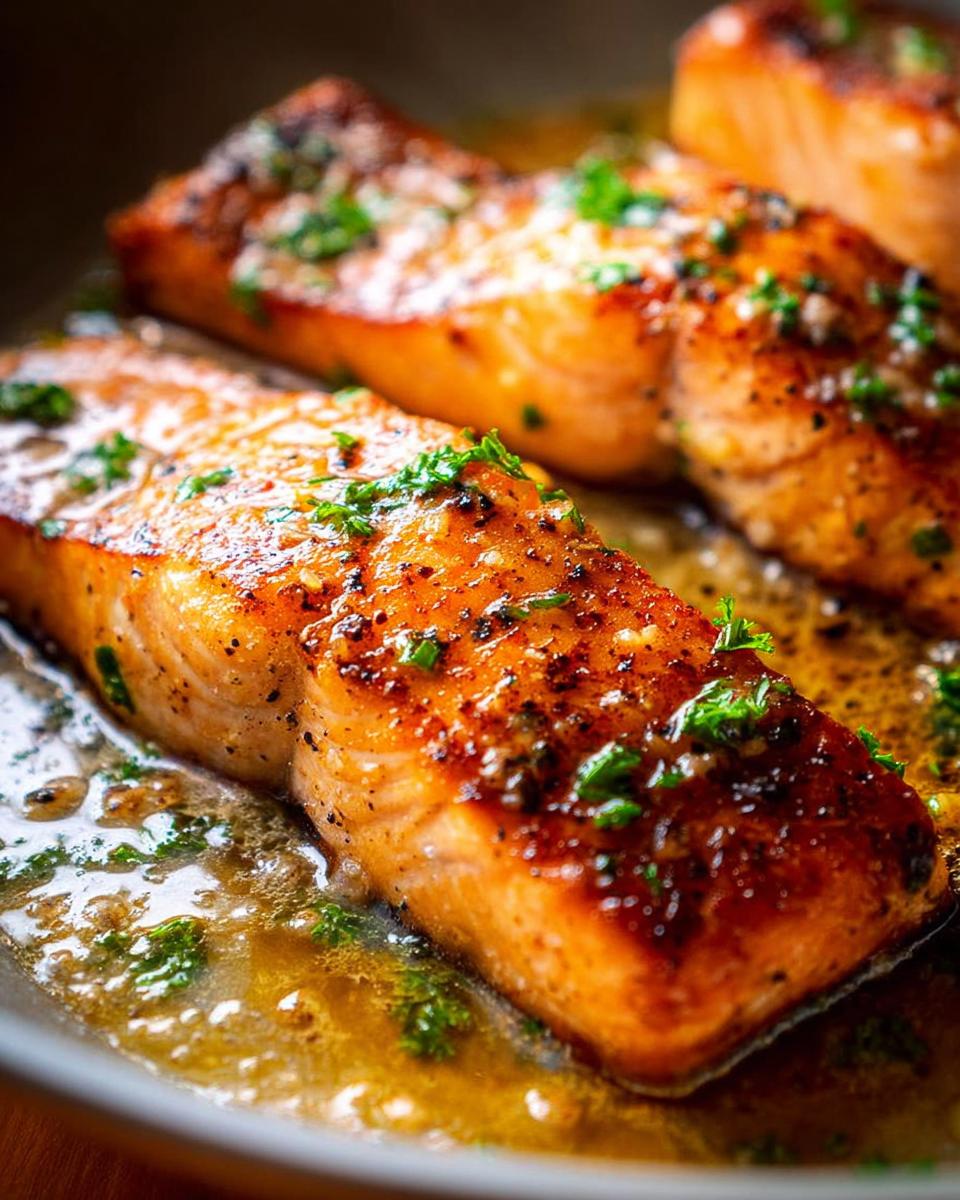
Why You’ll Love These Restaurant-Style Salmon Recipes at Home (2025)
Seriously, what’s not to adore about this recipe? It’s your ticket to amazing salmon without the fuss or the bill. Here’s the lowdown on why you’ll be making this again and again:
- Super Speedy: We’re talking minutes here, folks! Perfect for those weeknights when you need dinner on the table fast but still want something special.
- Restaurant-Worthy Flavor: That seared crust and buttery sauce? Pure magic. It tastes like you splurged, but you did it yourself!
- Healthy & Hearty: Salmon is packed with those good omega-3s, making this a meal you can feel really good about. Healthy *and* delicious – my favorite combo!
- Impressive & Easy: You’ll feel like a total pro chef, but trust me, it’s incredibly straightforward. Perfect for date nights or when you want to wow your friends.
These Restaurant-Style Salmon Recipes at Home (2025) are a game-changer for sure!
Gather Your Ingredients for Restaurant-Style Salmon
Okay, let’s get our mise en place ready! To whip up these amazing Restaurant-Style Salmon Recipes at Home (2025), you’ll need just a few things. Don’t worry, it’s all pretty standard stuff you might already have!
First, grab your star: 4 salmon fillets, about 180g or 6oz each. Make sure they’re nice and skinless, boneless. We’ll also need some basic seasonings – 1/2 tsp of cooking or kosher salt and 1/4 tsp of fresh black pepper.
For that killer butter sauce, you’ll want 1 1/2 tbsp of good olive oil, about 1 tbsp of garlic (that’s maybe 2 cloves, all finely minced up!), and a generous 6 tbsp of salted butter, cut into cubes. Gotta have that butter! And to finish it off, a squeeze of fresh lemon juice (about 1 tsp, but you can add more if you love that zing!) and 2 tsp of fresh, finely chopped parsley for a pretty pop of green.
Mastering the Art of Restaurant-Style Salmon Recipes at Home (2025)
Alright, this is where the magic really happens! Trust me, getting that restaurant-quality salmon at home is way easier than you think. It’s all about a few key steps, paying attention to timing, and creating that gorgeous butter sauce. Let’s dive into how you’ll rock these Restaurant-Style Salmon Recipes at Home (2025)! You can find more inspiration like this at RecipeTin Eats, and while you’re at it, check out this Garlic Butter Salmon with Asparagus for another fantastic option.
Step 1: Preparing the Salmon
First things first, grab your beautiful salmon fillets from the fridge about 30 minutes before you plan to cook. Letting them come to room temp helps them cook more evenly! Then, give them a good pat dry with a paper towel – this is crucial for a good sear. Sprinkle both sides generously with salt and pepper.
Step 2: Achieving the Perfect Sear
Now, heat up your non-stick skillet over medium-high heat. You want it nice and hot, but not smoking. Drizzle in that olive oil. Carefully place your salmon fillets presentation-side down first. Let them sizzle and get beautifully golden brown for about 3 minutes. Don’t move them around too much! Once they have a gorgeous crust, carefully flip them over.
Step 3: Crafting the Luscious Butter Sauce
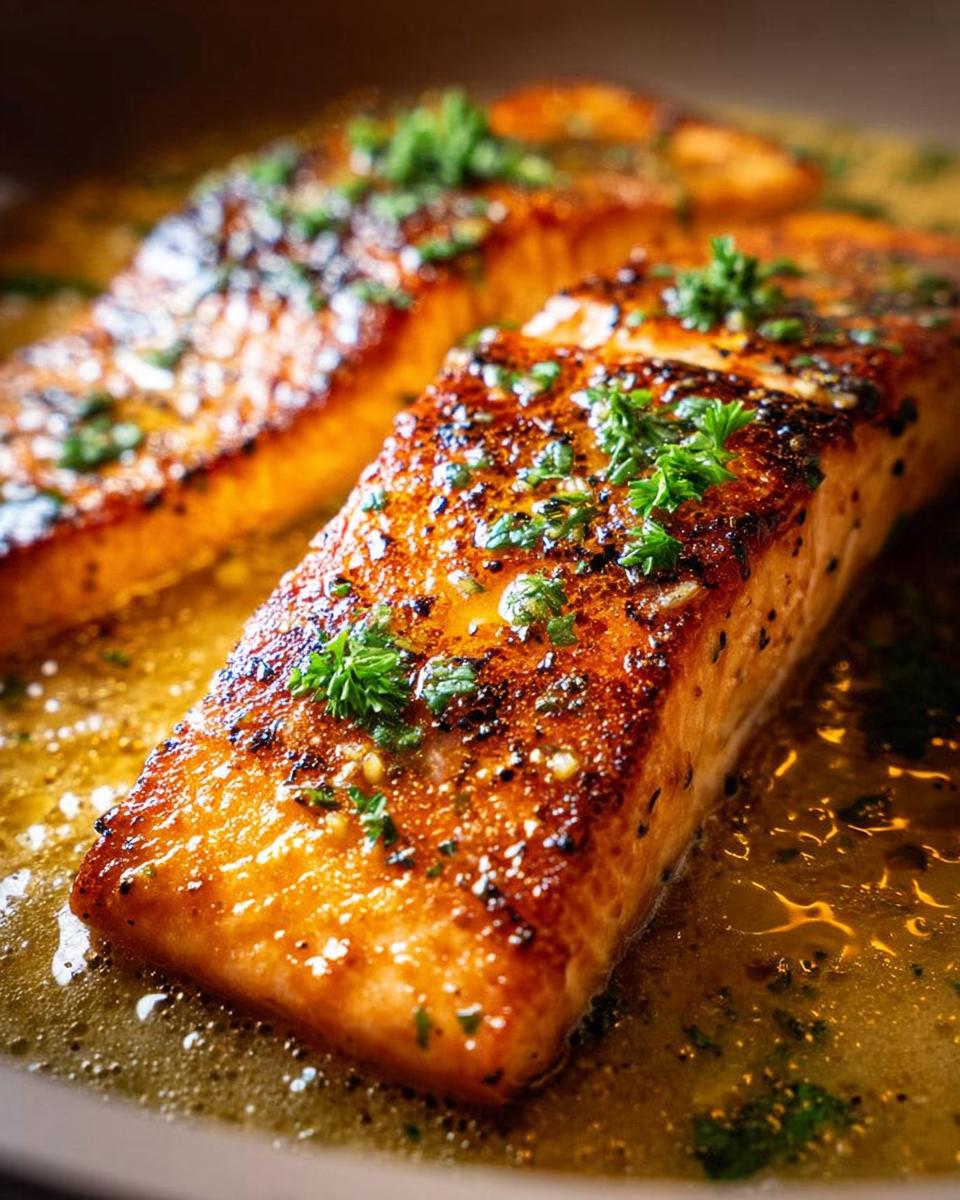
As soon as you flip the salmon, let that second side cook for just about 1 minute. Then, add those cubes of butter to the pan. Watch them melt and start to foam! Now, here’s the secret: immediately start spooning that bubbling butter mixture continuously over the salmon. Tilt the pan slightly to collect the butter, and keep basting for another 1.5 minutes. Toss in the minced garlic with the butter – it’ll get fragrant and infuse the sauce. This basting is what gives the salmon an amazing flavor and keeps it super moist!
Step 4: Resting and Finishing
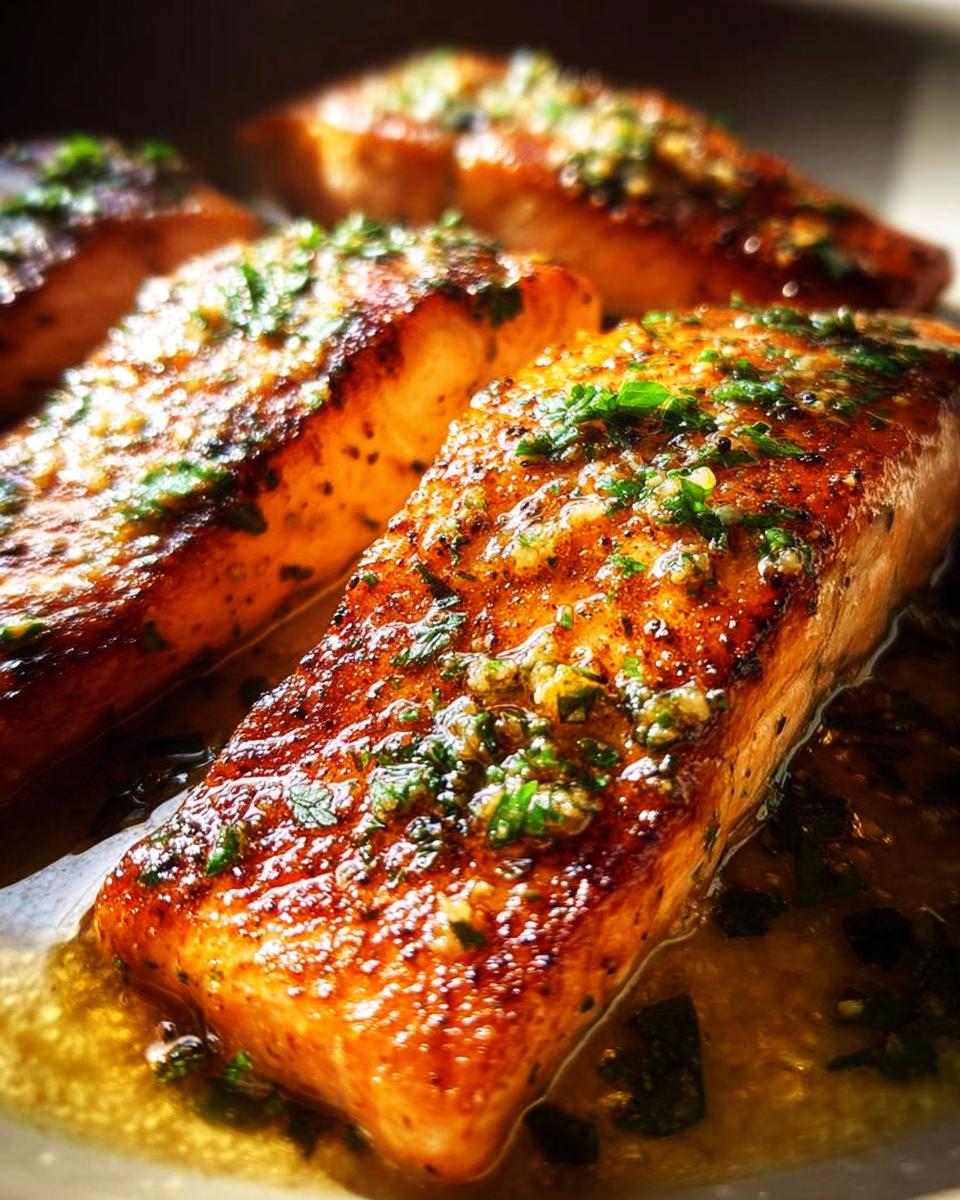
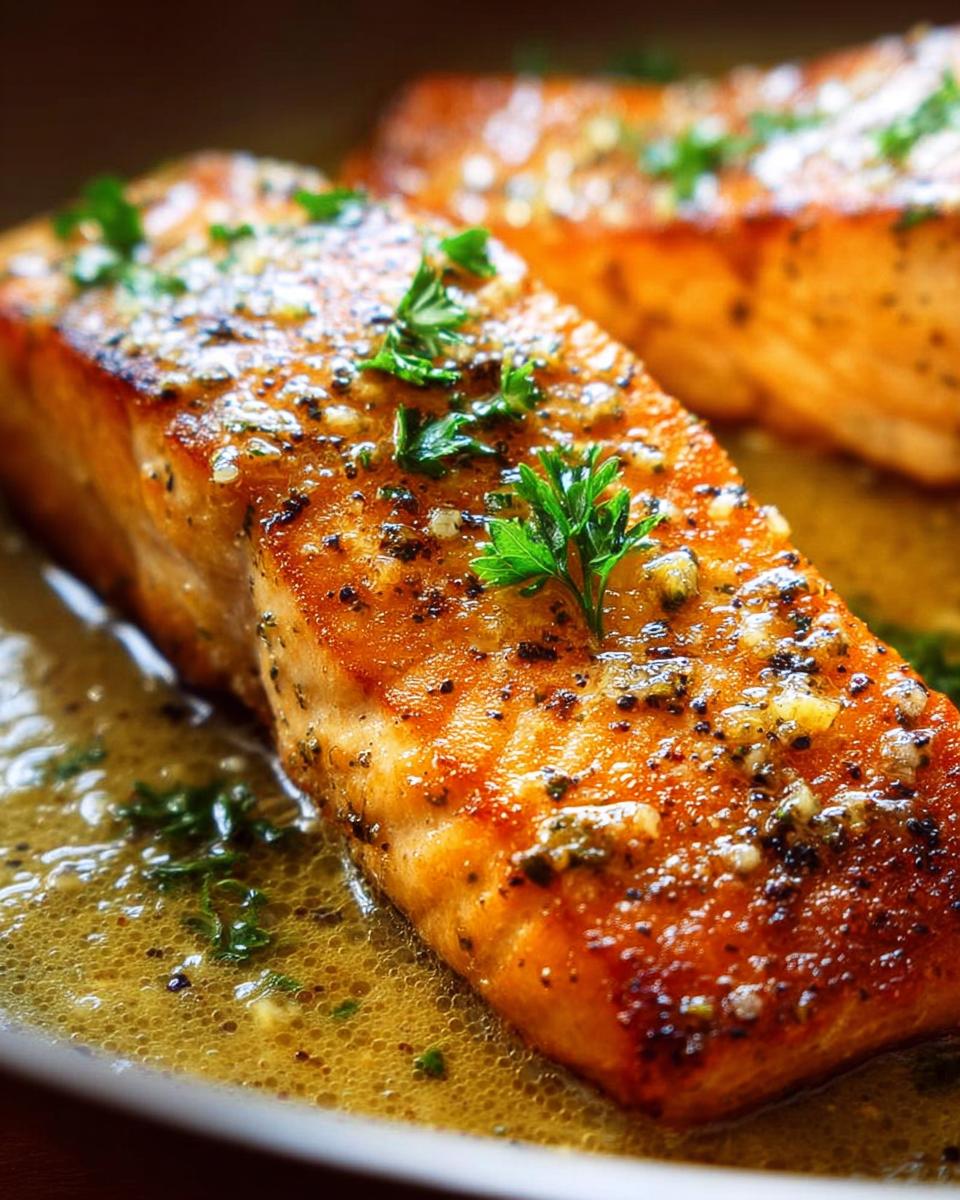
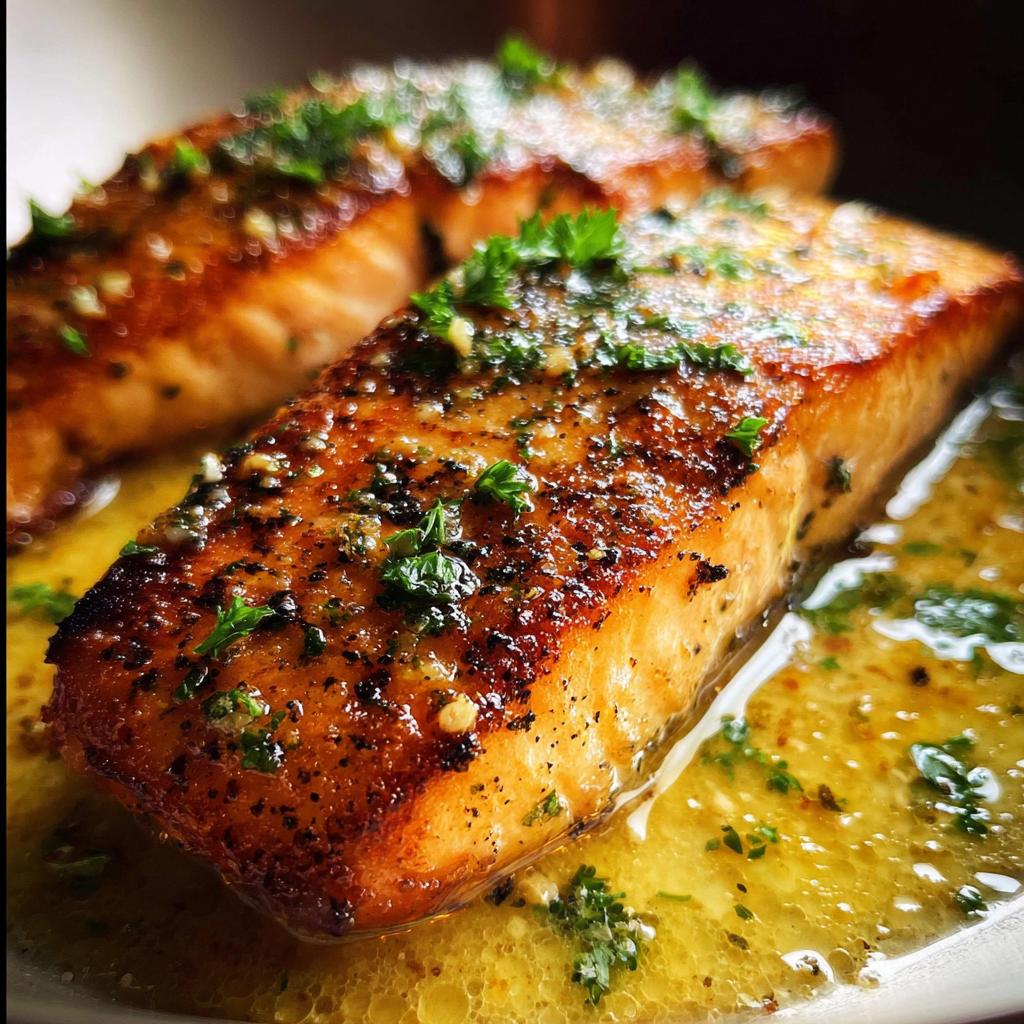
Once you’ve basted enough, check the salmon. For a perfect medium-rare, you’re looking for an internal temperature around 50°C or 122°F. Gently transfer the salmon to a plate and let it rest for about 3 minutes. This is super important – it lets the juices redistribute, making the fish even more tender. While it rests, pop the pan (off the heat!) back on the burner just to keep the butter warm. Stir in your lemon juice, and get ready to serve! Pop the salmon onto your plates and spoon that glorious, garlicky butter sauce all over the top. Finish with a sprinkle of fresh parsley for a bright, fresh touch. You’ve just made restaurant-quality salmon at home!
Tips for Restaurant-Quality Salmon Every Time
Okay, so you’ve nailed the basic steps, but how do you make sure every single salmon fillet turns out *chef’s kiss* perfect? It’s all about those little tricks that elevate your cooking! First off, when you’re picking out your salmon, look for fillets that are a nice, vibrant pink color. They should feel firm to the touch – that’s a sign of freshness. And honestly, going for wild-caught when you can really makes a difference in flavor!
Pan temperature is HUGE. If your pan isn’t hot enough, you’ll get steamed salmon, not that gorgeous, crispy sear we’re after. So, make sure that oil is shimmering before the fish hits the pan! Trust me on this. Another little secret? Don’t be afraid to experiment with your butter sauce. Maybe add a pinch of red pepper flakes for a touch of heat, or swap in fresh dill instead of parsley for a different vibe. You could even try a really good Creamy Tuscan Salmon sometime! And if you’re in a pinch for time and want crispy edges, an Air Fryer Salmon is a lifesaver.
Ingredient Notes and Substitutions for Your Salmon Recipe
Let’s talk about the ingredients for a sec! The recipe calls for salted butter, and honestly, it gives that sauce a little extra something-something. But if you only have unsalted butter on hand, no biggie! Just add that extra 1/4 tsp of salt along with it. You know your salt preference best, so feel free to adjust!
And the parsley? It’s gorgeous and fresh, but if you’re out, don’t sweat it! Fresh dill or chives work wonderfully too, offering a slightly different, but equally delicious, herby kick. You could even try a mix! For more fun with herbs and butter on salmon, check out this Herb Butter Salmon Foil Pack recipe. It’s another fantastic way to get that delicious flavor!
Serving Suggestions for Restaurant-Style Salmon
Now that you’ve got this gorgeous restaurant-quality salmon, what do you serve it with? To really make it feel like a special occasion, think about sides that complement that rich, buttery flavor. A classic pairing is always a winner, like my Roasted Asparagus with Parmesan – that bit of saltiness and crunch is perfect. Or, if you’re feeling a bit fancy, some creamy Duchess Potatoes would be absolutely divine. Honestly, even a simple side salad with a light vinaigrette lets that salmon really shine!
Frequently Asked Questions About Restaurant-Style Salmon Recipes at Home (2025)
Got questions about making these amazing Restaurant-Style Salmon Recipes at Home (2025)? I’ve got you covered! Here are some common things folks wonder about. For more ideas on salmon, check out a Soy Ginger Salmon or these tasty Teriyaki Salmon Bowls.
Can I use skin-on salmon fillets?
Oh, absolutely! If you love that crispy skin, just start by searing the skin-side down first in the hot skillet. You’ll get an even crispier texture, and the oil will help lift it right off the pan when it’s done. It’s a delicious variation!
What temperature should the salmon be?
For that perfect medium-rare, aim for an internal temperature of around 50°C (122°F) when you take it off the heat. Remember, it will keep cooking a bit while it rests, bringing it up to about 53°C (127°F). If you like it more done, just cook it a minute or two longer.
How do I prevent the salmon from sticking?
The key is a hot pan with properly heated oil before the salmon goes in! Also, make sure your salmon is patted dry. If you’re using a good non-stick skillet, it should be pretty minimal. If you ever have trouble, a little extra oil or a tiny bit more butter can help grease the skillet between batches.
Estimated Nutritional Information
Just so you know, this is a ballpark figure, okay? Cooking is an art, and everyone’s ingredients can be a little different! For one fillet of this gorgeous salmon, you’re looking at roughly 464 calories. It’s got about 36g of protein and 35g of fat (hello, healthy omega-3s!). Carbohydrates are super low, just around 1g. It’s a fantastic, healthy option that truly delivers on flavor. For more healthy ideas, check out this list of low-carb meals!
Share Your Restaurant-Style Salmon Creations!
Okay, fam, you’ve made the magic happen! Now I want to hear all about it! Did you whip up these restaurant-style salmon fillets for a special occasion, or just because? Drop a comment below and tell me how it turned out! If you’re feeling adventurous, share a pic on social media and tag me – I’d absolutely LOVE to see your gorgeous creations. You can always reach out via my contact page too!
Restaurant-Style Salmon Recipes at Home (2025)
Ingredients
Equipment
Method
- Take salmon out of the fridge 30 minutes before cooking. Sprinkle both sides with salt and pepper.
- Heat oil in a large non-stick skillet over medium-high heat. Add salmon, presentation side down, and cook for 3 minutes until golden.
- Turn the salmon and cook the other side for 1 minute. Then, add the butter to the pan.
- Once the butter is melted and foaming, add the garlic. Immediately start spooning the bubbling butter continuously over the salmon for 1 1/2 minutes. Tilt the pan slightly to pool the butter, and use a large spoon to scoop and spoon it over the salmon.
- Check the internal temperature of the salmon. For medium-rare, aim for 50°C/122°F. Remove the salmon to a plate and let it rest for 3 minutes. The temperature will rise to 53°C/127°F.
- Place the pan back on the unlit stove to keep the butter warm. Add the lemon juice to the butter.
- Serve the salmon on plates. Spoon the butter sauce over the salmon, and garnish with chopped parsley.
Nutrition
Notes
Tried this recipe?
Let us know how it was!
Dual-Restriction Recipe Engineer & Cross-Contamination Specialist
Everything changed when my teenage son got hit with celiac disease and Type 1 diabetes diagnoses within six months of each other. Suddenly, pizza and pasta were off the table, and most “diabetic-friendly” foods contained gluten. I went from regular mom cooking to navigating what I call “compound restriction cooking”—and I had a kid’s appetite and taste buds to satisfy.
Lucky for us, my background in pharmaceutical quality control gave me the systematic mindset this level of precision requires. My kitchen now operates under pharmaceutical-grade protocols adapted for home use: dedicated prep surfaces, separate storage systems, and testing procedures that verify both carb counts and gluten absence before any recipe gets published.
I’ve developed over 220 recipes that clear multiple dietary hurdles simultaneously—finding gluten-free thickeners that don’t spike blood sugar, creating bread alternatives that meet both keto ratios and celiac safety, and developing desserts that actually taste good to a teenager despite impossible restrictions.
Through my “Safe Kitchen Certification” program, I teach other parents that managing multiple dietary restrictions isn’t about multiplying limitations—it’s about systematic thinking that reveals unexpected possibilities. When you engineer solutions instead of making compromises, restriction becomes innovation rather than deprivation.